
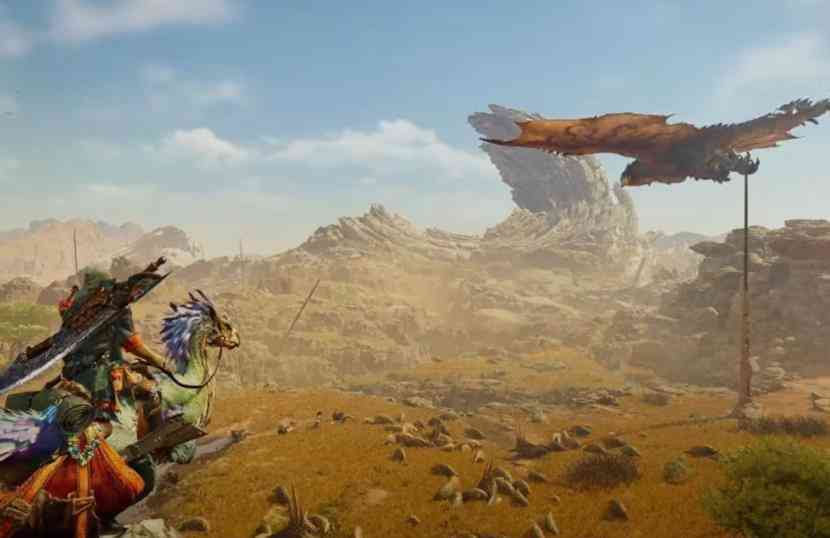
Monster Hunter Wilds represents a major step forward for Capcom’s long-running action-hunting franchise. Building on the massive global success of Monster Hunter: World (2018) and Monster Hunter Rise (2021), Wilds aims to deliver the most immersive and dynamic hunting experience the series has ever offered. With its evolving open environments, seamless transitions between biomes, reworked monster behavior, and improved multiplayer integration, Wilds is designed as both a welcoming entry point for newcomers and a deep, rewarding challenge for returning hunters.
However, Monster Hunter games are famously dense. For beginners, the sheer amount of information — 14 weapon types, dozens of systems, crafting, armor skills, item management, environmental interactions, monster patterns, and multiplayer etiquette — can feel overwhelming. Wilds adds even more layers with weather systems, territory control, new mounts, enhanced AI, and complex ecosystem interactions.
This comprehensive beginner’s guide breaks down everything a new hunter needs to know before stepping into the dangerous but spectacular world of Monster Hunter Wilds. Whether you’re completely new to the franchise or transitioning from a previous title, this guide will help you understand the fundamentals, choose your weapon, prepare for your first hunts, and begin your journey with confidence.
Understanding the Core Loop
At its heart, Monster Hunter Wilds is built on a fairly simple, highly satisfying gameplay loop:
Track → Hunt → Carve → Craft → Upgrade → Hunt Stronger Monsters
Every system in the game reinforces this loop. You defeat monsters and gather resources; those resources become better weapons and armor; better gear lets you take on even deadlier monsters; and the cycle continues.
Although Wilds offers a more fluid open-zone experience, the core progression philosophy remains the same:
knowledge, preparation, and skill matter more than brute force.
Before diving into weapons or hunts, it’s important to internalize this loop—it’s the backbone of the entire game.
Getting Started with the Hunter Hub
When the game begins, you’ll be introduced to the Hunter Hub—your main base of operations. Here you will:
- craft and upgrade weapons
- forge armor
- take quests and expeditions
- interact with NPCs
- manage inventory and loadouts
- visit the training grounds
- accept multiplayer quests
While the layout changes depending on the region, the functions remain consistent. Spend time familiarizing yourself with each station in the hub; doing so early prevents confusion later when the game becomes more demanding.
Choosing Your First Weapon
One of the most defining decisions you’ll make as a beginner is choosing a weapon. Monster Hunter Wilds offers over a dozen weapon types, each with unique mechanics, combos, and roles. While all weapons are viable, some are significantly more approachable for beginners.
Below is an overview of weapon categories and suggestions for first-timers.
Beginner-Friendly Weapons
Long Sword
Smooth combos, strong reach, and stylish counter mechanics. Its Spirit Gauge system encourages steady offense without overwhelming complexity.
Sword & Shield
Fast, mobile, and incredibly versatile. Its ability to use items without sheathing your weapon makes it perfect for newer hunters who want safety and utility.
Great Sword
Slow but heavy-hitting. Perfect for players who enjoy deliberate, high-impact combat and learning monster attack patterns.
Moderate Difficulty Weapons
Dual Blades
High-speed, aggressive, and stamina-dependent. Ideal for players who like fast gameplay but require good positioning.
Hammer
Excellent blunt damage and stunning power. Great against monsters with hard heads but requires close combat commitment.
Lance & Gunlance
Exceptional defense mixed with precise offense. Heavy and slower but extremely safe if played well.
Advanced Weapons (For Experienced or Ambitious Beginners)
Charge Blade
Complex phial, shield, and sword management. Very powerful but requires understanding of multiple systems.
Switch Axe
Strong morphing mechanics and resource management, excellent late-game scaling.
Insect Glaive
Airborne combat and kinsect management make it flashy but demanding.
If you’re completely new, it’s recommended to visit the Training Grounds and test a few weapons before committing. The right weapon can significantly shape your experience, so choose something that feels intuitive and enjoyable.
Understanding the Open Zones and Ecosystem
Unlike older Monster Hunter titles with segmented areas, Wilds presents expansive open-world-like zones filled with creatures, weather systems, migrating monsters, and dynamic environmental hazards.
Key Ecosystem Features
Monster Territories
Large monsters claim specific regions. Crossing into these zones can trigger turf wars—spectacular battles between rival monsters that can change the outcome of your hunt.
Weather and Climate Cycles
Storms, sandstorms, extreme heat, and cold can affect visibility, stamina, or monster behavior. In some cases, entirely new monsters appear only during certain weather conditions.
Resource Density
Plants, minerals, and endemic life are scattered naturally, encouraging exploration. High-value materials often appear in dangerous or remote spots.
Predator–Prey Behavior
Smaller monsters may flee from apex predators, while scavenger species may arrive mid-hunt to steal scraps—or attack you while distracted.
What This Means for Beginners
- You must stay aware of your surroundings, not just the monster you’re chasing.
- Use the environment strategically; ledges, caves, and choke points can give you an advantage.
- Pay attention to weather warnings—extreme conditions can hinder your stamina or increase monster aggression.
- Look out for natural traps like collapsing rock arches, mud pits, and hazardous plant life.
Tracking Monsters and Understanding Their Behavior
Tracking plays a central role in Wilds, but it’s more organic than previous games. Instead of glowing scoutflies, you now rely on visual cues, tracks, footprints, claw marks, and disturbed wildlife.
Signs a Monster Is Nearby
- deep footprints
- broken trees or upturned ground
- claw marks
- swarms of smaller animals fleeing
- distant roars or tremors
Monsters also have behavioral phases:
Neutral Behavior
The monster is roaming and feeding. Good time to sneak in for an ambush.
Aggressive Behavior
Triggered by intrusion or hunger. Monster becomes more active and dangerous.
Enraged Phase
A damage-triggered burst mode where attacks become faster and more lethal.
Fatigue and Wounded Phase
Later in the fight, monsters slow down, limp, or begin returning to their nests.
Understanding these phases helps you predict attacks, time your combos, and manage stamina effectively.
Combat Essentials for New Hunters
Combat in Monster Hunter Wilds is a dance of timing, positioning, and situational awareness. New players often struggle because they approach it like conventional action games—spamming attacks or dodges. Monster Hunter demands a more thoughtful approach.
Core Combat Principles
Know Your Openings
Each monster has safe windows after specific attacks. Learn them instead of attacking constantly.
Positioning Is Everything
Side-step rather than back-step; flanking generally keeps you safer.
Don’t Get Greedy
Overextending is the fastest way to cart. It’s better to land a few hits safely than to get knocked out while being reckless.
Track Your Stamina
Dodging, sprinting, and certain weapon attacks rely heavily on stamina. Manage it carefully to avoid emergencies.
Use Wirebug-Style Movement (if available)
Mobility tools help reposition quickly, escape deadly situations, or pursue monsters rapidly.
Gear Progression and Crafting Strategy
Crafting is the backbone of your survival. Without upgraded gear, monsters will quickly overwhelm you.
Weapons
Weapon upgrades branch across multiple trees. Early on, avoid spreading materials across too many weapon types. Focus on:
- one main weapon
- one secondary backup if desired
Look at element paths—monsters have elemental weaknesses that can turn the tide in hunts.
Armor
Armor pieces have skills that drastically influence gameplay, such as:
- stamina management
- attack boosts
- elemental resistances
- evasion buffs
- sharpening speed
As a beginner, prioritize survivability and mobility skills over raw damage.
Armor Skills That Help Beginners
- Evade Window
- Evade Extender
- Defense Boost
- Health Boost
- Stamina Surge
- Recovery Up
Once you become comfortable, you can transition to offense-oriented sets.
Effective Item Use and Loadout Management
Items often spell the difference between victory and carting. Every hunter should master:
Healing Items
Potions, Mega Potions, and Herbal Remedies.
Buff Items
Demondrug and Armorskin provide permanent buffs during hunts.
Traps and Bombs
Pitfall and Shock Traps help with capture hunts or interrupting dangerous monster phases.
Consumables for Environment
Cool drinks, hot drinks, or similar items (depending on biome) ensure you don’t lose stamina due to climate conditions.
Crafting on the Fly
You can replenish essential items mid-hunt if you picked up materials beforehand.
Good hunters don’t rely only on weapon skills; they use every tool at their disposal.
Understanding Monster Weaknesses and Hit Zones
Every monster has different:
- weak spots
- elemental vulnerabilities
- breakable parts
- resistances
The Hunter’s Notes—your in-game guidebook—updates automatically after encountering each creature. Study it.
Why Hit Zones Matter
Some parts take far more damage than others. For example:
- heads or tails usually take the most damage
- armored legs or wings typically reduce damage
- breaking parts can stop certain attacks altogether
Understanding weak zones allows you to
- reduce hunt time
- stagger monsters more often
- prevent certain dangerous attacks
- obtain rare materials from part breaks
Multiplayer Hunting and Team Etiquette
Monster Hunter Wilds supports seamless co-op. Joining multiplayer hunts significantly eases difficulty—but only if everyone works together.
Basic Multiplayer Etiquette
- Don’t interrupt other players’ combos (especially with knock-back weapons like hammer).
- Focus fire—don’t scatter around the battlefield.
- Use healing items to support the team.
- Communicate using pings or quick-chat if microphones aren’t used.
- Don’t cart repeatedly—prepare properly before joining a hunt.
Multiplayer is one of the strongest aspects of the series, and Wilds makes it more fluid than ever.
Reading Monster Patterns and Tells
One of the key skills new players must develop is pattern recognition. Monsters telegraph their attacks through audio cues, body language, and movement patterns.
Look for:
- muscle contractions before a charge
- inhaling animations before breath attacks
- wing or tail positioning
- glow effects indicating enraged or elemental states
Mastering these tells allows you to dodge consistently, land counterattacks, and predict behavior before it becomes dangerous.
Utilizing the Environment During Hunts
The open zones of Wilds allow players to manipulate the environment far more than in previous entries.
Environmental Advantages
- cliffs and ledges for aerial attacks
- caves for forcing monsters into narrow spaces
- breakable pillars or rockfalls
- mud pits and quicksand
- explosive flora or fauna
- herd behavior among smaller monsters
Smart use of the environment can significantly shorten hunts or rescue you from deadly attacks.
Surviving Your First Large Monster Hunt
Your first real boss-level hunt will feel intimidating, but you can survive if you follow a few basic principles:
- observe the monster before engaging
- don’t attack aggressively until you understand its rhythm
- focus on dodging during its enraged state
- sharpen your weapon frequently
- retreat and heal before you’re in danger
- use traps to create safe damage windows
Patience is key. Every monster is a puzzle—the more data you gather, the easier it becomes.
Early-Game Progression Tips
Here are tips for the first several hours of gameplay:
- Stick to one weapon.
- Craft every armor set from early monsters—each teaches different resistances.
- Upgrade your Palico equipment too.
- Explore zones fully to unlock shortcuts and gathering nodes.
- Always bring healing items and whetstones.
- Capture monsters instead of killing them when possible; it’s faster and often gives better rewards.
Avoiding Common Beginner Mistakes
New hunters frequently make the same mistakes:
- rolling backward instead of sideways
- attacking too aggressively during enraged phases
- forgetting to sharpen weapons
- ignoring stamina management
- entering hunts without proper consumables
- not learning monster tells
- spreading upgrade materials across too many weapons
Awareness of these pitfalls speeds up mastery significantly.
Transitioning Into the Mid-Game
Once you’ve hunted several large monsters, the game opens up with new biomes, tougher apex predators, and build-focused gear.
At this stage:
- start experimenting with different weapon types
- farm specific monsters for skill-focused armor sets
- practice advanced movement and counter techniques
- begin elemental weapon crafting
- upgrade your Palico and mount support tools
Mid-game is where Monster Hunter Wilds truly starts to shine, rewarding creativity and deeper build crafting.
Becoming a True Hunter
Monster Hunter Wilds is a rich, complex, and beautifully challenging experience. Though overwhelming at first, the game becomes deeply rewarding once its systems begin to click. Every hunt teaches something new—about monster behavior, weapon mastery, environmental strategy, or personal combat discipline.
As you progress, you’ll discover:
- smoother dodges
- cleaner combos
- smarter positioning
- deeper gear optimization
- faster hunts
- and a growing sense of mastery
You’re not just fighting monsters—you’re learning an ecosystem, reading behaviors, and becoming part of a world filled with danger and beauty.
If you embrace patience, preparation, and curiosity, you’ll soon evolve from a novice hunter into a master capable of taking down the most fearsome creatures the Forbidden Lands can throw at you.


Leave a Reply