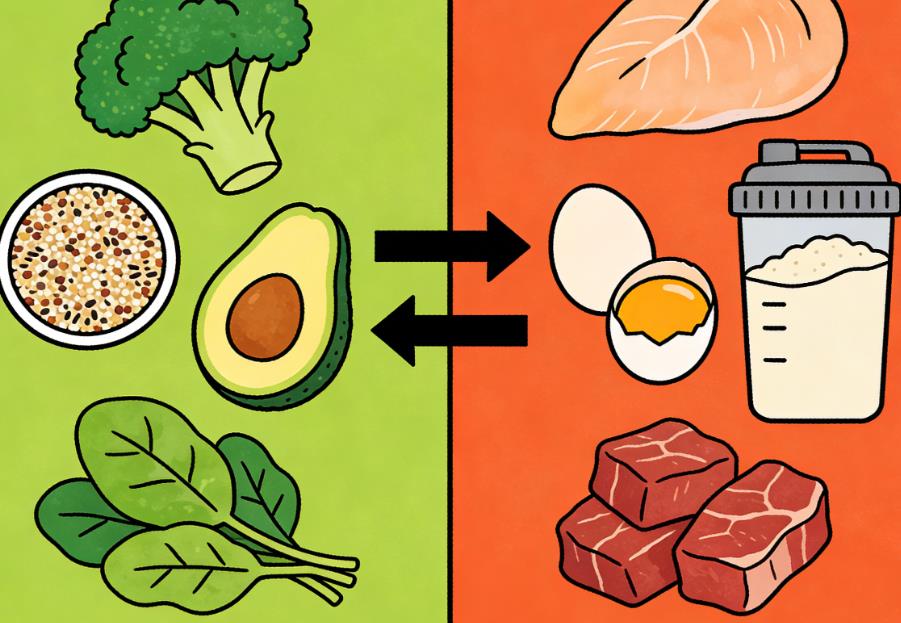
In the contemporary health and fitness landscape, two nutritional strategies dominate discussions around body composition, longevity, and disease prevention: plant-based diets and high-protein diets. Each approach offers compelling benefits, but they also come with limitations that can affect cardiovascular health, fat loss efficiency, and muscle growth potential.
This comprehensive analysis explores the scientific evidence behind these dietary frameworks, focusing on overall health effects, weight management and fat loss, muscle growth and athletic performance, cardiovascular disease risk, and practical implementation strategies for Western populations. The goal is to help clinicians, athletes, and informed consumers understand when one strategy might outperform another based on individual goals and metabolic profiles.
What Defines These Diets?
Plant-Based Diets
A plant-based diet prioritizes foods from plants such as vegetables, fruits, legumes, whole grains, nuts, and seeds, while limiting or excluding animal products. Common subtypes include vegetarian diets, which may include dairy and eggs; vegan diets, which exclude all animal products; whole-food plant-based diets that focus on minimally processed foods; and the Mediterranean diet, which is plant-centric but includes fish and lean meats. Plant-based diets are associated with high fiber, phytochemicals, and lower saturated fat, which collectively contribute to long-term health benefits.
High-Protein Diets
High-protein diets emphasize increased protein intake, often from animal sources such as meat, dairy, and whey, but also from plant proteins like legumes, soy, and pea protein. Protein intake typically ranges from 1.2 grams per kilogram to 2.2 grams per kilogram of body weight or more, depending on activity level and goals. This approach is common in bodybuilding, strength training, low-carb nutritional plans, and weight loss regimens that aim to preserve lean mass. High protein intake is linked to greater satiety, thermogenesis, and muscle preservation during calorie deficits.
Weight Management and Fat Loss
Plant-Based Diets: Lower Energy Density, Higher Satiety
Research suggests plant-based diets are inherently lower in energy density and higher in dietary fiber, which can promote satiety and lower overall calorie intake without the need for conscious restriction. Plant-based diets have been associated with lower body fat percentages in observational studies, greater adherence to calorie goals, and improved insulin sensitivity. Multi-population studies show that plant-centric patterns are more strongly associated with lower body fat than diets low in both plants and protein. The high fiber content also slows digestion and helps regulate blood sugar, which reduces cravings and overeating, making weight management more sustainable.
High-Protein Diets: Thermogenesis and Satiety
High-protein diets increase diet-induced thermogenesis, meaning more calories are burned during digestion. They also enhance satiety, reducing hunger and cravings, and support lean mass preservation during energy deficits. Meta-analyses show that protein intakes ranging from 18% to 59% of total energy contribute significantly to weight loss, often resulting in larger decreases in body weight and fat mass than standard diets. The combination of increased satiety and preservation of lean tissue makes high-protein diets effective for maintaining muscle mass while losing fat.
For fat loss, both higher plant intake and high protein intake can be effective, but the mechanisms differ. Plant-based diets reduce calories passively through fiber and lower energy density, while high-protein approaches actively influence metabolic rate and appetite regulation.
Muscle Growth and Strength Performance
A common belief is that animal-based, high-protein diets are necessary for optimal muscle growth. However, recent evidence nuances this assumption. Animal proteins are highly digestible and contain all essential amino acids, particularly leucine, which is critical for muscle protein synthesis. This historically positioned animal protein as superior for hypertrophy. Recent research shows that plant proteins can support significant muscle growth when total protein intake is matched. Combining complementary plant sources, such as grains and legumes, can provide balanced amino acid profiles. Meta-analyses suggest that when protein intake is adequate, plant-based diets do not inherently limit strength gains.
While some research still finds a small lean mass advantage for animal protein sources under specific conditions, the practical difference for most trainees is minimal when calories and total protein are sufficient. Vegan or vegetarian lifters may need slightly more total protein or strategic supplementation to reach leucine thresholds, but they can achieve comparable strength and hypertrophy outcomes when diet is well-planned.
Cardiovascular Health
Plant-Based Diets: Cardioprotective Evidence
Multiple large cohort studies associate higher plant protein intake with reduced risk of cardiovascular disease and coronary heart disease. Participants with higher ratios of plant versus animal protein had significantly lower cardiovascular and coronary risk compared to diets heavier in animal protein. Mechanisms include lower LDL cholesterol, reduced inflammation, and improved endothelial function. Plant foods deliver antioxidants, phytosterols, and soluble fiber that support heart health beyond protein content alone. It is important to note that not all plant-based foods are equal: ultra-processed plant foods, such as packaged meat alternatives and refined snacks, may increase heart disease risk compared to whole plant foods.
High-Protein Diets: Mixed Evidence for Cardiovascular Health
Meta-analyses on high-protein diets show no clear harmful effect on cardiovascular mortality in general adult populations and some weight and blood pressure benefits in short-term intervention trials. However, high intake of animal protein, particularly processed meats, is linked to increased cardiometabolic risks. The source of protein is as relevant as the amount, and emphasizing lean or plant-based proteins mitigates potential risks.
Insulin Sensitivity, Diabetes, and Metabolic Markers
Plant-based diets improve glycemic control, insulin sensitivity, and inflammatory markers. Participants following plant-centric diets often experience improvements in fasting glucose, HbA1c, and LDL cholesterol levels, making these diets particularly appealing for individuals with type 2 diabetes or prediabetes. High-protein diets also support insulin sensitivity, primarily through weight loss and fat reduction mechanisms. However, protein source remains critical: lean poultry, fish, legumes, and low-fat dairy are more favorable than processed red meat.
Nutrient Considerations and Practical Implementation
Plant-Based Diet Challenges
Despite their benefits, plant-based diets may carry nutritional gaps if poorly planned, including vitamin B12 deficiency, iron and zinc inadequacy, and insufficient omega-3 fatty acids. Careful meal planning or supplementation is often necessary, especially for vegan diets. Nutrient fortification and diversified plant protein combinations can help meet amino acid requirements.
High-Protein Diet Caveats
High-protein strategies sometimes rely heavily on animal products with high saturated fat or protein powders with additives. Neglect of micronutrients can occur if carbohydrate intake is very low. Individuals with existing kidney disease or specific metabolic conditions should consult healthcare providers before very high protein consumption.
Diet Comparisons: Pros and Cons
| Aspect | Plant-Based Diets | High-Protein Diets |
|---|---|---|
| Fat Loss | Effective via satiety and reduced energy density | Strong due to thermogenesis and muscle preservation |
| Muscle Growth | Effective if protein and leucine are sufficient | Effective with high bioavailable amino acids |
| Cardiovascular Health | Strong protective evidence | Neutral to mixed, dependent on protein sources |
| Long-Term Health | Associated with longevity benefits | Beneficial for metabolic markers but source dependent |
| Ease of Planning | Requires diversity to meet all nutrients | Easier with animal proteins, planning needed for plant proteins |
Practical Recommendations for Western Audiences
For fat loss and health, aim for whole, minimally processed plant foods. Replace processed meats with legumes, nuts, and seeds, and target a plant-to-animal protein ratio that favors plants. Ensure sufficient dietary fiber of at least 25 to 30 grams per day to regulate appetite and glucose metabolism. For muscle growth, target protein intake of 1.4 to 2.0 grams per kilogram per day depending on training intensity. If plant-based, combine complementary proteins and consider fortified foods. Prioritize leucine-rich plant proteins, such as soy, pea, and quinoa, for optimal anabolic signaling. For cardiovascular protection, prioritize unsaturated fats, maintain fruit and vegetable intake at five servings or more per day, and limit processed and high-saturated-fat foods.
Conclusion: Personalization Over Absolutes
There is no universal answer to which diet is better. Both plant-based and high-protein diets have scientific merit, and the optimal choice depends on goals, lifestyle and cultural preferences, access to quality foods, and metabolic health status. For many Western individuals, a hybrid approach—a plant-forward, high-protein diet emphasizing whole foods—may strike the ideal balance between cardiovascular health, metabolic optimization, and body composition goals.
If the priority is cardiometabolic health, minimally processed plant-based nutrition is strongly supported by evidence. If the priority is muscle mass and performance, adequate protein intake, whether plant or animal, is crucial, with total intake and quality driving results. A focus on nutrient density, dietary variety, and evidence-based guidelines will yield the best long-term outcomes. A well-planned dietary approach can integrate the benefits of both plant-based and high-protein diets, optimizing health, fat loss, and muscle growth simultaneously. This hybrid strategy aligns with emerging research that underscores flexibility, personalization, and dietary quality as central to sustainable health outcomes, allowing individuals to tailor their nutrition to their specific needs, preferences, and performance goals.


Leave a Reply