
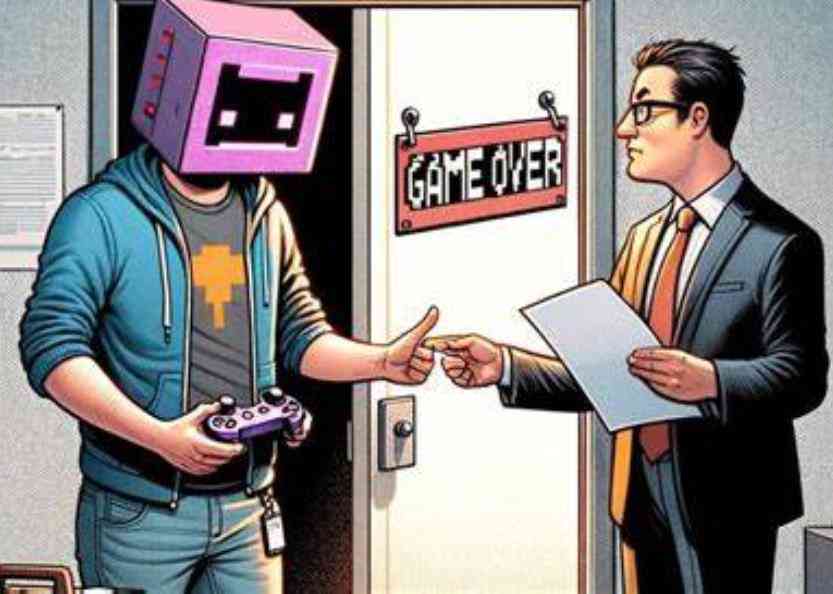
The global video game industry has always been defined by its rapid evolution, but the past few years have brought seismic shifts unlike anything the market has experienced before. Massive billion-dollar acquisitions, studio closures, widespread layoffs, and sudden strategic pivots have reshaped the way games are made and who controls the future of interactive entertainment. From Microsoft’s historic acquisition of Activision Blizzard to Embracer Group’s dramatic collapse, from the consolidation of Western AAA studios to the restructuring of live-service departments—every corner of the industry has felt the shockwaves.
For Western audiences—players, analysts, advertisers, and professionals—understanding why these shifts are occurring is essential. This is not just a business story; it is a story about labor, creativity, technology, risk, and the future of entertainment. The gaming ecosystem is maturing, but it is also becoming more competitive, more expensive, and more unpredictable.
This longform article breaks down the biggest acquisitions, the causes behind the layoff waves, and what these shifts mean for developers, gamers, advertisers, and the direction of the industry in 2025 and beyond.
Why Acquisition Activity Has Accelerated Across the Games Industry
Before exploring the specific acquisitions, it’s important to understand the economic and technological pressures driving companies to consolidate. Making games has always been costly, but development budgets have ballooned to unprecedented levels. The average AAA project now takes five to seven years to produce, requires hundreds of developers, and costs well over $150 million—including marketing, the total often exceeds $250 million.
Despite these rising costs, game prices have remained mostly flat. With limited room to increase revenue through simple price hikes, publishers have turned toward scale, synergy, and library expansion. Acquiring studios allows companies to expand faster than they can build internally.
Subscription platforms like Game Pass, PlayStation Plus, Apple Arcade, and Netflix Games have also created demand for a constant pipeline of content. Companies with large portfolios can keep these services stocked, while smaller studios struggle to compete for visibility.
IP ownership has become equally important as games increasingly feed transmedia ecosystems—TV series, films, merchandise, esports, and mobile extensions. A studio with a strong franchise is no longer simply a developer; it is a global brand. Large corporations want to own these brands outright.
There is also a technological factor: cloud infrastructure, cross-platform launches, and AI-assisted development require investments that smaller studios cannot afford. Consolidation gives them access to tools, funding, technical talent, and long-term support.
All of these forces help explain the surge in acquisitions that has reshaped the modern market.
Microsoft’s Acquisition of Activision Blizzard and Its Industry Impact
No acquisition has been more influential—or more controversial—than Microsoft’s purchase of Activision Blizzard King. This monumental deal brought together Call of Duty, World of Warcraft, Diablo, and Candy Crush under one corporate umbrella, instantly giving Microsoft one of the largest content libraries in gaming history.
The acquisition came at a time when Activision Blizzard was struggling with lawsuits, public scrutiny, leadership turnover, and internal morale problems. For Microsoft, the opportunity to rescue the company while pushing Game Pass into the mainstream was too valuable to ignore.
The impact reverberated across the industry. Sony faced major pressure as Microsoft secured one of the most lucrative franchises in gaming. Regulators worldwide reevaluated how they approach mergers in entertainment markets. Competitors accelerated their own acquisition strategies to avoid falling behind.
The deal also signaled a shift in Microsoft’s approach—from playing catch-up in the console war to building a content and subscription empire. With Activision Blizzard onboard, Microsoft’s strategy broadened to include mobile dominance through King, live-service expansion, and a more aggressive push toward cross-platform releases.
How Sony Strengthened Its Portfolio Through Strategic Acquisitions
Sony did not match Microsoft’s spending power, but it executed a series of highly strategic acquisitions to reinforce its creative strengths. Bungie brought expertise in live-service operations, a critical area Sony was eager to expand into. Insomniac Games delivered some of the most successful PlayStation releases of the past decade, making their acquisition a bargain in hindsight.
Sony’s purchase of Nixxes Software strengthened the company’s entry into PC gaming, enabling high-quality ports of formerly PlayStation-exclusive titles. Housemarque, Bluepoint, and Firesprite further diversified its first-party capabilities.
While Sony continues to face rising production costs and increased competition from Game Pass, its acquisitions have solidified its brand identity: polished, story-driven, cinematic blockbusters. Whether this model will hold up in a world increasingly dominated by live-service revenue remains one of the biggest questions for the coming years.
The Rise and Fall of Embracer Group’s Expansion Empire
One of the most dramatic stories in recent gaming history is the meteoric rise—and collapse—of Embracer Group. For several years, the company purchased studios at a breathtaking pace: Gearbox, Eidos Montreal, Crystal Dynamics, Volition, and dozens of mid-sized developers. The strategy relied heavily on an anticipated multibillion-dollar investment from Savvy Games Group.
When the deal unexpectedly fell apart, Embracer’s empire began to crumble. Studios were closed, employees laid off, and entire divisions dissolved. Beloved teams like Free Radical Design and Volition were shuttered, and prestigious Western franchises were left in limbo.
This collapse served as a cautionary tale about uncontrolled consolidation. Growth requires sustainable revenue—not just acquisitions. Embracer’s aggressive expansion revealed what happens when financial strategy isn’t aligned with operational capacity.
Why Mobile Publishers Have Become Acquisition Targets
Take-Two’s purchase of Zynga was a turning point for mobile gaming’s role in Western companies’ strategies. Zynga brought live-ops expertise, predictable revenue cycles, and a treasure trove of mobile IP. The acquisition diversified Take-Two beyond its reliance on blockbuster releases like GTA and NBA 2K.
Mobile gaming remains the highest-revenue segment of the global market. Western publishers seeking growth increasingly target mobile-focused studios, proving that mobile is no longer separate from the “core gaming” ecosystem.
Tencent has taken a different approach—investing in companies rather than buying them outright. Its stakes in Riot Games, Epic Games, Supercell, Ubisoft, and many indie studios give it unmatched global influence. Tencent’s presence is felt indirectly in nearly every major genre.
Why Layoffs Have Swept Across the Games Industry
Despite record-breaking industry revenue, layoffs have reached unprecedented levels. This paradox can be explained by several simultaneous factors.
During the pandemic, studios experienced explosive growth and hired rapidly to meet skyrocketing demand. As life returned to normal, engagement hours dropped sharply, leaving companies with inflated payrolls and overly ambitious production schedules.
Live-service games created enormous financial pressure. Publishers attempted to replicate the success of Fortnite, Destiny, and Genshin Impact, but most live services failed to gain momentum. When a live-service project collapses, entire teams are often disbanded.
AAA game development has also become riskier. When a blockbuster title takes seven years and hundreds of millions of dollars to produce, even moderate underperformance can lead to layoffs. Publishers are reducing experimental projects and emphasizing predictable IP.
Economic conditions added further pressure. Rising interest rates, investor caution, and shrinking venture capital have made long-term projects harder to finance. Many companies cut staff to maintain profitability and satisfy shareholders.
Acquisitions themselves also trigger restructuring. When two large companies merge, overlapping departments—HR, marketing, community management, QA—are often consolidated. While this is common in corporate mergers, its impact on developers has been severe.
Major Layoff Events That Shaped the Modern Industry
No company has been immune to restructuring. Even the most successful publishers have trimmed staff.
Microsoft’s acquisition of Activision Blizzard led to the elimination of multiple esports divisions, support roles, and overlapping management layers. Although the company expressed confidence in its future, integration required significant downsizing.
Epic Games, despite Fortnite’s incredible revenue, laid off hundreds of employees after years of overspending on metaverse initiatives and the Epic Games Store. The company had expanded too rapidly into areas that were not yet profitable.
Bungie experienced layoffs after declining Destiny 2 engagement and delayed releases. The studio had assumed revenue levels that did not materialize, forcing it to reassess its development roadmap and live-service strategy.
Embracer’s collapse triggered closures across Europe and North America. Teams that had been acquired only months earlier found themselves without stable funding and without projects to work on.
Ubisoft and EA also trimmed their portfolios. Both companies reduced their number of in-progress projects, favoring a smaller set of high-impact releases over broad experimentation.
How These Shifts Are Changing Game Development in 2025
The rapid consolidation and layoffs are not just headline events—they are catalysts reshaping how games are made.
Publishers are becoming more conservative with AAA development, focusing on fewer but bigger releases. Instead of greenlighting large numbers of experimental projects, companies are directing resources toward powerful franchises and prestige productions.
At the same time, mid-budget AA games are making a comeback. These projects, which cost far less than full-scale blockbusters, can be completed faster and carry lower financial risk. They allow developers to experiment with new ideas without requiring tens of millions of sales.
Subscription platforms are also influencing development priorities. Games that keep players engaged for months—RPGs, strategy titles, social experiences—are becoming highly attractive for subscription deals. This is reshaping publisher roadmaps and funding strategies.
AI-assisted development is beginning to play a major role. Studios are experimenting with AI tools for animation, QA testing, NPC behavior, asset generation, and localization. While AI is not replacing developers, it is evolving workflows and reducing repetitive tasks.
Remote work has become the norm for many studios. Teams are more global, distributed, and flexible, giving developers new opportunities but also increasing competition for roles.
What These Changes Mean for Gamers
For players, the shifting industry landscape comes with both advantages and challenges.
On the positive side, cross-platform support has improved dramatically. Players on PC, console, mobile, and cloud services can often access the same games, communities, and updates. Subscription services offer diverse libraries at accessible prices, and indie creativity continues to flourish.
However, players may also notice longer gaps between major AAA releases, fewer experimental AAA concepts, and a greater emphasis on sequel-driven franchises. Live-service fatigue has become a real concern as more studios try to compete for long-term attention.
Even so, the overall quality of major releases continues to rise. As publishers prioritize fewer but more polished projects, players benefit from greater refinement and post-launch support.
What These Changes Mean for Developers
Developers face a more volatile but also more flexible industry. Job security has become a major concern, especially in AAA studios dependent on hit-or-miss blockbusters. Yet new opportunities are emerging in indie development, remote collaborations, and contract-based production.
The demand for technical skills—AI integration, Unreal Engine expertise, cross-platform engineering—continues to grow. Developers with adaptable skill sets will find opportunities even as traditional studio roles shift.
Despite the turbulence, talent remains in high demand. The challenge is not the disappearance of jobs but their redistribution across new business models, regions, and technology frameworks.
What These Changes Mean for Advertisers and Investors
For advertisers using networks like Google AdX, the gaming landscape has become more attractive than ever. Western audiences are highly engaged, often spanning multiple platforms and age groups. Gaming content, especially reviews, news, strategy guides, and industry analysis, offers strong brand safety and sustained user interest.
Consolidation also means more stable ecosystems. Large publishers offer structured marketing channels, high-quality environments, and predictable release schedules—ideal conditions for advertisers.
Mobile gaming’s continued rise, combined with the growth of streaming, esports, and content creators, creates a multi-channel advertising environment with enormous reach. Investors also see gaming as a long-term growth sector, even with short-term concerns about layoffs and restructuring.
The Future of the Games Industry Beyond 2025
The next decade will be shaped by shifts already underway. Mega-publishers will continue to dominate high-budget development, while AI tools shorten production cycles and redefine job roles. Subscription ecosystems will diversify content needs, giving mid-budget games new life.
Indie developers will remain the source of innovation, using strong tools and accessible engines to create unique gaming experiences. Cross-platform design will become expected rather than exceptional. Cloud infrastructure will support broader access across devices, though it may take years to fully mature.
Games will continue to expand beyond traditional entertainment—into social spaces, education, virtual worlds, and hybrid media. The industry may be consolidating, but it is also evolving toward a more connected, more experiential, and more global form of entertainment.
A Period of Transition, Not Decline
Game studio acquisitions and layoffs paint a picture of an industry under pressure, but the truth is more complex. Gaming is not shrinking—it is transforming. Companies are adjusting to new economic realities, new technologies, new consumer habits, and new competitive landscapes.
The path forward is not without challenges, but it is filled with opportunity. Creativity remains strong, audiences continue to grow, and technological innovation is accelerating. For developers, gamers, advertisers, and investors alike, understanding the forces behind these changes is key to navigating the industry’s next chapter.



Leave a Reply