
A Deep Dive Into the Business Behind Western Esports
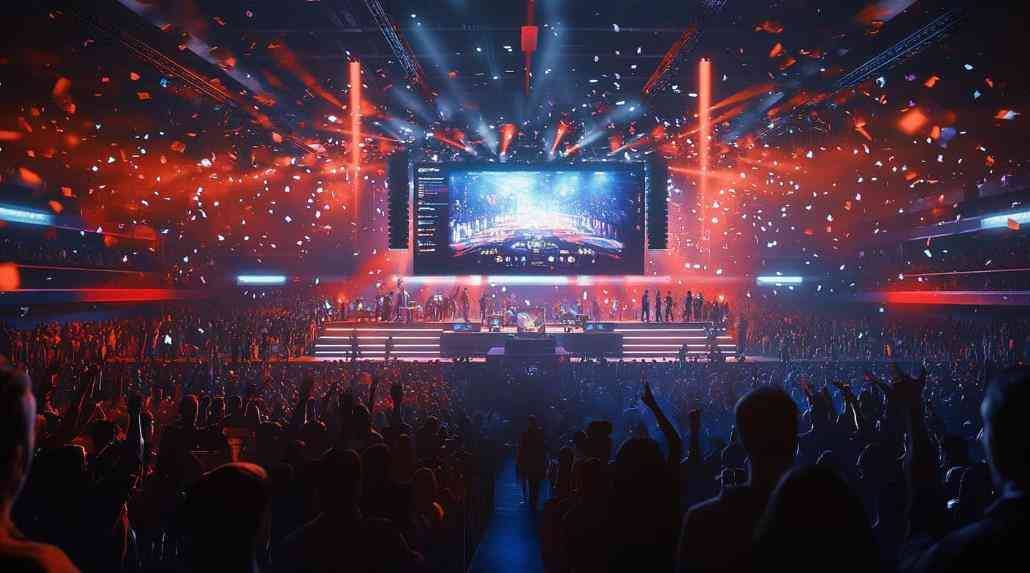
Esports has grown from a niche hobby to a global entertainment industry worth billions of dollars. While Asia often gets credit for sheer player numbers, the United States and Europe have shaped the business side of esports more than any other region—through franchised leagues, massive sponsorship deals, lifestyle branding, content studios, and influencer-driven team identities.
Yet despite the visibility of esports teams like FaZe Clan, 100 Thieves, Team Liquid, G2, and Cloud9, the actual financial mechanics behind esports are still confusing to many fans. Esports organizations (or “orgs”) aren’t like football clubs, nor are they like tech startups. They sit somewhere in the middle: part sports team, part entertainment company, part influencer agency, part merchandise brand, and part investment project.
This article provides a comprehensive breakdown of how esports teams actually make money, with a special focus on Western (US/Europe) business structures. We’ll explore player salaries, sponsorships, streaming revenue, tournaments, lifestyle merch strategies, franchising, future trends, and the big question: Are esports teams profitable—or are they still chasing growth at all costs?
Let’s dive deep.
The Modern Esports Landscape in the US & Europe
Over the past decade, esports has become a cultural force in the West. Key drivers include:
- Twitch and YouTube making esports accessible
- College esports programs and youth academies
- Major publishers pushing franchised leagues
- Non-endemic brands discovering Gen Z audiences
- The rise of gaming lifestyle brands
But the Western scene is also uniquely expensive. Compared to Asia, North American and European teams face:
- Higher minimum player salaries
- Larger content budgets
- Bigger operational teams (marketing, film crews, sponsorship managers)
- Expensive real estate for headquarters or training centers
For many teams, competition is not the main revenue generator—it’s the marketing platform. Teams compete to raise visibility, attract audiences, tell stories, and use that leverage to make money.
Ultimately, esports organizations are media companies disguised as sports teams.
Player Salaries: The Biggest Expense, Not the Biggest Earner
Many fans assume teams make money by signing star players and winning tournaments. In reality:
Player salaries are the #1 cost for most Western teams
Especially in:
- North American League of Legends (LCS)
- Overwatch League (before dissolution)
- Valorant
- Counter-Strike
Historically, NA teams have overpaid for talent relative to their competitive results. This led to inflated salary markets—sometimes unsustainably so.
How Player Salaries Work
Typical Western esports contracts include:
- Base salary
- Performance bonuses
- Revenue-share or streaming incentives
- Content participation requirements
- Travel, housing, health benefits (in US)
In top leagues, minimum salaries can be six figures. Some superstar players negotiate well into the mid-six or even seven figures depending on the game, region, and personal brand.
Why Teams Pay So Much
Players are not just athletes—they’re marketing assets.
High-profile players:
- Boost team visibility
- Attract sponsors
- Increase merchandise sales
- Help build social media reach
- Create content revenue through joint streams or videos
But here’s the uncomfortable truth:
Player salaries don’t directly generate profit for teams.
They’re an investment that needs to be monetized through other revenue streams.
Because of this, some Western orgs have shifted focus toward creators (who are cheaper and more monetizable) over pro players.
Sponsorships: The Financial Lifeline of Western Esports
If you take away sponsorships, the Western esports ecosystem collapses almost overnight.
In both the US and Europe:
Sponsorships account for 40–80% of revenue for many teams.
Brands love esports because:
- It reaches young audiences
- Gamers are highly engaged
- Teams offer strong storytelling opportunities
- Regions like North America have lucrative advertising markets
Types of Sponsorships
Esports teams usually secure deals in categories such as:
1. Gaming brands
- Logitech
- Razer
- Alienware
- HyperX
- SteelSeries
These partnerships often include hardware provision, branding, and co-marketing campaigns.
2. Energy drinks & beverages
- Monster
- Red Bull
- G Fuel
These companies align strongly with youth culture; esports is a perfect match.
3. Tech companies
- Intel
- AMD
- Samsung
- Verizon
- AT&T
These sponsors often fund content studios or build branded training facilities.
4. Non-endemic lifestyle and luxury brands
This is the fastest-growing category in the West.
Examples include:
- Gucci x 100 Thieves
- BMW sponsoring G2, Fnatic, Cloud9
- Lululemon & fashion partnerships
- Crypto brands (during the boom)
What Sponsors Actually Pay For
Brands value:
- Logo placement on jerseys
- Social media promotions
- Branded videos
- Naming rights to training facilities
- In-stream shoutouts
- Live event branding
- Access to team creators for campaigns
For some orgs, one mega-sponsor can cover an entire roster’s yearly salary costs.
Sponsors Are Making Esports Sustainable … For Now
But sponsorships are also volatile. When the tech, crypto, or advertising markets slump, esports feels the shock immediately.
This makes esports organizations hungry to diversify—but so far, they remain sponsorship-heavy.
Streaming & Content Creation: The Real Long-Term Money Maker
If sponsorships are the financial backbone, content is the heart of the business model.
Western teams—especially in the US—earn significant revenue through content creation:
- YouTube ad revenue
- Twitch revenue split
- Brand-sponsored videos
- Creator merch
- Podcast revenue
- Co-branded content houses
Why Content Matters More Than Competition
Most esports organizations don’t win enough tournaments to rely on prize money, so they shift focus to personality-driven content.
Teams like:
- 100 Thieves (highly polished lifestyle videos)
- FaZe Clan (vlogs + pranks + influencer collabs)
- Team Liquid (documentaries + esports storytelling)
- G2 (comedy-heavy branding and viral shorts)
have all used content as a primary revenue generator.
Creators Are Cheaper and More Profitable
Unlike pro players:
- Creators don’t need coaches or analysts
- Creators don’t rely on competitive success
- Creators produce consistent monetizable output
- Creators build huge fanbases directly
This is why many teams are now creator-first, esports-second.
One popular streamer can out-earn an entire esports roster through:
- Sponsorship deals
- Ad revenue
- Subscriber revenue
- Merch drops
- Affiliates
For Western orgs, creators are the most predictable revenue line.
Tournament Earnings: Overhyped and Overestimated
Most fans drastically overestimate the value of tournament winnings.
Here’s the truth: Tournament winnings are a minor income source.
Why?
- Most prize money goes directly to players
- Only the top 1–3 teams in any game make meaningful winnings
- Prize pools fluctuate wildly
- Esports games come and go (OWL, H1Z1, Heroes of the Storm…)
The only major exception has been:
Dota 2’s The International
Known for staggering prize pools (20–40 million in peak years). But even then:
- Prize money is split mostly to the players
- Only a few teams ever win big
- Valve cut back on crowdfunding, reducing future potential
Other games like League of Legends, VALORANT, Counter-Strike offer moderate prize pools, but nothing close to sustainable operating revenue.
Tournament winnings are better viewed as marketing exposure, not core income.
Merch, Apparel & Lifestyle Branding: The Western Formula That Works
Merchandise used to be an afterthought—just jerseys and hoodies.
Now it’s a major revenue stream, particularly in North America.
Why Merch Sells So Well in the West
- Fans love collectible drops
- Gaming culture blends with streetwear
- Teams are positioning themselves as lifestyle brands
- Limited edition items create hype
Teams like:
- 100 Thieves → fashion-first brand
- FaZe Clan → streetwear collabs
- G2 → European fanbase + bold designs
- Team Liquid → luxury esports jerseys
have shown that merch sales can generate significant revenue during big launches.
The “Drop Model”
Inspired by streetwear brands like Supreme, many Western orgs use:
- Scarcity
- Timed releases
- Collabs with fashion brands
- Hype-based marketing
These drops can sell millions in product within hours.
This is one of the few revenue streams where teams can achieve very high profit margins.
Franchising & Revenue Sharing: The American Sports Influence
The US esports system is heavily inspired by the NBA/NFL model, with franchised leagues, buy-ins, and revenue sharing.
This includes:
- LCS (League of Legends)
- LEC (Europe, modified structure)
- Call of Duty League
- Overwatch League (now dissolved)
How Franchising Was Supposed to Work
Teams pay millions in buy-in fees in exchange for:
- Revenue sharing from sponsorships
- Stable competition slots
- Protection against relegation
- Brand valuation increases
What Actually Happened
Some leagues performed well (LEC), while others struggled with viewership and profitability (OWL, CDL).
The franchising boom ultimately cooled, and many teams realized the model wasn’t as financially secure as promised.
Still, franchised leagues help teams access:
- National sponsors
- Publisher revenue splits
- Long-term brand stability
Europe’s LEC remains one of the healthiest ecosystems thanks to strong viewership, good social media presence, and consistent team branding.
Investments, Equity, and Valuations: The Startup Mentality
Many esports orgs raise money like tech startups.
They pitch their ability to:
- Capture Gen Z attention
- Build long-term lifestyle brands
- Create future monetizable IP
- Expand into media, entertainment, and fashion
This has created very high valuations. Some teams secured investments from:
- Venture capital funds
- Traditional sports teams
- Celebrities (Drake, Post Malone, athletes)
- Entertainment companies
But valuations are only future projections—not revenue today.
The challenge: the revenue hasn’t always caught up to the expectations.
Media Rights, League Revenue & Publisher Partnerships
Western publishers like Riot Games and Activision Blizzard tightly control esports ecosystems. Teams often rely on:
- Revenue sharing from league sponsors
- Media rights deals (YouTube, Twitch)
- Ticket sales for live events
- Publisher grants or subsidies (in early years)
Why Media Rights Haven’t Exploded Yet
Unlike traditional sports, esports viewership is expected to be free, driven by platforms like Twitch.
This reduces the value of paid media deals. Until the culture shifts, teams will struggle to capture major revenue from broadcast rights.
Additional Revenue Streams (Often Small but Growing)
Esports betting sponsorships
Controversial but profitable in some regions.
Mobile gaming partnerships
Especially in Europe, where mobile esports is growing.
International expansion
Teams signing rosters in Brazil, India, or Asia to grow fanbases.
Training centers and gaming facilities
Selling tours, events, or rentals.
Esports academies & youth programs
Especially in Europe, where traditional football clubs use this model.
These are still stabilizing but could grow significantly.
Are Esports Teams Actually Profitable?
Here’s the blunt reality:
Many Western esports organizations are not yet profitable.
Why?
- High player salaries
- Heavy content production spending
- Expensive real estate (LA, Berlin)
- Reliance on volatile sponsorship markets
- Lack of consistent revenue from leagues
However, the path to profitability is becoming clearer.
Teams that do well share several traits:
- Strong creator roster
- High-performing content studios
- Diverse income streams
- Smart salary management
- Merch success
- Partnerships with non-endemic brands
- Clear brand identity (comedy, lifestyle, fashion, competitive power)
Teams like 100 Thieves, G2, Team Liquid, and Cloud9 have leaned into entertainment and lifestyle branding, helping close the profitability gap.
The Future: What Will Drive Esports Revenue in the Next 5 Years?
The Western esports business model is evolving fast. Here’s what to expect.
1. Creator-first organizations will dominate
Teams will likely hire more creators than pro players, because creators are more profitable and bring larger direct audiences.
2. Esports will merge further with mainstream entertainment
Think Netflix documentaries, Hollywood collabs, podcasts, original shows.
3. AI-driven content factories
Teams will use AI to produce scalable content, marketing assets, and fan engagement tools.
4. Better sustainability and salary regulation
The era of reckless spending is ending. Teams will model themselves after European soccer academies or MMA-style management agencies.
5. New monetization options
- Paid fan memberships
- Digital collectibles
- Creator-owned brands
- Premium content channels
- Live events and fan conventions
6. Game publishers offering deeper revenue-sharing
More esports ecosystems will adopt shared revenue models similar to Riot’s new systems.
Esports Teams Are Evolving From Competitive Squads Into Entertainment Empires
Western esports organizations have learned something crucial:
Competition alone cannot support the business.
Content, culture, and community do.
Today’s esports teams make money through:
- Sponsorships (core revenue)
- Content creation & creators (high-margin, scalable)
- Merch & lifestyle branding
- Franchised league partnerships
- Media rights & publisher deals
- Occasional tournament winnings
- Investments and brand collaborations
The future of esports isn’t just about winning championships—it’s about building identities, telling stories, entertaining millions, and becoming cultural brands that extend far beyond the game.
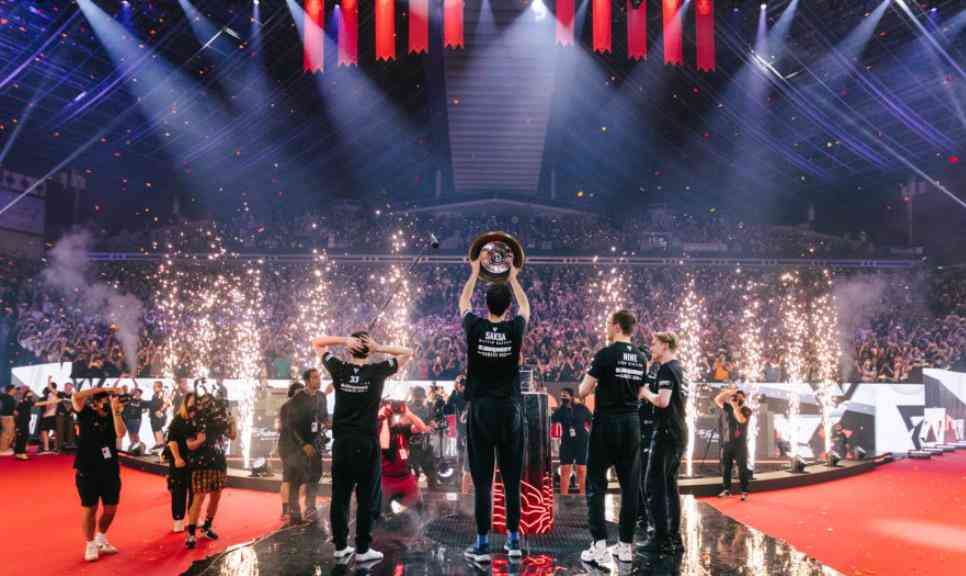
Esports is still young, but its economic foundation is maturing quickly. Teams that adapt to the entertainment-driven model will thrive; those who rely solely on competition may fade away.



Leave a Reply