

We live in a time of abundance. Supermarkets are full, calories are easy to come by, and yet many people feel constantly tired, mentally foggy, and prone to frequent illness. It’s a paradox: how can we be overfed and under-energized at the same time?
Some start their mornings with caffeine just to feel functional, only to crash by the afternoon. Others take daily multivitamins but still catch every seasonal cold. The issue isn’t simply how much we eat—it’s what our food actually provides. At the core of this disconnect lies a fundamental concept in nutrition: the difference between macronutrients and micronutrients.
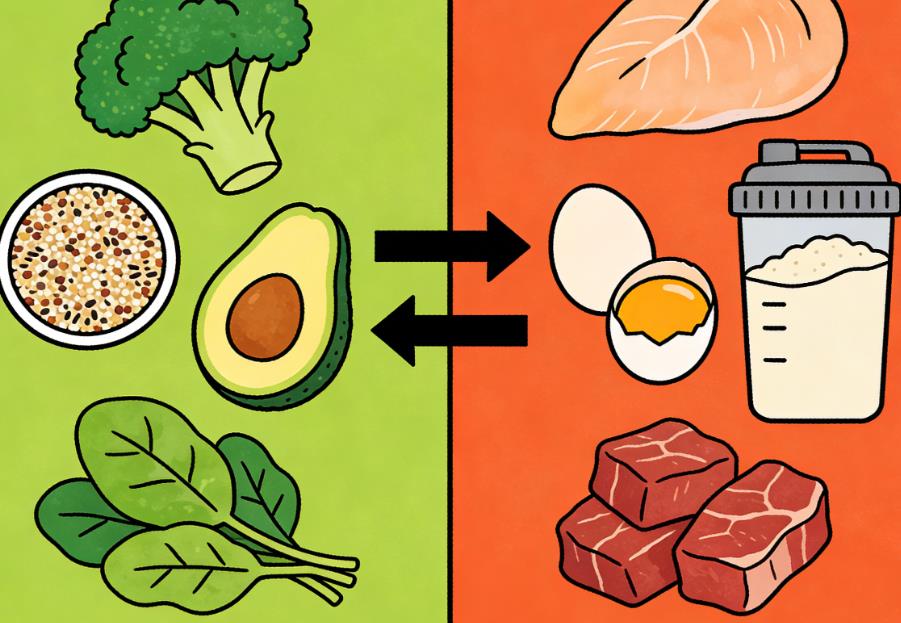
Macronutrients—carbohydrates, proteins, and fats—supply energy and structure. Micronutrients—vitamins and minerals—enable the body to use that energy effectively and defend itself against disease. Health depends not on choosing between them, but on how well they work together.
Macronutrients: Fuel and Foundation
Macronutrients are required in large amounts because they provide the body with energy and physical building materials.
Carbohydrates are the body’s most accessible energy source. Once consumed, they are broken down into glucose, which fuels cells throughout the body—especially in the brain and muscles. During physical activity, such as a run or a workout, stored glycogen is converted back into glucose to sustain movement. When carbohydrate intake is too low, energy levels drop, and symptoms like fatigue, irritability, and poor concentration often follow.
Protein plays a different role. Made up of amino acids, it supports the growth and repair of tissues and is essential for producing enzymes, hormones, and immune cells. Although not primarily used for energy, protein can be converted into glucose when needed, especially during calorie restriction. However, relying on protein for energy comes at a cost—often the breakdown of muscle tissue. For this reason, adequate protein intake is particularly important for recovery, physical performance, and immune support.
Fats, often misunderstood, are equally critical. They provide a dense source of energy and are key components of cell membranes. Beyond that, fats enable the absorption of fat-soluble vitamins such as A, D, E, and K. Certain fats, particularly omega-3 fatty acids, also help regulate inflammation, which plays a central role in both recovery and immune health.
The balance between these macronutrients shapes how stable our energy feels throughout the day. Diets overly skewed toward one—such as high sugar intake without sufficient protein or fat—can lead to rapid spikes and crashes in energy, as well as long-term metabolic issues.
Micronutrients: The Invisible Regulators
While macronutrients provide the fuel, micronutrients make sure the engine actually runs.
Vitamins and minerals are required in much smaller amounts, yet they are essential for nearly every biological process. Rather than supplying energy directly, they regulate how energy is produced, used, and stored.
Vitamin C supports immune defense and helps the body repair tissues. Vitamin D, which the body can produce through sunlight exposure, plays a key role in immune regulation. Minerals like iron and zinc are equally important—iron allows oxygen to be transported throughout the body, while zinc supports immune signaling and cellular repair. Magnesium, often overlooked, participates in hundreds of enzymatic reactions, many of which are directly tied to energy production.
Deficiencies in these nutrients can be subtle at first. Persistent fatigue, weakened immunity, poor focus, and even mood changes can all stem from inadequate micronutrient intake. These symptoms often appear despite sufficient—or even excessive—calorie consumption.
Micronutrients also work in close partnership with macronutrients. For example, fat is necessary for absorbing certain vitamins, while B vitamins are required to convert carbohydrates into usable energy. Without enough micronutrients, even a calorie-rich diet can leave the body struggling to function efficiently.
Energy at the Cellular Level
When we talk about energy in the body, we’re really referring to ATP—adenosine triphosphate—the molecule that powers nearly every cellular activity.
Macronutrients are broken down through metabolic pathways to produce ATP, but these processes rely heavily on micronutrients. B vitamins, for instance, are essential for converting glucose into energy. Magnesium and iron play key roles in the final stages of energy production within the mitochondria.
If any of these micronutrients are lacking, the entire system slows down. The result is not necessarily a lack of calories, but a reduced ability to turn those calories into usable energy. This is why people can consume enough food yet still feel constantly drained.
Whole, minimally processed foods tend to provide both energy and the nutrients required to unlock it. In contrast, highly processed foods often deliver calories without the necessary micronutrient support, leading to inefficiency at the cellular level.
Immunity: Built on Nutrition
The immune system depends heavily on both macro- and micronutrients.
Protein is essential for producing antibodies and immune cells. Without adequate intake, the body’s ability to fight infection declines. Healthy fats help regulate inflammation, ensuring that immune responses are effective without becoming excessive or damaging.
Carbohydrates also play a role, particularly during infection, when immune cells require additional energy to respond quickly. However, diets high in refined sugars may impair immune efficiency by promoting inflammation.
Micronutrients are equally crucial. Vitamin C enhances immune cell function, while vitamin D helps regulate immune responses. Zinc supports the development of immune cells, and antioxidants such as vitamin E and selenium protect the body from oxidative damage generated during immune activity.
In short, the immune system relies on a steady supply of both fuel and regulatory support. Without one or the other, its effectiveness declines.
The Link Between Energy and Immunity
Energy and immunity are deeply interconnected.
Fighting infection requires a significant amount of energy. This is why fatigue is a common symptom of illness—the body is reallocating resources to support immune activity. At the same time, micronutrients ensure that this energy is used efficiently.
Chronic inflammation, often driven by poor diet, creates a different problem. It keeps the immune system in a constant low-level state of activation, which drains energy over time. Diets high in processed foods and unhealthy fats tend to promote this state, while nutrient-rich diets help regulate it.
Maintaining both energy and immune resilience depends on reducing unnecessary inflammation while ensuring the body has the resources it needs to respond when necessary.
The Modern Imbalance
One of the defining features of modern diets is an overemphasis on macronutrients and a neglect of micronutrients.
Processed foods are often high in calories but low in nutritional value. This creates a situation where people consume more than enough energy but still lack essential vitamins and minerals. The result is a form of hidden malnutrition.
At the same time, overly restrictive diets can also create problems. Eliminating entire food groups or drastically reducing calorie intake may lead to deficiencies that affect both energy levels and overall health.
Balance—not extremes—is the key.
Practical Ways to Restore Balance
Improving nutrition doesn’t require perfection, but it does require awareness.
A varied diet that includes whole grains, lean proteins, fruits, vegetables, nuts, and healthy fats naturally provides both macro- and micronutrients. Paying attention to food quality—not just calorie quantity—makes a significant difference.
Combining foods strategically can also improve nutrient absorption. For example, pairing vitamin C-rich foods with iron sources enhances iron uptake, while including healthy fats helps absorb fat-soluble vitamins.
Supplements can be useful in specific cases, but they should complement—not replace—a well-rounded diet.
Equally important are lifestyle factors such as sleep, exercise, and stress management, all of which influence how effectively the body uses nutrients.
Beyond Calories: A More Complete View of Health
Two people can consume the same number of calories and experience vastly different outcomes. A diet built on whole, nutrient-dense foods supports steady energy, stronger immunity, and better overall function. A diet based on processed, nutrient-poor foods often leads to energy crashes and increased susceptibility to illness.
Emerging research also highlights the role of the gut microbiome, which is shaped by diet and influences both metabolism and immune function. Fiber-rich, plant-based foods support beneficial bacteria that contribute to overall health.
Balance Over Simplification
The conversation around nutrition often focuses on extremes—low-carb, high-protein, low-fat—but real health doesn’t come from choosing sides.
Macronutrients provide the energy and structure that sustain life. Micronutrients ensure that this energy is used effectively and safely. One without the other is not enough.
True vitality comes from their balance—a quiet, ongoing collaboration happening inside the body with every meal we eat.


Leave a Reply