In 2026, protein has become one of the most discussed topics in nutrition, wellness, and performance optimization. From wearable devices that estimate your metabolic needs in real time to AI-driven diet apps that personalize macronutrient intake, protein is no longer just a “gym topic.” It is now central to conversations about healthy aging, weight management, metabolic health, and even mental clarity.
Yet despite the popularity of high-protein diets, most people still misunderstand how much protein they actually need. Some overconsume it dramatically, influenced by fitness culture and social media trends, while others underestimate it and fall short of what their body requires for optimal health.
This article breaks down what modern science and current 2026 nutrition trends say about protein requirements, how those needs vary by lifestyle, and how to find your ideal daily intake without overcomplicating your diet.
Understanding Protein’s Role in the Modern Human Body
Protein is not just a “muscle-building nutrient.” It is a structural and functional component of nearly every biological system in the human body.
At a basic level, protein is made up of amino acids, which serve as building blocks for:
Muscle tissue repair and growth
Enzymes that regulate metabolism
Hormones that control appetite, stress, and energy balance
Immune system components like antibodies
Skin, hair, and connective tissue maintenance
In 2026, research in metabolic health has emphasized an even broader role of protein: its impact on satiety signaling and blood sugar stability. High-protein meals tend to reduce post-meal glucose spikes, improve appetite regulation, and support more stable energy levels throughout the day.
This is one of the reasons why high-protein living has become a central theme in modern dietary strategies, especially in the United States and other developed countries where sedentary lifestyles and metabolic disorders are more common.
The Baseline: The Official Minimum vs. Optimal Intake
To understand how much protein you need, it is important to distinguish between minimum requirements and optimal intake.
The current Recommended Dietary Allowance (RDA) in the United States is:
0.8 grams of protein per kilogram of body weight per day
For a 70 kg (154 lb) adult, this equals about 56 grams of protein per day.
However, in 2026, most nutrition experts agree that this number represents the minimum to prevent deficiency, not the amount needed for optimal health, performance, or body composition.
Modern research suggests that optimal intake for most adults falls into a higher range:
1.2 to 2.2 grams per kilogram of body weight per day depending on lifestyle and goals
This is a significant shift from older dietary guidelines and reflects new understanding of protein’s role in preserving lean muscle mass, especially with aging and sedentary behavior.
How Much Protein You Really Need Based on Lifestyle
Protein needs are not one-size-fits-all. In 2026, personalized nutrition models increasingly categorize protein requirements based on activity level, metabolic health, and age.
Sedentary Adults
For individuals with minimal physical activity, the goal is primarily metabolic stability and muscle maintenance.
Recommended intake:
0.8 to 1.2 g/kg body weight
While the RDA technically covers minimum survival needs, most sedentary adults benefit from being closer to the upper range to prevent gradual muscle loss, which becomes more pronounced after age 30.
For example, a 70 kg adult would aim for 56 to 84 grams of protein per day.
Recreationally Active Individuals
This group includes people who exercise 2–4 times per week, including walking, cycling, light strength training, or fitness classes.
Recommended intake:
1.2 to 1.6 g/kg body weight
At this level, protein supports recovery, muscle maintenance, and improved metabolic flexibility.
A 70 kg active adult would typically need 84 to 112 grams per day.
Strength Training and Fitness Enthusiasts
For individuals engaged in resistance training, hypertrophy programs, or high-intensity sports, protein demand increases significantly.
Recommended intake:
1.6 to 2.2 g/kg body weight
This range supports muscle repair, growth, and adaptation.
A 70 kg athlete or gym-goer would need approximately 112 to 154 grams per day.
This range is strongly supported by sports nutrition research and remains one of the most evidence-based recommendations in 2026.
Older Adults (Aging Population 50+)
One of the most important developments in nutrition science over the past decade is the recognition of “anabolic resistance” in older adults. As we age, the body becomes less efficient at using protein to build and maintain muscle.
Recommended intake:
1.2 to 2.0 g/kg body weight
Higher protein intake in older adults is associated with:
Reduced risk of sarcopenia (age-related muscle loss)
Improved mobility and balance
Better recovery from illness or injury
Maintained independence later in life
In 2026, many healthcare systems now actively encourage higher protein intake for aging populations as part of preventative healthcare strategies.
High-Protein Diet Trends in 2026
Protein consumption trends have evolved significantly over the past few years, driven by several global shifts:
AI-Personalized Nutrition
Apps and wearable devices now analyze glucose response, activity levels, sleep quality, and metabolic rate to recommend daily protein targets. Instead of static guidelines, individuals receive dynamic protein recommendations that adjust daily.
Plant-Based Protein Expansion
The rise of plant-based eating has led to a surge in alternative protein sources, including:
Pea protein
Soy-based complete proteins
Mycoprotein
Fermented protein blends
These alternatives are now engineered to match the amino acid profiles of animal proteins more closely than ever before.
Protein and Metabolic Health Awareness
In the United States especially, protein is increasingly linked to metabolic health strategies aimed at combating insulin resistance, obesity, and energy instability. High-protein diets are often used in structured eating plans to reduce cravings and improve satiety.
GLP-1 Medication Influence
With the widespread use of appetite-regulating medications in modern healthcare, protein intake has become even more important. Individuals on such treatments are often advised to prioritize protein to preserve lean muscle mass during weight loss phases.
Signs You May Not Be Getting Enough Protein
Even in developed countries with abundant food supply, mild protein deficiency is more common than people realize, especially in low-calorie or highly processed diets.
Common signs include:
Persistent fatigue or low energy
Slow recovery from exercise
Increased cravings for snacks or sugar
Muscle weakness or loss of tone
Hair thinning or brittle nails
Frequent hunger shortly after meals
While these symptoms can have multiple causes, inadequate protein intake is often a contributing factor.
Can You Eat Too Much Protein?
One of the most debated topics in nutrition is whether high protein intake is harmful.
In healthy individuals, research in 2026 continues to show that high-protein diets are generally safe when kidney function is normal. However, there are practical limits.
Excess protein does not automatically translate into more muscle growth or better health. Once the body’s needs are met, additional protein is primarily used for energy or converted into other compounds.
Most experts suggest that consistently exceeding 2.2 g/kg body weight is unnecessary for most people unless under specific athletic or medical supervision.
Quality vs Quantity: Not All Protein Is Equal
In modern nutrition science, protein quality matters as much as total intake.
High-quality protein sources typically include:
Complete amino acid profiles
High digestibility
Adequate leucine content (important for muscle protein synthesis)
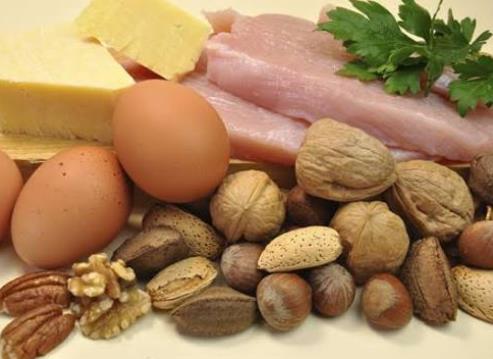
Animal-based sources such as eggs, dairy, fish, and lean meats naturally meet these criteria. However, in 2026, plant-based nutrition has advanced significantly, and many blended plant proteins now achieve comparable quality.
What matters most is dietary diversity. Relying on a single protein source is less effective than combining different sources across meals.
Protein Timing: Does It Matter in 2026?
The “anabolic window” theory has been refined over time. In 2026, the consensus is more flexible than in past decades.
Total daily intake matters far more than precise timing. However, distributing protein evenly across the day appears to improve muscle protein synthesis.
A practical modern guideline:
20–40 grams of protein per meal, 3–4 times per day
This approach helps maintain stable amino acid availability and supports better appetite control.
Breakfast protein intake is also increasingly emphasized, as it may help regulate hunger and energy levels throughout the day.
How to Calculate Your Ideal Protein Intake
A simple modern formula used by many nutrition platforms in 2026:
Step 1: Determine your body weight in kilograms
Step 2: Choose your activity multiplier
Sedentary: 0.8–1.2
Active: 1.2–1.6
Fitness-focused: 1.6–2.2
Older adults: 1.2–2.0
Step 3: Multiply weight × range
For example:
A 75 kg moderately active individual:
75 × 1.4 = ~105 grams of protein per day
This gives a realistic target rather than a rigid rule.
Best Ways to Meet Your Daily Protein Needs
Meeting protein requirements does not require extreme dieting or excessive supplementation. In 2026, most nutritionists emphasize whole-food approaches supported by convenience tools when needed.
Practical strategies include:
Including a protein source in every meal
Using protein-rich snacks such as yogurt, nuts, or protein shakes when necessary
Balancing animal and plant protein sources for nutrient diversity
Planning meals around protein first, then adding carbohydrates and fats
Supplementation can be helpful, especially for busy lifestyles, but it should complement rather than replace whole foods.
The Future of Protein in Human Nutrition
Looking ahead, protein consumption is likely to become even more personalized and technology-driven.
Emerging trends include:
Real-time protein tracking via wearable sensors
DNA-based nutrition recommendations
Lab-grown protein sources with enhanced amino acid profiles
AI-generated meal planning that adapts protein intake daily
At the same time, the core principle remains unchanged: protein is essential, but more is not always better.
The goal in 2026 is not maximum protein intake, but optimal protein balance aligned with your body, lifestyle, and long-term health goals.
High-protein living is not just a trend—it is a reflection of modern nutritional science and evolving lifestyle needs. However, the most important takeaway is that protein requirements are highly individual.
For most people, the optimal range falls between 1.2 and 2.2 grams per kilogram of body weight per day, depending on activity level, age, and health goals.
Rather than chasing extreme high-protein diets, the smarter approach in 2026 is personalization, balance, and consistency. When protein intake aligns with your lifestyle and metabolic needs, it becomes one of the most powerful tools for energy, body composition, and long-term health.


Leave a Reply