
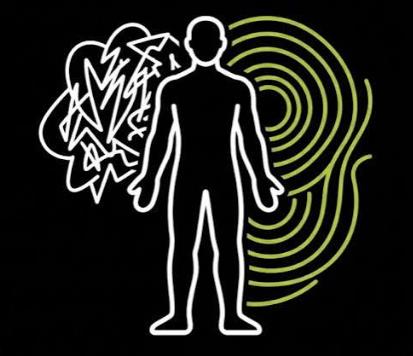
In 2026, emotional regulation has quietly moved from a niche psychology concept into one of the most essential life competencies in modern society. Once discussed mainly in therapy rooms or academic journals, it is now central to how people work, communicate, build relationships, and even interact with technology. As digital environments become more emotionally intense and cognitively demanding, the ability to manage internal emotional states is no longer optional. It has become a baseline requirement for stability, productivity, and long-term well-being.
At its core, emotional regulation refers to the ability to recognize, understand, and manage emotional responses in a way that is adaptive rather than reactive. It does not mean suppressing feelings or forcing constant positivity. Instead, it involves the skillful navigation of emotional experiences so that they inform decisions without controlling them. In a world shaped by algorithmic feeds, economic uncertainty, remote work pressures, and constant information overload, this ability is emerging as a defining factor in who thrives and who struggles.
One of the biggest reasons emotional regulation has become so important in 2026 is the acceleration of digital life. People are exposed to more emotional triggers in a single day than previous generations might have encountered in a week or even a month. Social media platforms are designed to maximize engagement, often by amplifying emotionally charged content. This creates a psychological environment where users are frequently exposed to outrage, comparison, anxiety-inducing news, and social validation loops. Without strong emotional regulation skills, individuals can become stuck in cycles of reactivity, impulsive posting, doomscrolling, or emotional exhaustion.
At the same time, the workplace has changed dramatically. Hybrid and remote work environments have reduced physical boundaries between personal and professional life. Employees are expected to manage tasks independently, communicate across time zones, and remain constantly reachable. This autonomy is empowering but also psychologically demanding. Emotional regulation plays a crucial role in preventing burnout, managing frustration during miscommunication, and maintaining motivation in isolated environments. In many industries, it has become as important as technical competence.
Another major driver is the increasing mental health awareness across society. In 2026, more people are openly discussing anxiety, stress, and emotional overwhelm than ever before. However, awareness alone is not enough. Emotional literacy is rising, but emotional regulation is still lagging behind. Many individuals can identify what they feel but struggle with how to respond effectively to those feelings. This gap has led to growing interest in practical tools that go beyond insight and focus on real-time emotional management.
Emotional regulation is also being reshaped by artificial intelligence and digital assistants. As AI becomes more integrated into daily life, people are interacting with systems that can respond instantly, generate content, and simulate conversation. While this increases efficiency, it also creates new emotional dynamics. Users may experience frustration when AI misunderstands them, anxiety about automation replacing human roles, or dependency on instant answers. Managing these emotional reactions requires a new layer of self-awareness and adaptability.
To understand emotional regulation more deeply, it is useful to break it into several core components. The first is emotional awareness, which involves noticing emotional states as they arise. Many people operate on autopilot, reacting to situations without fully identifying what they are feeling. Developing awareness creates a crucial pause between stimulus and response. This pause is where regulation becomes possible.
The second component is emotional labeling. Research consistently shows that naming emotions reduces their intensity. When individuals can accurately describe whether they are feeling frustration, disappointment, embarrassment, or fear, they reduce the brain’s tendency to amplify vague distress. In 2026, digital mental health tools are increasingly incorporating real-time emotion tracking to support this process, but even without technology, simple self-reflection can improve emotional clarity.
The third component is cognitive reappraisal. This involves reframing how a situation is interpreted. For example, instead of viewing criticism as a personal attack, it can be reframed as feedback or an opportunity for improvement. This does not deny the emotional impact but changes its meaning. Cognitive reappraisal is one of the most powerful tools for emotional resilience because it directly influences how strongly emotions are experienced.
The fourth component is impulse regulation. Emotions often trigger immediate behavioral urges such as sending an angry message, withdrawing from others, or making impulsive decisions. Emotional regulation involves creating space between feeling and action. Techniques such as delayed response, breathing exercises, or physical grounding can help reduce impulsive reactions and support more intentional behavior.
The fifth component is emotional recovery. Even with strong regulation skills, emotional disruption is inevitable. What matters is how quickly a person can return to baseline after stress. Individuals with high emotional recovery capacity do not avoid difficult emotions; they simply do not remain stuck in them for long periods.
One of the most important shifts in 2026 is the recognition that emotional regulation is not purely an individual responsibility. It is also shaped by environment, culture, and technology design. For example, workplaces that encourage constant urgency or reward overwork can undermine emotional stability. Similarly, social platforms that prioritize outrage-driven content can make regulation significantly harder. This has led to growing discussions about “emotional ergonomics,” or the idea that environments should be designed to reduce unnecessary emotional strain.
Education systems are also beginning to adapt. Emotional regulation is increasingly being introduced as part of modern curricula, alongside critical thinking and digital literacy. Schools are recognizing that academic success alone is no longer sufficient preparation for adulthood. Students who can manage frustration, anxiety, and interpersonal conflict are more likely to succeed in both professional and personal domains. Some programs now integrate mindfulness practices, conflict resolution training, and emotional vocabulary development into daily learning.
In the healthcare and therapy space, emotional regulation is a core focus of many evidence-based treatments. Cognitive Behavioral Therapy, Dialectical Behavior Therapy, and Acceptance and Commitment Therapy all emphasize different aspects of emotional management. What has changed in 2026 is the accessibility of these tools. With the rise of digital therapy platforms and mental health apps, more people have access to structured emotional regulation techniques outside traditional clinical settings.
Despite its importance, emotional regulation is often misunderstood. A common misconception is that it means being calm all the time. In reality, emotionally regulated individuals still experience anger, sadness, joy, and fear at full intensity. The difference lies in how those emotions are processed and expressed. Regulation is not suppression. It is integration. It allows emotions to exist without allowing them to dominate decision-making or destabilize behavior.
Another misconception is that emotional regulation is purely a mental skill. In fact, it is deeply connected to the body. Physiological states such as sleep quality, nutrition, exercise, and stress hormone levels all influence emotional stability. For example, chronic sleep deprivation significantly reduces impulse control and increases emotional reactivity. This means that lifestyle choices are directly tied to emotional regulation capacity.
In 2026, wearable technology is increasingly being used to support this mind-body connection. Devices that track heart rate variability, stress levels, and sleep cycles provide users with real-time feedback about their physiological state. While this data is not a replacement for internal awareness, it can help individuals recognize patterns and intervene earlier when emotional imbalance begins to build.
Social relationships also play a critical role. Humans are inherently relational beings, and emotional regulation is often co-regulated through interaction with others. Supportive relationships can help stabilize emotional states, while toxic or high-conflict environments can destabilize them. Learning to set boundaries, communicate needs clearly, and disengage from emotionally harmful dynamics is therefore an essential part of emotional regulation skill-building.
One of the most significant cultural trends in 2026 is the shift from performance-based identity to emotional sustainability. In the past, success was often measured by productivity, income, or external achievement. While these metrics remain relevant, there is growing recognition that they are insufficient if achieved at the cost of emotional well-being. People are increasingly prioritizing sustainable work rhythms, mental clarity, and emotional balance over constant output.
This shift is particularly visible among younger generations, who are more likely to question traditional hustle culture narratives. Instead of glorifying burnout, there is greater emphasis on boundaries, rest, and emotional intelligence. Emotional regulation is at the center of this cultural evolution because it provides the internal stability required to make these choices consistently.
At a practical level, developing emotional regulation skills requires intentional practice. One of the most effective approaches is building moment-to-moment awareness through simple check-ins throughout the day. Asking “What am I feeling right now?” or “Where do I feel this in my body?” helps strengthen the connection between cognition and emotion. Over time, this builds a stronger baseline of self-awareness.
Another practical method is structured reflection after emotional events. Instead of immediately moving on from a stressful interaction, taking time to analyze what triggered the response, how it was interpreted, and how it was handled can create long-term improvement. This reflective loop transforms emotional experiences into learning opportunities.
Breathing techniques and somatic grounding exercises are also widely used because they directly influence the nervous system. Slow, controlled breathing can activate the parasympathetic nervous system, reducing physiological arousal and making it easier to think clearly. These techniques are simple but highly effective when practiced consistently.
Ultimately, emotional regulation in 2026 is about adaptability in an increasingly complex world. It is not about eliminating emotional intensity but about building the capacity to remain steady within it. As life becomes faster, more connected, and more cognitively demanding, emotional regulation is emerging as one of the most important forms of intelligence.
It influences how people navigate careers, relationships, health, and technology. It determines whether stress becomes chronic or manageable, whether conflict becomes destructive or constructive, and whether digital life becomes overwhelming or navigable. In this sense, emotional regulation is not just a personal development trend. It is a foundational skill for modern human life.
As society continues to evolve, the importance of emotional regulation will only grow. It represents a shift toward a more self-aware, balanced, and sustainable way of living in a world that is unlikely to slow down. Those who develop this skill will not only cope better with change but will also be better equipped to shape their lives with intention, clarity, and resilience.


Leave a Reply