
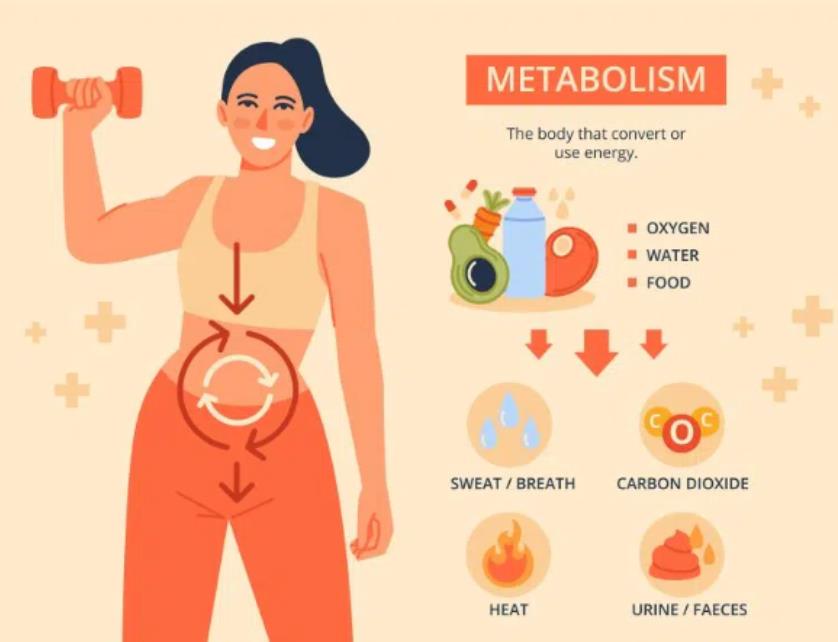
Imagine finishing a brisk 30-minute run and feeling that surge of energy and clarity afterward. That post-exercise “boost” isn’t just in your mind—it’s happening at the cellular level. Your mitochondria, often called the cell’s powerhouses, are hard at work producing energy in the form of ATP. Understanding how exercise stimulates mitochondrial function reveals why physical activity is not just beneficial for fitness but also crucial for overall cellular health, metabolic efficiency, and even longevity.
Understanding Energy Metabolism
Every action your body takes—from lifting a cup to running a marathon—requires energy. This energy primarily comes from ATP (adenosine triphosphate). There are two main ways your body generates ATP:
- Anaerobic Glycolysis: Quickly converts glucose into ATP without oxygen, ideal for short bursts like sprinting.
- Aerobic Metabolism (Mitochondrial Oxidation): Uses oxygen to convert carbohydrates and fats into ATP, sustaining prolonged activities like cycling or swimming.
Mitochondria are central to aerobic metabolism. The more active and efficient you
How Exercise Stimulates Mitochondria
1. Endurance Training
Regular aerobic exercise, such as running, cycling, or swimming, stimulates mitochondrial biogenesis—the process of creating new mitochondria. Endurance training increases the density of mitochondria in muscle cells, allowing muscles to sustain prolonged activity without fatigue. It also enhances the activity of key oxidative enzymes like citrate synthase, improving your ability to extract energy from both fats and carbohydrates.
2. High-Intensity Interval Training (HIIT)
HIIT alternates short bursts of intense activity with rest periods. Though it primarily stresses anaerobic pathways, HIIT triggers molecular signals that boost mitochondrial function, improving flexibility in fuel utilization. Studies show HIIT can increase mitochondrial content in skeletal muscles nearly as effectively as traditional endurance training but in a fraction of the time.
Did You Know?
Short, intense workouts can enhance your mitochondria’s ability to burn both fat and glucose more efficiently!
3. Strength Training
While resistance training primarily relies on glycolysis for immediate energy, it indirectly benefits mitochondrial health. Increased muscle mass enhances resting metabolic rate and provides a larger “workforce” for mitochondria, supporting overall metabolic health and endurance capacity.
Molecular Mechanisms Behind Mitochondrial Adaptation
Exercise triggers several key molecular pathways that drive mitochondrial improvements:
- PGC-1α (Peroxisome proliferator-activated receptor gamma coactivator 1-alpha): The master regulator of mitochondrial biogenesis. Exercise stimulates PGC-1α, leading to the creation of new, efficient mitochondria.
- AMPK (AMP-activated protein kinase): Acts as a cellular energy sensor. High energy demands during exercise activate AMPK, which promotes mitochondrial growth and glucose uptake.
- SIRT1 (Sirtuin 1): Involved in cellular stress resistance and longevity, SIRT1 supports mitochondrial function and protects against oxidative damage.
Together, these molecules ensure that your mitochondria not only multiply but also operate more efficiently, producing energy with less oxidative stress.
Health Benefits of Enhanced Mitochondrial Function
Improved mitochondrial function translates into several tangible health and performance benefits:
- Increased Endurance and Strength: More mitochondria mean more energy availability during prolonged activity.
- Metabolic Health: Enhanced mitochondrial efficiency improves insulin sensitivity and lipid metabolism, reducing the risk of metabolic disorders.
- Anti-Aging Effects: Mitochondria are critical in regulating oxidative stress. Healthy mitochondria contribute to cellular longevity and cognitive health.
- Recovery and Energy Levels: Efficient mitochondria accelerate recovery post-exercise and help maintain consistent energy throughout the day.
Science Snapshot
Research shows that individuals engaging in regular aerobic or HIIT exercise experience a 20-40% increase in mitochondrial density within weeks, significantly improving energy production.
Practical Tips for Boosting Mitochondrial Health
- Consistency Over Intensity: Regular exercise, even moderate, enhances mitochondrial density over time.
- Mix Training Modalities: Combine endurance, HIIT, and resistance exercises to maximize cellular adaptation.
- Fuel Your Mitochondria: Balanced nutrition rich in antioxidants, healthy fats, and lean proteins supports mitochondrial function.
- Recovery Matters: Sleep and stress management are essential, as mitochondria are sensitive to oxidative stress.
Exercise is much more than calorie burning; it’s a cellular tune-up. By stimulating mitochondrial biogenesis and function, physical activity enhances energy metabolism, promotes metabolic health, and supports longevity. Whether it’s a 20-minute HIIT session, a 45-minute bike ride, or a regular strength routine, every movement is an investment in your cellular energy factories. Start small, stay consistent, and your mitochondria—and overall vitality—will thank you.



Leave a Reply