
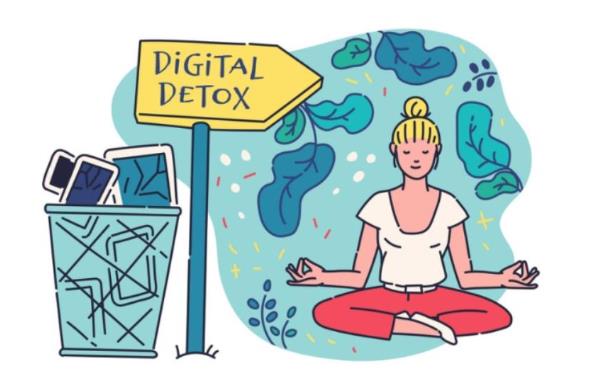
In today’s world, digital devices are everywhere. Smartphones, laptops, tablets, and televisions have become integral to our daily routines, offering unparalleled connectivity and convenience. Yet, this constant exposure comes at a cost. Emerging research shows that excessive screen time can adversely affect both physical and mental health, often in subtle ways we may not immediately recognize. As a response, the concept of a “digital detox”—intentionally reducing screen use to reconnect with the physical world—has gained popularity among individuals and health professionals alike. This article examines the impact of screen time, highlights the benefits of a digital detox, and provides practical strategies for incorporating it into daily life.
Physical Effects of Prolonged Screen Use
Eye Strain and Vision Concerns
Extended screen use can quickly take a toll on our eyes. Human vision is not naturally adapted to focusing on backlit devices for long periods, leading to symptoms such as dry eyes, blurred vision, and headaches—a collection of issues often referred to as Computer Vision Syndrome (CVS). Research indicates that nearly 60% of adults who spend significant time on computers experience some form of eye discomfort or strain.
Beyond minor discomfort, excessive near-screen focus can contribute to the progression of myopia, particularly among children and young adults. In countries with high digital engagement—such as the United States, Japan, and South Korea—the prevalence of myopia has risen sharply over the past decade.
Postural Challenges: Neck, Shoulder, and Back Strain
Prolonged device use often encourages poor posture. Forward head position, rounded shoulders, and slouched seating are common, leading to neck and shoulder strain, sometimes referred to as “tech neck.” Over time, these habits can result in chronic back pain, reduced spinal flexibility, and other musculoskeletal issues.
A 2021 survey of office workers in the United States found that over 70% reported neck or shoulder discomfort, frequently associated with extended computer use. Whether in athletic, office, or home environments, the cumulative impact of daily screen habits on musculoskeletal health is often underestimated.
Sleep Disruption
The blue light emitted by screens can suppress melatonin production, the hormone responsible for regulating sleep-wake cycles. Using smartphones, tablets, or laptops late at night often leads to difficulty falling asleep and diminished sleep quality. Poor sleep is linked to cognitive impairment, mood disturbances, and long-term health risks including obesity, diabetes, and cardiovascular disease.
For example, a tech entrepreneur in Silicon Valley observed a noticeable drop in productivity due to late-night screen use. By implementing a nightly digital detox—avoiding screens for one hour before bed—he improved both sleep duration and cognitive performance, highlighting the tangible benefits of reducing screen exposure.
Psychological Effects of Excessive Screen Time
Reduced Attention Span and Cognitive Fatigue
Constant notifications, endless social media feeds, and multitasking across devices can overwhelm the brain, impairing focus and cognitive performance. Research shows that frequent multitasking on digital devices not only lowers task efficiency but can also hinder long-term memory retention.
College students who habitually switch between texting, scrolling social media, and studying often score lower on comprehension tests compared with peers who engage in focused, screen-free study sessions. This cognitive overload underscores the importance of intentional digital detox practices.
Anxiety and Depression
Growing evidence links excessive screen use—especially on social media—with heightened anxiety and depression. Curated online content often fosters unrealistic social comparisons, triggering feelings of inadequacy and lowered self-esteem.
A 2019 study published in JAMA Psychiatry found that young adults who spent more than three hours per day on social media were more likely to report depressive symptoms. For instance, a graphic designer in New York City noticed that constant Instagram use intensified feelings of social isolation and dissatisfaction, which significantly improved after a two-week digital detox.
Loneliness and Social Disconnection
While digital devices offer constant virtual connectivity, they can inadvertently reduce meaningful face-to-face interactions. Overreliance on messaging apps or social media often replaces in-person engagement, contributing to feelings of isolation. Research shows that individuals who spend more than five hours per day on digital devices are more likely to experience loneliness and report lower satisfaction with their social lives.
For instance, a young professional in London felt increasingly disconnected despite maintaining hundreds of online contacts. After introducing weekly “screen-free meetups” with friends, she noticed a significant improvement in her sense of social fulfillment and overall well-being.
The Benefits of a Digital Detox
Digital detoxing is more than a passing trend—it delivers tangible benefits across physical, mental, and social dimensions.
Physical Health Benefits
- Reduction in eye strain and headaches
- Relief from neck and shoulder discomfort through improved posture
- Better sleep quality as a result of decreased blue-light exposure
Mental Health Benefits
- Lower levels of stress and anxiety
- Improved focus, productivity, and cognitive performance
- Greater emotional stability and resilience
Social Benefits
- Stronger interpersonal relationships through direct, in-person interaction
- Increased mindfulness and presence in everyday life
- Enhanced sense of community and belonging
Practical Digital Detox Strategies
Set Screen Time Limits
Modern smartphones and operating systems offer built-in tools to monitor and limit screen usage. Setting daily caps on social media, games, and streaming apps encourages mindfulness and reduces passive consumption.
Stage Gradual Disconnection
Instead of abruptly quitting devices, start with small windows of “screen-free” time. For example, avoid devices during meals, one hour before bedtime, or a specific hour each morning.
Replace Screen Time with Meaningful Activities
Engage in hobbies or activities that do not involve screens. Reading physical books, going for walks, practicing mindfulness, cooking, or exercising are excellent alternatives. Even spending quality time with family or friends can yield lasting mental health benefits.
Optimize Your Environment
Remove electronic devices from the bedroom, create device-free zones, or implement technology-free days during the week. Structuring your physical environment can make digital detox easier to maintain.
- Day 1–2: Limit social media to 30 minutes/day
- Day 3–4: No devices during meals
- Day 5–6: Two hours of screen-free leisure activities
- Day 7: Full day without unnecessary screens, except work essentials
In today’s hyperconnected world, screens are an essential part of life, but unchecked usage comes at a cost to physical, mental, and social well-being. Research and real-life experiences alike suggest that digital detox—through conscious reduction of screen time, intentional offline activities, and environmental adjustments—can mitigate these effects. By implementing small, consistent changes, individuals can experience improved sleep, reduced anxiety, better posture, and richer social interactions.
The journey toward digital wellness is personal, and even incremental efforts can make a profound difference. Whether it’s a daily hour without screens, a weekend retreat, or simply observing mindful usage, digital detox empowers us to reclaim focus, health, and human connection. The question is simple: Are you ready to take your first step toward a healthier, screen-conscious life?



Leave a Reply