
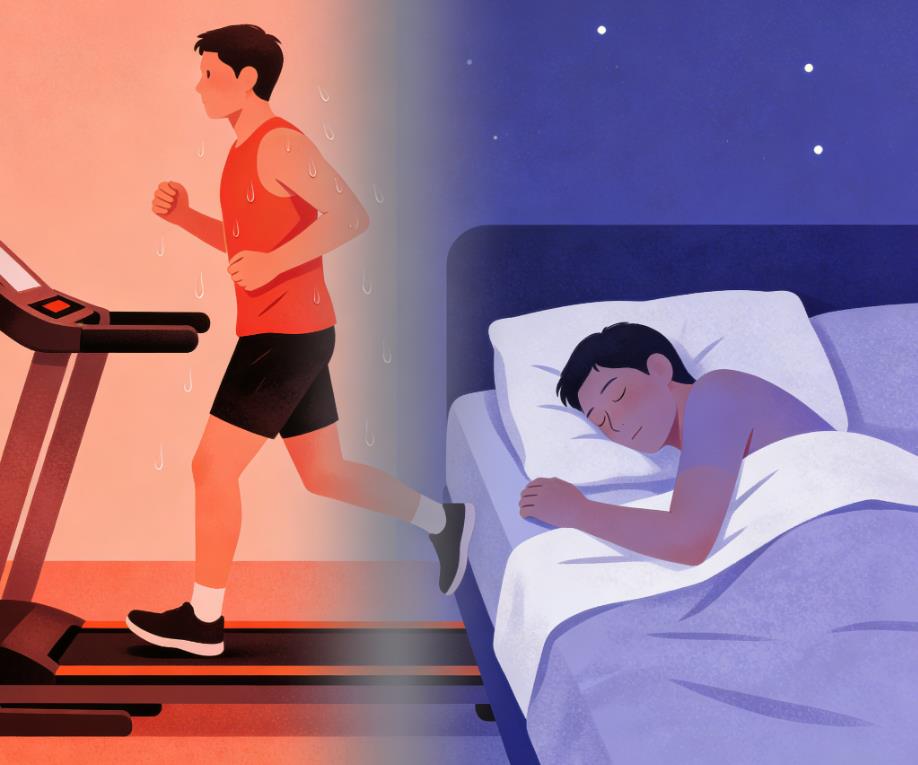
In the modern fitness and wellness landscape, athletes, fitness enthusiasts, and professionals chasing peak performance often encounter a curious paradox: the more they train, the more exhausted they feel. Despite meticulously tracking workouts, macros, and recovery metrics, energy levels sometimes decline and performance plateaus. This is not a reflection of lack of effort—it is a consequence of the intricate relationship between sleep, muscle recovery, energy metabolism, and overall physiological adaptation.
Sleep serves as a foundational pillar for recovery. It regulates hormonal balance, supports neuromuscular coordination, and facilitates metabolic processes necessary for energy replenishment. Without adequate and high-quality sleep, even the most disciplined training regimen may backfire, leaving individuals fatigued rather than energized. Understanding this sleep-exercise paradox requires a deep dive into sleep physiology, muscle repair mechanisms, and metabolic regulation.
This article explores how sleep affects exercise performance, why insufficient recovery can negate the benefits of intense training, and how athletes can optimize both sleep and workouts for sustainable results.
Sleep Architecture and Recovery Physiology
Sleep is not a uniform state; it consists of cyclical stages that serve distinct physiological functions. Light sleep facilitates initial relaxation and transition into restorative states. Deep sleep, also known as slow-wave sleep, is critical for growth hormone release, muscle repair, and tissue remodeling. REM sleep primarily supports cognitive recovery, memory consolidation, and emotional regulation. The quality and continuity of these stages dictate how effectively the body repairs and regenerates.
Sleep quality is as important as sleep duration. While getting the recommended hours of sleep is essential, fragmented or shallow sleep can significantly reduce restorative benefits. Athletes who experience disrupted sleep may feel well-rested superficially but still suffer from reduced recovery efficiency, hormonal imbalances, and elevated fatigue during training.
Sleep and Muscle Recovery
Deep sleep plays a crucial role in muscle repair through the secretion of growth hormone. Growth hormone promotes protein synthesis, collagen formation, and tissue repair, which are essential for adapting to training stress. Insufficient sleep diminishes these anabolic processes, slowing muscle recovery and reducing the effectiveness of workouts.
Chronic sleep restriction increases catabolic hormone levels such as cortisol, while reducing anabolic hormones like testosterone. This hormonal imbalance impairs muscle adaptation, increases perceived fatigue, and can even heighten the risk of injury. Furthermore, sleep deprivation negatively affects neuromuscular coordination, leading to weaker muscle activation and reduced power output. Even if muscles are physically capable, the nervous system may not coordinate movements efficiently, making workouts feel more strenuous.
Sleep, Energy Metabolism, and Exercise
Sleep and metabolism are closely linked. Inadequate sleep impairs insulin sensitivity, alters glucose metabolism, and disrupts appetite-regulating hormones, including ghrelin and leptin. This metabolic disruption can increase carbohydrate oxidation at rest and elevate fatigue during exercise. Sleep also plays a pivotal role in replenishing muscle glycogen stores, which provide the primary energy source for high-intensity workouts. Poor sleep leads to incomplete glycogen restoration, leaving muscles depleted and performance compromised.
The body’s ability to produce energy efficiently during exercise is tightly coupled with sleep-dependent recovery. Without sufficient deep and REM sleep, mitochondrial function may be impaired, reducing ATP production, and making even moderate-intensity workouts feel exhausting. This explains why individuals with poor sleep can train consistently yet fail to experience performance gains.
Circadian Rhythms, Exercise Timing, and Recovery
The timing of workouts can influence sleep quality and recovery. High-intensity training close to bedtime may delay sleep onset, elevate resting heart rate, and suppress parasympathetic nervous system activity, which is essential for relaxation and recovery. Conversely, moderate exercise earlier in the day can enhance sleep quality and align with circadian rhythms.
Athletes who disrupt their circadian rhythms through late-night workouts or irregular sleep schedules may experience delayed recovery, impaired hormonal balance, and reduced muscle adaptation. Aligning training intensity and timing with natural sleep-wake cycles optimizes recovery efficiency and enhances overall performance.
The Mechanisms Behind Increased Fatigue Despite Intense Training
Several physiological mechanisms explain why high training volumes can lead to increased fatigue:
- Overtraining without adequate sleep leads to a chronic inability to recover, manifested as persistent fatigue, plateaued performance, and heightened injury risk.
- Sleep deprivation shifts hormonal balance toward catabolism, reducing muscle protein synthesis while increasing stress hormones, which impedes adaptation.
- Neuromuscular efficiency declines with poor sleep, resulting in weaker muscle activation, reduced coordination, and higher perceived exertion during workouts.
- Metabolic processes, including glycogen replenishment and energy production, are compromised, making even familiar workouts feel more demanding.
Understanding these mechanisms highlights that fatigue is often a reflection of insufficient recovery biology rather than a lack of effort or discipline.
Optimizing Sleep to Enhance Training Outcomes
Prioritizing sleep as a core component of training is essential for sustainable performance gains. Effective strategies include:
Sleep Hygiene
Maintain consistent sleep schedules, optimize the sleep environment, and limit exposure to screens or bright light before bedtime. High-quality sleep supports hormonal regulation, neuromuscular efficiency, and energy metabolism.
Training Strategy
Resistance training improves sleep quality, particularly deep sleep, by enhancing growth hormone release and supporting tissue repair. Scheduling moderate-intensity workouts earlier in the day maximizes circadian alignment and recovery efficiency.
Nutrition Timing
Consuming adequate protein before sleep supports overnight muscle protein synthesis, aiding recovery and adaptation. Optimal protein intake of approximately 20–25 grams of high-quality protein before bedtime can enhance muscle repair, particularly when sleep duration is suboptimal.
Monitoring Recovery Metrics
Athletes should track heart rate variability, resting heart rate, perceived exertion, and subjective fatigue as indicators of recovery status. These metrics provide actionable insights into when additional sleep or reduced training intensity may be necessary.
The relationship between sleep and exercise is bidirectional and synergistic. While regular training can improve subjective sleep quality and circadian regulation, the benefits of exercise are fully realized only when accompanied by sufficient high-quality sleep. Chronic sleep deprivation undermines muscle repair, hormonal balance, metabolic efficiency, and neuromuscular coordination, creating the paradox where intense training results in greater fatigue.
Athletes and fitness enthusiasts should consider sleep as a central pillar of performance optimization. Aligning training intensity, timing, and nutrition with sleep physiology allows for sustainable improvements in strength, endurance, and overall energy levels. Recognizing sleep as a vital component of recovery transforms the approach to training, moving beyond sheer effort toward a holistic, science-based performance strategy.
By prioritizing sleep, monitoring recovery, and strategically scheduling workouts, athletes can break through fatigue plateaus, enhance performance, and achieve long-term health and fitness goals.



Leave a Reply