Have you ever stayed up late and found yourself sluggish the next day—no matter how much coffee you drink? Or noticed how even a small change in your routine can throw off your mood and energy levels?
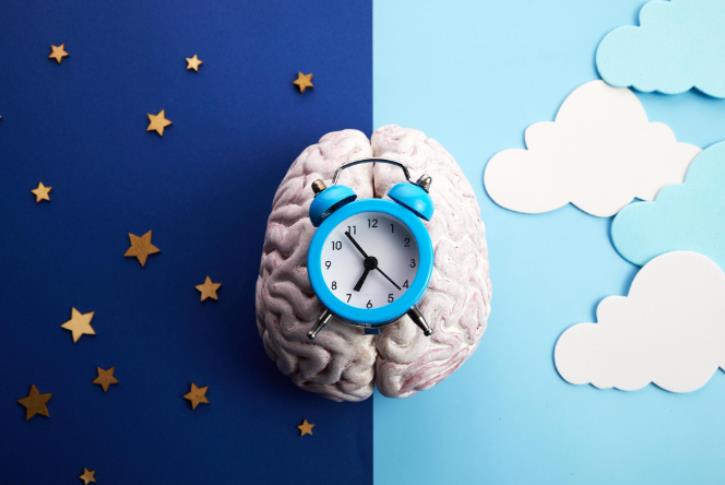
These everyday experiences are driven by your circadian rhythm—your body’s internal timing system that regulates sleep, hormones, metabolism, and more.
Understanding how this biological clock works isn’t just interesting science—it’s a powerful tool for improving your sleep, boosting productivity, and protecting long-term health. Let’s explore how circadian rhythms function, why they matter, and how you can align your lifestyle with them.
What Is the Circadian Rhythm?
Circadian rhythms are natural processes that operate on a roughly 24-hour cycle, primarily influenced by light and darkness. The term comes from the Latin circa diem, meaning “about a day.”
At the center of this system is the suprachiasmatic nucleus (SCN), a small region in the brain located in the hypothalamus. This “master clock” coordinates signals throughout the body, regulating key functions such as:
- Sleep and wake cycles
- Hormone production (including melatonin and cortisol)
- Body temperature
- Digestion and metabolism
Light is the most important external cue. In the morning, exposure to sunlight signals the brain to reduce melatonin (the sleep hormone) and increase cortisol, helping you feel alert. As evening approaches and light fades, melatonin levels rise, preparing your body for rest.
Why Circadian Rhythms Are Essential for Health
Circadian rhythms influence far more than sleep—they affect nearly every system in the body.
Sleep and Brain Function
When your sleep schedule is misaligned with your internal clock, sleep quality suffers. Over time, this can impair concentration, memory, and decision-making.
Research consistently shows that adults who get less than seven hours of sleep per night are more likely to experience cognitive decline and mood disturbances. For example, studies on shift workers reveal that chronic circadian disruption is linked to poorer memory performance and higher irritability.
Metabolism and Weight Regulation
Your metabolism follows a daily rhythm as well. Insulin sensitivity, digestion, and calorie processing are all more efficient during daylight hours.
Eating late at night can disrupt these processes. Even when calorie intake is the same, late eaters tend to show higher blood sugar levels and slower metabolic rates compared to those who eat earlier in the day. Over time, this pattern may increase the risk of weight gain and metabolic disorders.
Heart Health
Your cardiovascular system also operates on a circadian schedule. Blood pressure naturally rises during the day and falls at night.
When this rhythm is disrupted—due to irregular sleep or shift work—it can increase the risk of hypertension, heart disease, and stroke. Consistent sleep patterns help maintain this natural cycle and reduce strain on the heart.
Immune Function
The immune system is closely tied to circadian timing. Immune cells and inflammatory responses fluctuate throughout the day, meaning your body’s ability to fight infection depends in part on your internal clock.
Sleep deprivation weakens this system, making you more vulnerable to illness and slower to recover.
How Modern Life Disrupts Your Biological Clock
Despite its importance, the circadian system is easily thrown off by modern habits. Common disruptors include:
- Late-night screen use: Blue light suppresses melatonin production
- Shift work: Forces the body into unnatural sleep cycles
- Social jet lag: Sleeping late on weekends and waking early on weekdays
- Irregular eating patterns: Confuses metabolic timing
These disruptions don’t just cause fatigue—they can accumulate over time, contributing to chronic health problems.
How to Align Your Routine with Your Circadian Rhythm
The good news is that small, consistent changes can help reset and support your internal clock.
Keep a Consistent Sleep Schedule
Go to bed and wake up at the same time every day—even on weekends. Most adults need between 7 and 9 hours of sleep for optimal functioning.
Use Light to Your Advantage
Morning sunlight is one of the most powerful signals for regulating circadian rhythms. Try to get natural light exposure early in the day.
At night, reduce exposure to bright lights and screens. Using blue-light filters or dim lighting can help your body prepare for sleep.
Time Your Meals Wisely
Eating during daylight hours supports better metabolic function. Try to avoid large meals late at night, as they can interfere with both digestion and sleep quality.
Exercise Strategically
Physical activity helps regulate circadian rhythms, especially when done in the morning or early afternoon.
However, intense workouts late in the evening may make it harder to fall asleep.
Be Smart About Naps
Short naps (20–30 minutes) can improve alertness without affecting nighttime sleep. Longer or late-afternoon naps, however, may disrupt your sleep cycle.
Real-Life Patterns
Many high-performing individuals structure their routines around consistent daily rhythms:
- Former U.S. President Barack Obama maintained a stable sleep schedule despite demanding responsibilities.
- Apple CEO Tim Cook is known for waking up early, exercising, and starting his day before dawn.
- Studies show that college students with consistent sleep routines perform better academically and report lower stress levels.
These examples highlight a simple truth: consistency often matters more than perfection.
Circadian rhythms are not just about when you sleep—they are a fundamental part of how your body functions. From hormone regulation to metabolism and immune defense, your internal clock plays a central role in overall health.
In today’s always-on world, it’s easy to fall out of sync. But by making intentional choices—such as maintaining regular sleep times, getting morning sunlight, eating at appropriate hours, and structuring daily habits—you can work with your biology instead of against it.
Sometimes, the most powerful health strategy isn’t doing more—it’s simply timing things better.



Leave a Reply