
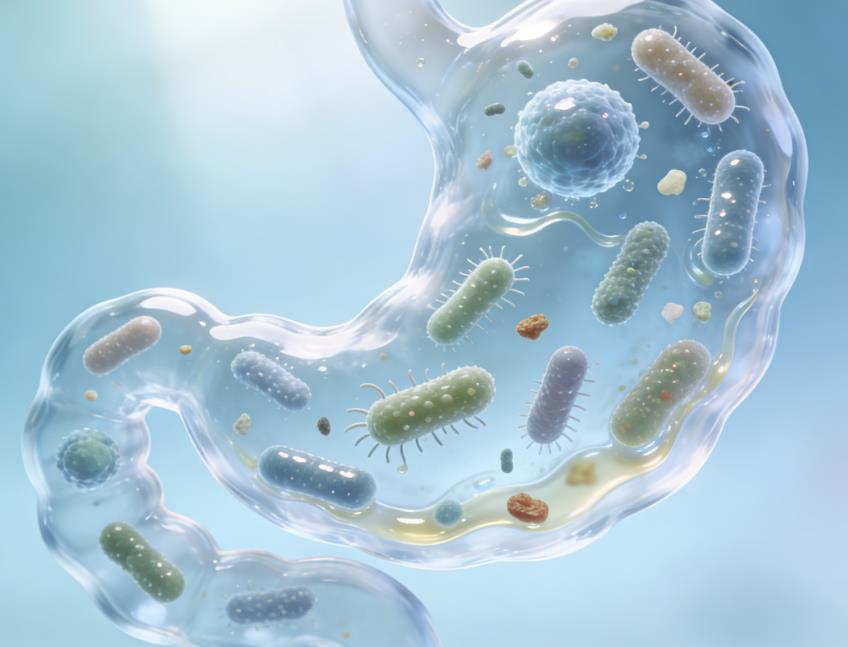
When we think about digestive health, it’s no longer just about the stomach or intestines. Increasingly, attention is turning to the gut microbiome — the vast community of microorganisms living inside our digestive tract. This ecosystem, composed of trillions of bacteria, viruses, and other microbes, lives in symbiosis with us, influencing not only digestion but overall health. Over the past decade, “gut microbiome” has gone from a scientific buzzword to a mainstream topic, yet it remains complex, evolving, and full of nuance.
In this article, we’ll explore how the human gut microbiome develops and functions, how it affects digestive and systemic health, what happens when it goes out of balance (dysbiosis), and practical ways — from diet to lifestyle — to support a healthier gut. Real-world cases and research evidence will illustrate both the potential and limitations of current knowledge.
Understanding the Human Gut Microbiome
One of the first surprises of gut-microbiome science is its scale. Research shows that bacteria in the gut outnumber human cells by roughly ten to one, and their collective genes exceed ours by more than 100-fold. In many ways, the gut behaves like a microbial organ.
In a healthy adult, two major bacterial groups dominate: Firmicutes and Bacteroidetes, with other phyla such as Actinobacteria, Proteobacteria, and Verrucomicrobia also present. Most individuals host over 1,000 distinct species in their gut. While the microbiome is relatively stable — one study found over 70% of gut bacteria remained consistent over a year — its composition is highly individualized and influenced by diet, environment, medications, and age.
Functionally, the gut microbiome plays crucial roles in:
- Digesting fiber and producing short-chain fatty acids (SCFAs) such as butyrate, acetate, and propionate.
- Synthesizing vitamins, including vitamin K and some B vitamins.
- Regulating immunity and gut barrier function, helping to prevent pathogens from entering the bloodstream.
- Communicating with the brain via the gut-brain axis, affecting mood, appetite, and gut motility.
In short, the gut microbiome is far from a passive passenger — it is an active partner in human physiology.
How the Gut Microbiome Supports Digestive Health
Fiber Fermentation and SCFA Production
Many fibers in our diet — resistant starches, inulin, and fructooligosaccharides — reach the large intestine largely undigested. There, gut bacteria ferment them into SCFAs, which fuel colon cells, strengthen the gut barrier, reduce inflammation, and influence energy and lipid metabolism. Essentially, our microbiome functions like a metabolic organ, helping our bodies extract and process nutrients efficiently.
Gut Barrier and Immune Function
The intestinal lining separates gut contents from the rest of the body. A healthy microbiome helps maintain this barrier by supporting mucus layers, tight junction proteins, and immune regulation. When the microbiome becomes unbalanced, the gut barrier can weaken, allowing microbial products to enter the body and trigger low-grade inflammation.
Gut-Brain Communication
The gut and brain communicate in both directions. Microbial metabolites such as SCFAs, tryptophan derivatives, and bile acids influence gut nerves and brain signaling. This interaction can affect gut motility, secretion, and even mood. Disruption of this communication may contribute to disorders like Irritable Bowel Syndrome (IBS).
Metabolic and Systemic Effects
While the gut is our focus, its influence extends throughout the body. Microbial metabolism affects glucose and lipid regulation, inflammation, and even cardiovascular health. Changes in gut composition may contribute to obesity, type 2 diabetes, non-alcoholic fatty liver disease (NAFLD), and heart disease.
When Things Go Wrong: Dysbiosis and Digestive Disorders
“Dysbiosis” refers to an imbalance in gut microbial communities — whether reduced diversity, loss of beneficial species, or overgrowth of harmful bacteria. It is linked to several digestive conditions:
IBS: Studies show that IBS patients often have reduced Bifidobacterium and Lactobacillus, increased Proteobacteria, and altered microbial diversity. Microbiome patterns may even predict how patients respond to dietary interventions like low-FODMAP diets.
Inflammatory Bowel Disease (IBD): Conditions like Crohn’s disease and ulcerative colitis exhibit lower abundance of anti-inflammatory microbes such as Faecalibacterium prausnitzii, reduced microbial richness, and changes in metabolite profiles.
Metabolic and liver-related digestive disorders: Dysbiosis may influence NAFLD, obesity, and insulin resistance through microbial metabolites that affect liver fat metabolism and inflammation.
Case Study: “Jane”
Jane, 42, experienced bloating, alternating constipation and diarrhea, and abdominal discomfort over 18 months. Her diet was low in fiber (~12 g/day) and high in processed foods. Microbiome testing revealed low Bifidobacterium and Faecalibacterium, high Enterobacteriaceae, and reduced SCFAs. By adopting a fiber-rich, plant-based diet, introducing probiotics, improving sleep, and reducing stress, she improved bowel regularity, lost 4 kg, and reduced bloating over six months.
What Does a Healthy Gut Look Like?
There is no single definition, but common features include:
- High microbial diversity and richness
- Presence of beneficial species like Faecalibacterium, Roseburia, Bifidobacterium, and Lactobacillus
- Functional output: adequate SCFAs, stable gut barrier, balanced bile acids
- Resilience: ability to recover from dietary changes, stress, or antibiotics
- Balanced host-microbe interactions with appropriate immune responses
Importantly, having a “healthy” microbiome does not guarantee symptom-free digestion, nor does a suboptimal microbiome always cause problems.
Influencing Your Gut Microbiome
Dietary choices
- Eat a variety of plant-based foods: whole grains, legumes, fruits, vegetables
- Increase fiber intake to recommended levels (~25–30 g/day)
- Reduce ultra-processed foods, added sugars, and excess saturated fats
Prebiotics, probiotics, and fermented foods
- Prebiotics feed beneficial bacteria
- Probiotics can help certain digestive conditions (e.g., IBS)
- Fermented foods like yogurt, kefir, kimchi, or sauerkraut may enhance diversity
Lifestyle factors
- Regular sleep and circadian alignment
- Stress management
- Physical activity to support microbial diversity and SCFA production
Medication and environment
- Antibiotics, NSAIDs, and other common drugs may alter microbiome composition
- Environmental exposures also play a role
Case Study Update: Jane
Jane increased fiber to ~30 g/day, added legumes and fermented yogurt, cut processed foods, improved sleep, and managed stress. Her SCFA levels increased, gut microbiome rhythms improved, and her symptoms subsided.
Evidence and Limitations
Research strongly links gut microbiome composition with digestive health, but causality is harder to prove. Observational studies and meta-analyses show associations between dysbiosis and IBS, IBD, NAFLD, and metabolic disorders. Intervention trials (diet, probiotics) show benefits, though results vary, and personalized responses are common.
Commercial stool tests are limited: they may show composition but often lack actionable diagnostic or predictive value. Fecal microbiota transplantation is proven for C. difficile infection but remains experimental for other digestive conditions.
Practical Interventions That Work
Effective approaches:
- Increase dietary fiber from diverse plant sources
- Reduce processed foods and sugar
- Include fermented foods and targeted probiotics where evidence supports
- Maintain good sleep, exercise regularly, eat on a consistent schedule, and manage stress
Less certain approaches:
- Generic probiotics without evidence for your condition
- Commercial microbiome tests without clinical validation
- Fecal transplants outside approved indications
Challenges and Future Directions
Key challenges include defining a “healthy” microbiome, proving causality, standardizing interventions, and translating findings into personalized therapies. Future directions may include:
- Longitudinal multi-omics studies tracking microbiome changes over time
- Precision nutrition based on individual microbiome profiles
- Microbial metabolite therapeutics (“postbiotics”)
- Clinically validated microbiome tests for digestive disorders
Takeaways
The gut microbiome is a vital partner in digestive health. While we can’t rely on it as a cure-all, we can nurture it through diet, lifestyle, and evidence-based interventions.
- Focus on functional outcomes (symptoms, regularity, well-being) over microbiome scores
- Combine diet, lifestyle, and targeted probiotics rather than seeking a single fix
- Prioritize diverse plant-based foods, adequate fiber, fermented foods, sleep, exercise, and stress management
By understanding and supporting the gut microbiome, we can take a holistic and informed approach to digestive health — turning emerging science into practical, everyday strategies.


Leave a Reply