
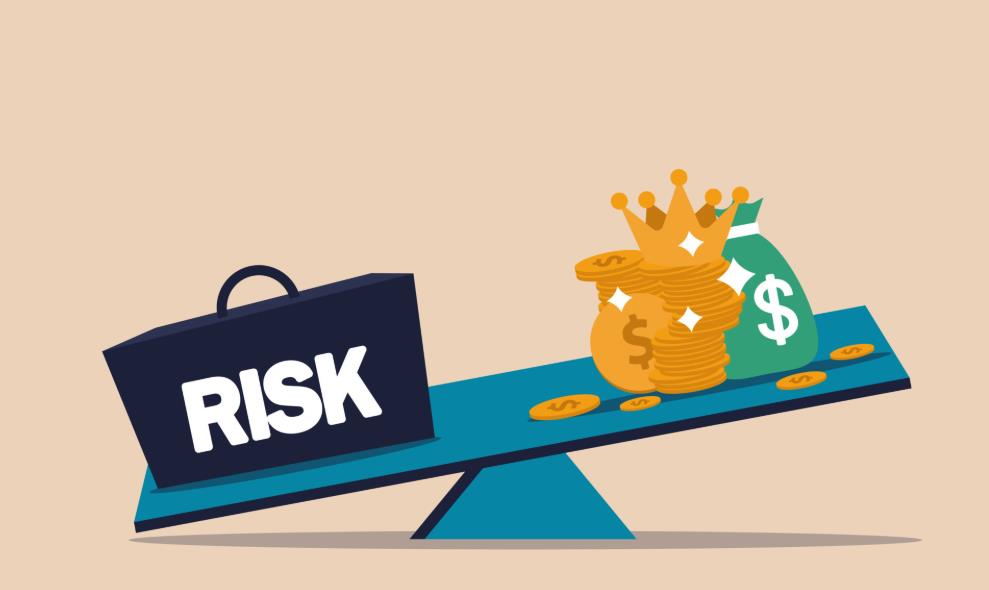
The video game industry has evolved far beyond entertainment, transforming into a multibillion-dollar virtual economy where players can generate real-world value from in-game activities. In 2026, the market for virtual assets within games is projected to surpass $30 billion, highlighting the growing intersection of gaming and finance. From NFT gaming and play-to-earn models to virtual real estate, the digital gaming economy offers investors unique opportunities—but also carries significant risks.
This article explores how virtual assets in games can connect to real-world investments, examining the value of in-game currencies, NFT-based games, virtual property, and the volatility of virtual economies compared to traditional financial markets.
Understanding In-Game Currencies and Their Real-World Value
In-game currencies like Gold in MMORPGs, V-Bucks in Fortnite, and Robux in Roblox have become increasingly important in virtual economies. These currencies allow players to purchase digital items, skins, or upgrades, but can they be converted into real-world money?
Real-World Conversion
- Some games provide official avenues to cash out virtual currency. For example, Roblox allows creators to exchange Robux earned through game development for USD via the Developer Exchange program.
- In most MMORPGs or free-to-play games, in-game currencies cannot be legally exchanged for cash, although secondary markets sometimes emerge.
- Investors should consider exchange restrictions, transaction fees, and potential legal implications before evaluating virtual currency as an asset.
Economic Principles Within Games
- Scarcity and inflation: Game developers can control currency supply, affecting the value of assets within the game.
- Demand-driven appreciation: Rare items or limited-time currencies often appreciate, offering potential investment returns for early adopters.
- Volatility: Game updates or policy changes can quickly impact in-game currency value, creating risk similar to cryptocurrency volatility.
Investor Insight: Understanding in-game economies is essential for assessing potential returns, as ARPU (Average Revenue Per User) and player engagement often determine how valuable virtual assets can become.
NFT Games and Play-to-Earn Models
The emergence of NFT gaming and play-to-earn (P2E) models has created new investment opportunities in the gaming sector. Platforms like Axie Infinity, The Sandbox, and Illuvium allow players to earn cryptocurrency or trade non-fungible tokens (NFTs) for real money.
Investment Opportunities
- Digital Collectibles: Rare NFT characters, skins, or items can appreciate significantly in value, providing early investors with high returns.
- Virtual Land: Sandbox and Decentraland have made virtual real estate tradeable on blockchain marketplaces, creating a new asset class for investors.
- Tokenized Rewards: Play-to-earn models allow gamers to earn tokens or cryptocurrency based on in-game achievements, which can be converted to fiat currency.
Potential Risks
- Market Speculation: NFT gaming markets are highly speculative, with values often driven by hype rather than fundamentals.
- Project Longevity: P2E games may lose players quickly, reducing demand for in-game assets and lowering their market value.
- Regulatory Uncertainty: Governments are increasingly scrutinizing cryptocurrency-based gaming, which could impact trading or cash-out options.
Investor Tip: Focus on games with active communities, transparent tokenomics, and reputable developers to mitigate risk in NFT gaming investments.
Virtual Real Estate and Digital Property Investment
Virtual property has emerged as a significant component of the gaming economy, blurring the line between gaming and traditional investment markets.
Virtual Real Estate Opportunities
- Platforms such as Decentraland and The Sandbox allow players to purchase, sell, and lease virtual land. Investors can earn returns through virtual advertising, in-game events, or leasing plots to other players.
- Premium virtual locations or limited plots have appreciated dramatically in value, attracting both gamers and cryptocurrency investors.
In-Game Item Investment
- Rare digital items, weapons, or skins in games like Fortnite, CS:GO, and World of Warcraft can be traded for cryptocurrency or fiat money.
- Early adopters often benefit from scarcity-driven appreciation, similar to collectibles in the traditional market.
Risks to Consider
- Platform Dependency: Value is contingent on the game’s popularity; if the platform declines, asset value may collapse.
- Security Risks: Hacked accounts or compromised marketplaces can result in permanent loss of digital assets.
- Liquidity Constraints: Unlike traditional markets, virtual assets may not always be easily sold without significant price discounts.
Investor Insight: Treat virtual real estate and in-game collectibles as high-risk, high-reward speculative assets, akin to cryptocurrency trading or venture capital investments.
Comparing Virtual Economies with Traditional Financial Markets
While virtual assets can generate impressive returns, they also differ significantly from conventional investments:
- Volatility: Virtual assets often experience more extreme price swings than stocks or real estate. NFT game tokens can gain or lose 50% of value in a single day.
- Market Drivers: Traditional markets are influenced by macroeconomic trends, corporate earnings, and regulatory policies, whereas virtual economies are driven by player engagement, platform updates, and digital scarcity.
- Risk-Reward Profiles: High potential returns attract speculative investors, but volatility and regulatory uncertainty make virtual assets unsuitable for conservative portfolios.
| Feature | Virtual Assets | Traditional Stocks |
|---|---|---|
| Volatility | Very High | Moderate |
| Regulation | Emerging/Uncertain | Well-Established |
| Liquidity | Often Limited | High |
| Drivers | Player behavior, scarcity, hype | Earnings, economic indicators, fundamentals |
Investor Takeaway: Virtual assets are complementary to traditional portfolios but should not replace well-diversified investments. They are best approached with a small allocation and rigorous risk management.
Investment Strategies for Virtual Assets
- Start Small: Allocate only a portion of your portfolio to virtual assets or NFT gaming investments.
- Diversify Across Platforms: Spread investments across multiple games, NFT projects, and token types to reduce concentration risk.
- Evaluate Communities: Games with active communities tend to maintain asset value longer.
- Monitor Market Trends: Stay informed about regulatory developments, new platform launches, and token economics.
- Focus on Long-Term Potential: Favor projects with clear roadmaps, experienced developers, and sustainable revenue models.
Warning: The virtual asset market is speculative. Only invest what you are willing to lose, and always conduct due diligence before committing funds.
The virtual economy within video games represents a revolutionary intersection of gaming, finance, and blockchain technology. With opportunities in NFT gaming, play-to-earn models, and virtual real estate, players and investors can monetize digital activities in unprecedented ways. However, these markets are highly speculative and require careful evaluation of community engagement, platform stability, and regulatory factors.
By understanding the principles of virtual asset valuation, managing risk, and applying traditional investment discipline to the digital sphere, investors can capitalize on the explosive growth of the gaming economy while avoiding the pitfalls of hype-driven speculation.



Leave a Reply