Have you ever noticed how staying up late can leave you feeling groggy and unfocused the next day, no matter how much coffee you drink? Or how a sudden change in your work schedule can disrupt your mood and energy? These experiences are deeply connected to something called circadian rhythms—the body’s internal clock that governs our sleep-wake cycles, hormone release, metabolism, and overall health.
Understanding circadian rhythms isn’t just for scientists—it’s essential for anyone who wants to optimize their energy, mood, and long-term well-being. In this article, we’ll explore how circadian rhythms work, why they matter for sleep and daily routines, and how practical lifestyle adjustments can help you align with your natural biological clock.
What Are Circadian Rhythms?
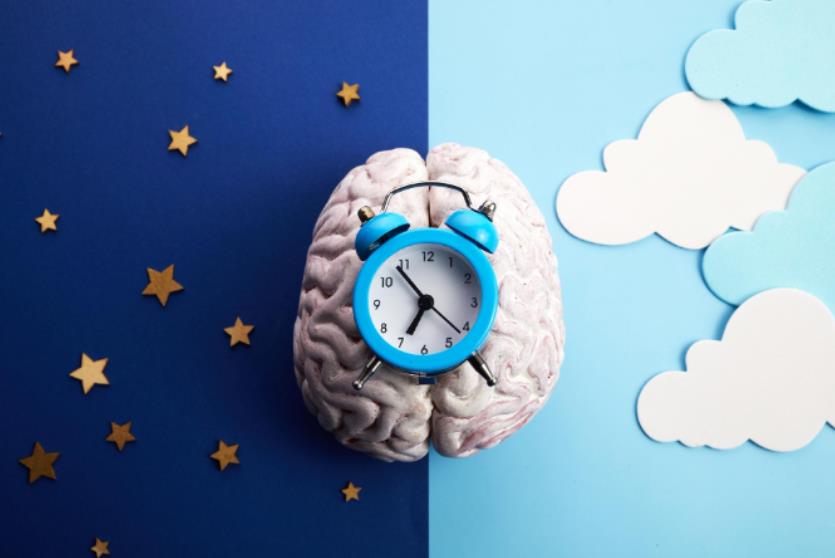
Circadian rhythms are natural, internal processes that follow roughly a 24-hour cycle, responding primarily to light and darkness in our environment. The term “circadian” comes from the Latin circa diem, meaning “about a day.” These rhythms are controlled by a master clock in the brain called the suprachiasmatic nucleus (SCN), located in the hypothalamus. The SCN communicates with other parts of the brain and organs to regulate functions like:
- Sleep-wake cycles
- Hormone release (e.g., melatonin and cortisol)
- Body temperature
- Digestion and metabolism
Light exposure plays a crucial role. In the morning, sunlight triggers the SCN to suppress melatonin, the hormone that makes you sleepy, while increasing cortisol, the hormone that helHave you ever noticed how staying up late can leave you feeling groggy and unfocused the next day, no matter how much coffee you drink? Or how a sudden change in your work schedule can disrupt your mood and energy? These experiences are deeply connected to something called circadian rhythms—the body’s internal clock that governs our sleep-wake cycles, hormone release, metabolism, and overall health.
Understanding circadian rhythms isn’t just for scientists—it’s essential for anyone who wants to optimize their energy, mood, and long-term well-being. In this article, we’ll explore how circadian rhythms work, why they matter for sleep and daily routines, and how practical lifestyle adjustments can help you align with your natural biological clock.
What Are Circadian Rhythms?
Circadian rhythms are natural, internal processes that follow roughly a 24-hour cycle, responding primarily to light and darkness in our environment. The term “circadian” comes from the Latin circa diem, meaning “about a day.” These rhythms are controlled by a master clock in the brain called the suprachiasmatic nucleus (SCN), located in the hypothalamus. The SCN communicates with other parts of the brain and organs to regulate functions like:
- Sleep-wake cycles
- Hormone release (e.g., melatonin and cortisol)
- Body temperature
- Digestion and metabolism
Light exposure plays a crucial role. In the morning, sunlight triggers the SCN to suppress melatonin, the hormone that makes you sleepy, while increasing cortisol, the hormone that helHave you ever noticed how staying up late can leave you feeling groggy and unfocused the next day, no matter how much coffee you drink? Or how a sudden change in your work schedule can disrupt your mood and energy? These experiences are deeply connected to something called circadian rhythms—the body’s internal clock that governs our sleep-wake cycles, hormone release, metabolism, and overall health.
Understanding circadian rhythms isn’t just for scientists—it’s essential for anyone who wants to optimize their energy, mood, and long-term well-being. In this article, we’ll explore how circadian rhythms work, why they matter for sleep and daily routines, and how practical lifestyle adjustments can help you align with your natural biological clock.
What Are Circadian Rhythms?
Circadian rhythms are natural, internal processes that follow roughly a 24-hour cycle, responding primarily to light and darkness in our environment. The term “circadian” comes from the Latin circa diem, meaning “about a day.” These rhythms are controlled by a master clock in the brain called the suprachiasmatic nucleus (SCN), located in the hypothalamus. The SCN communicates with other parts of the brain and organs to regulate functions like:
- Sleep-wake cycles
- Hormone release (e.g., melatonin and cortisol)
- Body temperature
- Digestion and metabolism
Light exposure plays a crucial role. In the morning, sunlight triggers the SCN to suppress melatonin, the hormone that makes you sleepy, while increasing cortisol, the hormone that helps you feel alert. In the evening, darkness signals your body to release melatonin and prepare for sleep.
Why Circadian Rhythms Matter for Health
Research over the past few decades has revealed that circadian rhythms are not just about feeling sleepy or awake—they impact nearly every aspect of physical and mental health. Here’s how:
Sleep Quality and Cognitive Function
Poor alignment between your circadian rhythm and your sleep schedule can lead to sleep deprivation, which affects concentration, memory, and decision-making. Studies have shown that adults who regularly sleep fewer than seven hours per night are at higher risk for impaired cognitive performance and mood disorders.
Case example: In a 2019 study published in Sleep Health, researchers followed shift workers who experienced chronic misalignment between their work schedules and natural sleep-wake cycles. The study found that these workers scored lower on memory tests and reported higher levels of irritability compared to day-shift workers.
Metabolism and Weight Management
Circadian rhythms also influence metabolic processes, including insulin sensitivity, digestion, and appetite regulation. Eating at times that conflict with your natural rhythm can disrupt metabolism, potentially leading to weight gain and increased risk of type 2 diabetes.
Example: A study in Cell Metabolism (2017) found that participants who ate late at night had higher blood sugar levels and slower metabolism than those who ate during daytime hours, even when caloric intake was the same.
Cardiovascular Health
Irregular sleep-wake patterns and circadian misalignment are associated with higher risks of hypertension, heart disease, and stroke. The body’s cardiovascular system follows circadian patterns, with blood pressure peaking during the day and dropping at night. Disruptions in this rhythm can strain the heart and blood vessels.
Immune System Function
Your immune system also follows circadian patterns. For instance, white blood cell activity and inflammatory responses vary throughout the day. Sleep deprivation can impair immune response, making you more susceptible to infections.
Modern Lifestyle vs. Natural Circadian Rhythms
Despite the importance of circadian rhythms, modern lifestyles often conflict with our natural biological clocks. Common culprits include:
- Late-night screen exposure: Blue light from phones and computers suppresses melatonin production.
- Shift work: Working nights or rotating shifts disrupts sleep-wake cycles.
- Social jetlag: Staying up late on weekends and sleeping in disrupts the body’s regular rhythm.
- Irregular meal times: Eating late or skipping meals confuses metabolic rhythms.
These disruptions can accumulate, leading to chronic fatigue, poor mood, and long-term health issues.
Practical Strategies to Align with Your Circadian Rhythm
Fortunately, there are practical ways to support your biological clock:
Prioritize Consistent Sleep
- Go to bed and wake up at the same time every day, even on weekends.
- Adults typically need 7–9 hours of sleep per night.
Optimize Light Exposure
- Get natural sunlight in the morning to signal alertness.
- Reduce exposure to bright screens and artificial light at night. Consider blue-light filters or glasses.
Time Your Meals Strategically
- Align meals with daylight hours when metabolism is more efficient.
- Avoid heavy late-night eating, which can interfere with sleep and glucose regulation.
Exercise at the Right Time
- Morning or early afternoon exercise can help regulate circadian rhythms.
- Avoid intense workouts too close to bedtime, as they may interfere with sleep onset.
Naps and Recovery
- Short naps (20–30 minutes) can boost alertness without disrupting nighttime sleep.
- Avoid long or late-afternoon naps.
Real-Life Examples
Many successful individuals leverage circadian rhythms to maximize productivity and health:
- Barack Obama reportedly slept around 6 hours per night but maintained a consistent bedtime and morning routine, helping him manage high-stress work.
- Tim Cook, Apple’s CEO, wakes up around 3:45 a.m. daily, exercises, and starts work early, aligning his schedule with his peak morning energy.
- Research on college students shows that those who maintain consistent sleep-wake times perform better academically and report lower stress levels.
Circadian rhythms are more than just a sleep timer—they orchestrate nearly every aspect of our physiology, from hormone secretion to metabolism and immune function. Modern life often challenges these natural rhythms, but by understanding and respecting your body’s internal clock, you can improve sleep quality, cognitive performance, and overall health.
Small, practical changes—like maintaining consistent sleep times, exposing yourself to morning sunlight, timing meals appropriately, and scheduling exercise wisely—can help you harness the power of your circadian rhythm. In a world that never sleeps, aligning with your biological clock might be one of the most impactful steps toward long-term well-being.


Leave a Reply