
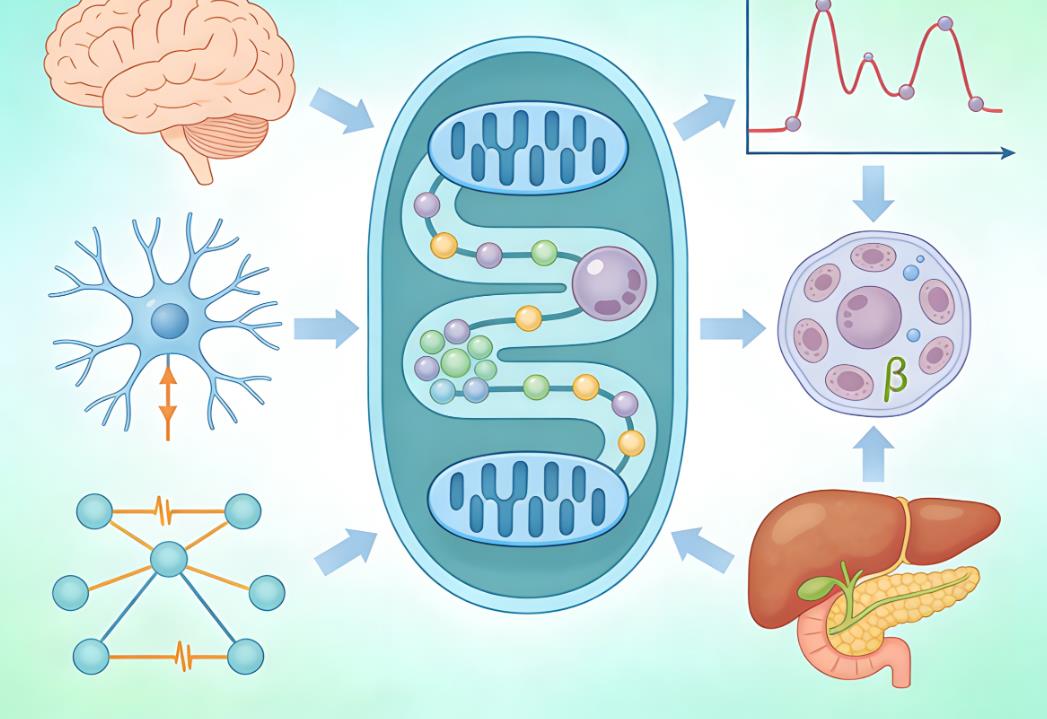
Intermittent fasting (IF) — the practice of alternating periods of eating and fasting — has evolved from a niche wellness trend into a widely adopted nutritional strategy. Popular protocols such as 16/8 time-restricted eating, the 5:2 fasting model, and alternate-day fasting are now frequently implemented in both clinical practice and personal health routines. Advocates claim benefits ranging from fat loss and improved energy to enhanced cognitive performance, but what does the science actually say? Understanding the evidence requires looking beyond marketing slogans and examining the latest research in metabolism, endocrinology, and behavioral nutrition.
Intermittent fasting differs from traditional calorie restriction because it emphasizes the timing of food intake rather than strictly reducing calories daily. By cycling between fasting and feeding periods, the body undergoes metabolic shifts that may influence energy utilization, hormone regulation, and even cellular repair mechanisms. These effects have implications for weight management, blood sugar control, and brain function, making IF a subject of increasing interest among researchers, clinicians, and biohackers alike.
The evidence base has expanded rapidly, with randomized controlled trials and systematic reviews shedding light on the physiological impacts of fasting. Understanding these findings can help individuals and practitioners make informed decisions about which fasting method, if any, is appropriate based on metabolic health, lifestyle, and personal goals.
Understanding Intermittent Fasting and Its Mechanisms
Intermittent fasting generally involves structured periods without caloric intake. Common models include time-restricted eating, such as the 16/8 schedule, where food is consumed during an eight-hour window and fasting occurs for the remaining sixteen hours. The 5:2 model allows normal eating five days per week, paired with two days of significant caloric restriction. Alternate-day fasting alternates days of normal intake with complete or near-complete fasting.
The physiological premise of IF is that prolonged fasting periods trigger metabolic responses that extend beyond simple calorie reduction. During fasting, the body transitions from using glucose as the primary fuel to burning fatty acids and producing ketone bodies, a state often called metabolic switching. This shift can improve metabolic flexibility, the body’s ability to adaptively use different energy substrates depending on availability and demand.
Fasting also influences hormone regulation, including reductions in insulin levels and improvements in insulin sensitivity, while affecting appetite-related hormones such as ghrelin and leptin. Cellular processes such as autophagy — the recycling of damaged cellular components — may be enhanced during fasting, potentially supporting tissue maintenance and mitigating oxidative stress. Although much of the detailed autophagy research comes from animal models, emerging human studies suggest similar pathways are activated under controlled fasting conditions.
Evolutionary biology provides additional context. Human ancestors experienced intermittent periods of feast and famine, which may have shaped our metabolic and hormonal adaptations. Modern intermittent fasting protocols mimic these ancestral patterns, attempting to optimize metabolism and support long-term health outcomes.
Metabolic Effects and Weight Management
Intermittent fasting has gained attention primarily for its potential effects on body composition and metabolic health. Clinical studies indicate that IF can produce modest weight loss, typically ranging from two to five kilograms over several weeks to months. Improvements in BMI and waist circumference are also commonly reported. Some evidence suggests fasting may positively influence lipid profiles, including reductions in LDL cholesterol, though findings for triglycerides are mixed.
Despite these outcomes, comparisons between IF and traditional calorie-restricted diets reveal that fasting does not consistently outperform standard approaches. Weight loss appears largely mediated by overall energy reduction rather than unique metabolic adaptations specific to fasting. In other words, IF is a viable method for achieving a caloric deficit, but its superiority over conventional diets remains modest.
Metabolic flexibility — the body’s ability to efficiently switch between glucose and fat oxidation — is a notable benefit observed with intermittent fasting. Time-restricted eating protocols, especially 16/8 schedules, have been associated with increased fat oxidation during fasting periods and reductions in systemic inflammation markers. Hormonal responses, including lowered fasting insulin and improved satiety regulation, may further support weight management and metabolic health. Individual variability remains significant, however, with factors such as baseline insulin sensitivity, sleep patterns, and activity levels influencing outcomes.
Comparing Fasting Protocols
Time-restricted eating, particularly the 16/8 method, is the most widely studied and considered sustainable for most people. It allows for a daily fasting window aligned with circadian rhythms, which may enhance glycemic control and improve overall metabolic function. The 16/8 protocol is generally easier to integrate into daily routines and can be combined with nutrient-dense diets for enhanced benefits.
The 5:2 model provides flexibility, allowing normal eating on most days while creating two days of caloric deficit. Studies indicate that this pattern can produce similar weight loss and metabolic improvements as daily time-restricted eating, while being socially convenient for individuals who prefer fewer restrictions during most days of the week. Research also suggests potential cognitive benefits in older adults, particularly improvements in memory and executive function.
Alternate-day fasting creates a more pronounced caloric deficit but may be less sustainable due to the difficulty of fasting every other day. It can result in greater short-term weight loss and metabolic changes, but adherence often declines over time, limiting long-term effectiveness. Success with any fasting method depends heavily on individual lifestyle, preferences, and capacity to maintain consistency.
Glycemic Regulation and Cardiometabolic Health
One of the most clinically relevant benefits of intermittent fasting is its impact on blood sugar control. IF has been shown to reduce fasting glucose levels, improve insulin sensitivity, and lower HOMA-IR in populations at risk for metabolic disorders. Individuals with prediabetes or insulin resistance often experience measurable improvements in glycemic markers when practicing fasting protocols like 16/8 or 5:2, sometimes approaching the benefits achieved through pharmacological interventions.
Fasting may also modestly improve blood pressure, lipid profiles, and systemic inflammation markers, contributing to reduced cardiometabolic risk. However, studies often vary in duration and sample size, making it difficult to draw definitive conclusions about long-term cardiovascular outcomes. Contextual factors, including circadian rhythm alignment and lifestyle consistency, appear to influence the degree of metabolic benefit.
Energy, Cognitive Function, and Subjective Experience
Beyond metabolic health, many individuals practice intermittent fasting for enhanced energy and cognitive performance. Anecdotal reports describe improved mental clarity, sustained focus, and reduced mid-day energy crashes during fasting windows. These effects may be related to ketone production and more stable blood glucose levels, though evidence is not universally consistent.
Clinical studies on cognition are limited but suggest potential benefits. Research involving older adults with insulin resistance indicates that intermittent fasting can improve memory and executive function relative to control diets. However, these findings are preliminary, and long-term effects on cognitive aging or neurodegenerative disease risk remain uncertain.
Individual responses vary considerably. Some may experience fatigue, irritability, or difficulty concentrating, particularly in early adaptation phases. Proper hydration, nutrient intake during feeding windows, and alignment with circadian rhythms can mitigate these effects.
Practical Considerations and Personalized Nutrition
Intermittent fasting is not a one-size-fits-all approach. Factors influencing efficacy include metabolic health, sleep quality, physical activity, and dietary quality during eating windows. Proper nutrient intake remains essential to support energy, cognitive function, and overall health.
Certain populations should approach IF with caution. These include individuals with a history of disordered eating, pregnant or breastfeeding women, children and adolescents, and individuals with specific metabolic or endocrine disorders. Clinical guidance can help tailor fasting protocols to minimize risk and optimize outcomes.
Sustainability is key. Time-restricted eating and moderate fasting schedules like 5:2 are generally easier to maintain over months or years, while more extreme protocols may result in poor adherence or negative physiological effects if not carefully managed.
Intermittent fasting represents a scientifically grounded approach to nutrition, leveraging the timing of food intake to induce metabolic and hormonal adaptations. Evidence supports its effectiveness for modest weight loss, improved insulin sensitivity, and potential cognitive benefits. The most sustainable and widely studied approaches are 16/8 time-restricted eating and the 5:2 model, both of which balance metabolic impact with lifestyle feasibility.
While IF is not a panacea, it offers a flexible framework for those seeking structured dietary patterns that align with metabolic health. Successful implementation requires attention to dietary quality, circadian alignment, and individual variability in response. For clinicians and health professionals, IF should be considered as one tool among many in a personalized nutrition strategy aimed at long-term health and well-being.


Leave a Reply