
Why Emotional Intelligence Is So Important
Picture a leader who senses tension in a meeting before conflict erupts, or a parent who stays calm during a child’s meltdown and responds with patience instead of frustration. What differentiates these individuals isn’t just experience or raw intelligence—it’s Emotional Intelligence (EQ). Popularized by psychologist Daniel Goleman, EQ refers to the capacity to recognize, interpret, and regulate our own emotions while also understanding and influencing the emotions of others.
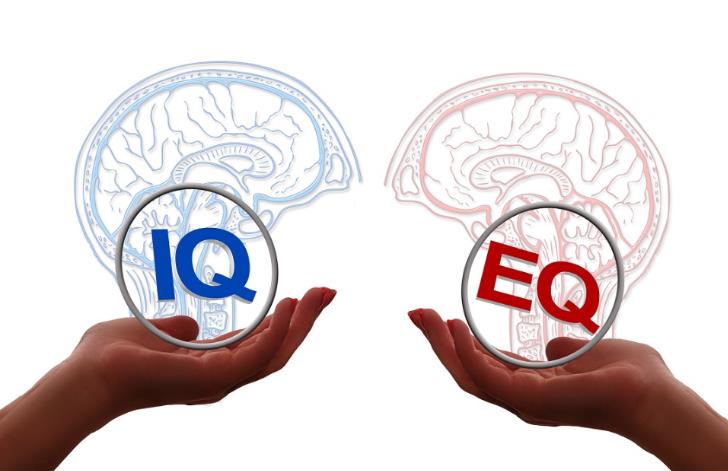
Unlike IQ, which tends to remain relatively stable over time, EQ is flexible and can be developed through consistent effort. Goleman outlines five essential dimensions: self-awareness, self-regulation, social awareness, relationship management, and intrinsic motivation. Together, these competencies shape how we navigate relationships, make decisions, and handle stress.
Research shows that individuals with higher EQ often experience stronger relationships, improved mental well-being, and greater professional success. A well-known example is Oprah Winfrey, whose ability to connect deeply with others highlights how emotional understanding can drive influence and impact.
The Neuroscience of Emotional Intelligence
Advances in neuroscience help explain why EQ can be trained. The prefrontal cortex—responsible for reasoning, planning, and self-control—works in tandem with the amygdala, which detects emotional stimuli and triggers responses. Strengthening this connection allows individuals to respond thoughtfully rather than react impulsively.
Another key mechanism involves mirror neurons, which enable us to internally simulate and understand others’ emotions. This biological foundation explains why empathy is not just a personality trait but a skill that can be cultivated.
Empirical research supports this. Programs focused on emotional awareness and regulation have demonstrated measurable improvements in stress resilience and communication. Organizational studies also show that teams with higher average EQ tend to collaborate more effectively and achieve better outcomes.
Core EQ Skills and How to Build Them
Self-Awareness
Self-awareness is the cornerstone of emotional intelligence. It involves recognizing your emotional patterns, triggers, and habitual responses.
A simple way to build this skill is through daily reflection. Writing down moments of strong emotion—what happened, how you felt, and why—can reveal patterns over time. Even leaders like Bill Gates have emphasized reflection as a tool for better decision-making.
Self-Management
Once you recognize your emotions, the next step is managing them effectively—especially under pressure.
Practical techniques include:
- Slow, controlled breathing to calm physiological responses
- Pausing before reacting to avoid impulsive decisions
- Reframing challenges as opportunities for growth
A quick reset exercise can help: recall a stressful moment, take several deep breaths, and ask yourself how you could respond more constructively next time.
Social Awareness
Social awareness is the ability to perceive and understand others’ emotions. It requires attention, curiosity, and empathy.
You can strengthen this by:
- Practicing active listening without interrupting
- Observing tone, facial expressions, and body language
- Asking thoughtful, open-ended questions
For example, Angela Merkel is often recognized for her ability to read subtle social cues and adjust her communication style accordingly.
Relationship Management
This dimension reflects how effectively you handle interpersonal interactions. It includes conflict resolution, communication, and trust-building.
Key practices include:
- Offering constructive and respectful feedback
- Addressing disagreements calmly and directly
- Building rapport through consistency and empathy
Strong relationship management transforms individual EQ into collective success.
Intrinsic Motivation
People with high EQ are often driven by internal values rather than external rewards. They pursue goals aligned with personal meaning and long-term growth.
To cultivate intrinsic motivation:
- Set clear, meaningful personal goals
- Maintain a constructive inner dialogue
- Recognize and celebrate incremental progress
Practical Ways to Strengthen EQ Daily
Improving emotional intelligence doesn’t require dramatic changes—small, consistent habits are far more effective.
- Daily reflection: Spend a few minutes reviewing emotional reactions and identifying patterns
- Perspective-taking: Regularly imagine situations from others’ viewpoints
- Stress toolkit: Prepare go-to strategies such as breathing exercises, short walks, or mindfulness apps
- Active listening practice: Focus fully on others without planning your response
Research consistently shows that structured EQ training can significantly enhance emotional competencies over time, reinforcing the idea that these skills are learnable.
Turning EQ Into a Lifelong Habit
Developing EQ is an ongoing process rather than a one-time effort. Progress comes from repeated, intentional practice.
Start with manageable steps:
- Keep a simple emotion journal
- Practice mindfulness for a few minutes each day
- Pause and reflect before responding in difficult moments
- Engage in conversations with genuine curiosity and empathy
A strong real-world example is Satya Nadella, who reshaped Microsoft’s culture by prioritizing empathy, learning, and self-awareness. His leadership demonstrates how emotional intelligence can influence not just individuals, but entire organizations.
Key Insights to Remember
- Emotional intelligence is not fixed—it can be developed
- Self-awareness is the foundation of all other EQ skills
- Empathy and social understanding strengthen relationships
- Consistent small habits lead to meaningful long-term growth
Emotional Intelligence is a powerful, trainable set of skills that influences nearly every aspect of life—from relationships and career success to mental resilience and overall well-being. By combining scientific understanding with practical strategies like reflection, mindfulness, and empathy-building, anyone can improve their EQ over time.
Change doesn’t happen overnight, but steady effort leads to lasting transformation. Begin with awareness, practice intentional responses, and stay consistent. Over time, these small shifts will shape how you think, feel, and connect—with benefits that extend far beyond yourself.



Leave a Reply