
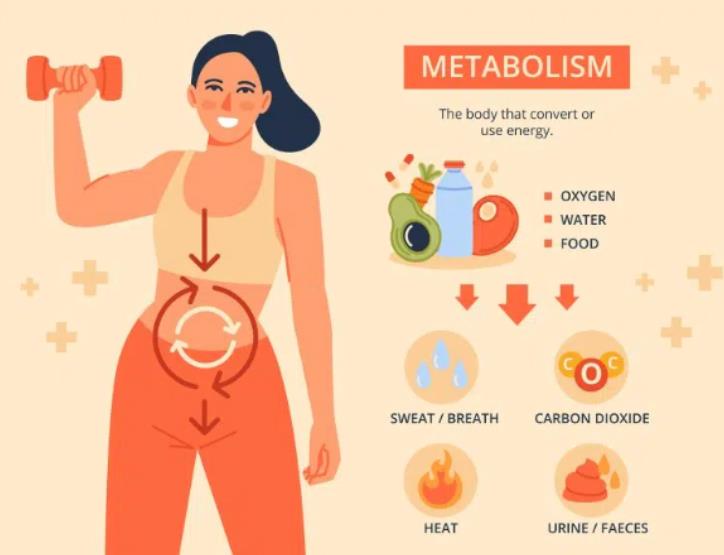
That subtle yet unmistakable sense of energy you feel after a workout is not merely psychological. Beneath the surface, your body is undergoing a series of complex biochemical and cellular changes that directly influence how efficiently you produce and use energy. At the center of this transformation are mitochondria, often referred to as the “powerhouses” of the cell. These tiny organelles are responsible for generating adenosine triphosphate (ATP), the molecule that fuels nearly every biological process in the human body.
Understanding how exercise shapes mitochondrial function offers a deeper perspective on why physical activity is so essential—not just for athletic performance, but for metabolic health, disease prevention, cognitive function, and even longevity. Far from being a simple calorie-burning activity, exercise acts as a powerful signal that reshapes cellular infrastructure, making your body more efficient, resilient, and adaptable.
The Foundations of Energy Metabolism
Every action your body performs requires energy. From involuntary processes like breathing and circulation to voluntary movements like walking or lifting weights, ATP is constantly being produced and consumed. Because ATP cannot be stored in large quantities, the body must continuously regenerate it through metabolic pathways.
There are two primary systems responsible for ATP production, each serving different physiological demands.
Anaerobic glycolysis is the fastest way to generate ATP. It breaks down glucose without requiring oxygen, making it ideal for short bursts of high-intensity activity such as sprinting or explosive strength movements. However, this pathway is relatively inefficient and leads to the accumulation of metabolic byproducts like lactate, which contribute to fatigue.
Aerobic metabolism, in contrast, takes place within the mitochondria and relies on oxygen to convert carbohydrates and fats into ATP. Although slower, it is far more efficient and sustainable, supporting prolonged activities such as running, cycling, swimming, or even extended periods of standing and walking.
The balance between these systems depends on the intensity and duration of activity. What ultimately determines your capacity for sustained energy production is the health, number, and efficiency of your mitochondria. The more robust your mitochondrial network, the better your body can meet energy demands without fatigue or metabolic strain.
Mitochondria as Dynamic Energy Regulators
Mitochondria are not static structures. They are highly dynamic, constantly adapting to the energy needs of the cell. They can grow in number, change shape, fuse together, or divide apart depending on physiological conditions. This adaptability is what allows the body to respond to environmental and metabolic stressors, including exercise.
When you engage in physical activity, especially repeated or structured training, your muscles experience increased energy demand. This demand acts as a signal that triggers mitochondrial adaptation. Over time, your cells respond by producing more mitochondria, improving their internal structure, and enhancing their ability to generate ATP.
This process is known as mitochondrial biogenesis, and it is one of the most important mechanisms through which exercise improves metabolic health. Rather than simply making existing systems work harder, the body builds a larger and more efficient energy-producing network.
Endurance Training and Mitochondrial Expansion
Endurance-based exercise, such as running, cycling, rowing, or swimming, is one of the most effective ways to stimulate mitochondrial growth. When you perform sustained, moderate-intensity activity, your muscles rely heavily on aerobic metabolism. This consistent demand for oxygen-based energy production encourages the body to adapt.
Over time, endurance training increases mitochondrial density within muscle fibers. This means that each muscle cell contains more mitochondria, allowing it to produce greater amounts of ATP with less effort. As a result, you experience improved stamina, delayed fatigue, and enhanced efficiency during prolonged activity.
In addition to increasing mitochondrial number, endurance training also enhances the activity of key oxidative enzymes. These enzymes play a critical role in breaking down nutrients and converting them into usable energy. Improvements in enzyme function allow the body to extract more energy from the same amount of fuel, whether it comes from carbohydrates or fats.
Another important adaptation is improved oxygen delivery and utilization. Endurance training increases capillary density in muscle tissue, allowing more oxygen to reach mitochondria. It also enhances the efficiency of the cardiovascular system, ensuring that oxygen and nutrients are delivered where they are needed most.
These changes collectively transform how the body performs. Activities that once felt exhausting become manageable, and the body becomes more efficient at maintaining steady energy output over long periods.
High-Intensity Interval Training and Metabolic Flexibility
While endurance training focuses on sustained effort, high-intensity interval training (HIIT) introduces a different kind of stimulus. HIIT involves alternating short bursts of intense activity with periods of rest or low-intensity recovery. This approach challenges both anaerobic and aerobic systems, creating a unique metabolic environment.
During the high-intensity phases, the body relies heavily on anaerobic glycolysis. However, the recovery periods require rapid replenishment of ATP through aerobic pathways. This constant switching between energy systems places significant stress on cellular metabolism, triggering adaptations that improve mitochondrial function.
One of the most notable benefits of HIIT is its ability to enhance metabolic flexibility. This refers to the body’s capacity to efficiently switch between burning carbohydrates and fats depending on availability and demand. Improved metabolic flexibility is associated with better insulin sensitivity, more stable energy levels, and reduced risk of metabolic diseases.
Research has shown that HIIT can stimulate mitochondrial biogenesis to a degree comparable to traditional endurance training, despite requiring less total time. This makes it an appealing option for individuals with busy schedules who still want to achieve meaningful physiological benefits.
HIIT also appears to improve the quality of mitochondria, not just their quantity. It enhances the efficiency of the electron transport chain, the system within mitochondria responsible for ATP production. This leads to greater energy output with less production of harmful byproducts such as reactive oxygen species.
Resistance Training and Indirect Mitochondrial Benefits
Resistance training, including weightlifting and bodyweight exercises, is often associated with muscle growth and strength development. While it primarily relies on anaerobic energy systems, it still contributes to mitochondrial health in several important ways.
By increasing muscle mass, resistance training expands the body’s overall capacity for energy metabolism. More muscle tissue means a greater number of mitochondria in total, even if mitochondrial density within individual muscle fibers does not increase as dramatically as with endurance training.
Additionally, resistance training improves glucose uptake and insulin sensitivity, both of which are closely linked to mitochondrial function. When muscles become more efficient at absorbing and utilizing glucose, the burden on metabolic systems is reduced, leading to improved energy regulation.
There is also evidence that certain forms of resistance training, particularly those involving shorter rest periods or higher repetitions, can stimulate mitochondrial adaptations directly. While these effects may not be as pronounced as those seen with aerobic training, they still contribute to overall metabolic health.
In practical terms, combining resistance training with aerobic or interval-based exercise creates a more comprehensive approach to mitochondrial development. Each modality targets different aspects of energy metabolism, leading to a more balanced and resilient system.
Molecular Signals That Drive Mitochondrial Adaptation
The adaptations described above are orchestrated by a network of molecular signals that respond to changes in cellular energy status. These signaling pathways translate the physical stress of exercise into long-term structural and functional improvements.
One of the most important regulators is PGC-1α, often described as the master controller of mitochondrial biogenesis. When activated by exercise, PGC-1α stimulates the expression of genes involved in mitochondrial growth and function. This leads to the formation of new mitochondria and improvements in their efficiency.
AMPK acts as a cellular energy sensor. When ATP levels drop during exercise, AMPK is activated and initiates processes that restore energy balance. These include increasing glucose uptake, promoting fat oxidation, and enhancing mitochondrial production.
SIRT1, a protein associated with longevity and stress resistance, also plays a key role. It interacts with PGC-1α and other pathways to support mitochondrial health and protect cells from oxidative damage. SIRT1 activity is influenced by factors such as energy availability, exercise, and even dietary patterns.
Together, these molecular systems ensure that the body responds intelligently to physical activity. Rather than simply reacting to stress, it adapts in ways that improve future performance and resilience.
Mitochondrial Health and Whole-Body Benefits
The impact of mitochondrial function extends far beyond exercise performance. Because mitochondria are involved in nearly every aspect of cellular metabolism, their health influences a wide range of physiological outcomes.
Improved mitochondrial function leads to greater endurance and strength, allowing individuals to perform physical tasks more efficiently. It also enhances metabolic health by improving insulin sensitivity and promoting healthy lipid metabolism. These changes reduce the risk of conditions such as type 2 diabetes, obesity, and cardiovascular disease.
Mitochondria also play a central role in regulating oxidative stress. While energy production inevitably generates reactive oxygen species, efficient mitochondria are better equipped to manage and neutralize these molecules. This reduces cellular damage and supports long-term health.
There is growing evidence that mitochondrial function is closely linked to aging. As mitochondria become less efficient over time, energy production declines and oxidative stress increases. Exercise helps counteract these effects by maintaining mitochondrial quality and function, potentially slowing the aging process.
Cognitive health is another area influenced by mitochondrial activity. The brain has high energy demands, and efficient mitochondria are essential for maintaining neuronal function. Regular physical activity has been associated with improved memory, focus, and reduced risk of neurodegenerative diseases.
Recovery, Energy Stability, and Daily Performance
One of the most noticeable benefits of improved mitochondrial function is better recovery after physical activity. When mitochondria are efficient, they can rapidly restore ATP levels, repair cellular damage, and remove metabolic byproducts. This leads to less soreness, faster recovery times, and a greater ability to sustain consistent training.
Beyond exercise, mitochondrial health contributes to stable energy levels throughout the day. Individuals with well-functioning mitochondria are less likely to experience dramatic fluctuations in energy, such as mid-afternoon fatigue or reliance on stimulants like caffeine.
This stability is particularly important in modern lifestyles, where mental and physical demands are often continuous. Efficient energy production supports not only physical performance but also productivity, mood, and overall well-being.
Supporting Mitochondrial Function Through Lifestyle
While exercise is one of the most powerful drivers of mitochondrial adaptation, it is not the only factor. Lifestyle choices play a significant role in determining how effectively mitochondria function.
Consistency in physical activity is more important than intensity alone. Regular movement provides a continuous signal for mitochondrial maintenance and growth. Even moderate exercise, when performed consistently, can lead to meaningful improvements over time.
Combining different types of training creates a more comprehensive stimulus. Endurance exercise, HIIT, and resistance training each contribute unique benefits, and integrating them leads to more balanced metabolic development.
Nutrition also plays a critical role. Mitochondria rely on nutrients to function properly, and a diet rich in whole foods supports their activity. Antioxidants found in fruits and vegetables help protect against oxidative stress, while healthy fats and proteins provide essential building blocks for cellular repair.
Sleep and recovery are equally important. Mitochondria are sensitive to stress, and insufficient rest can impair their function. High-quality sleep allows the body to repair and regenerate, ensuring that the benefits of exercise are fully realized.
Stress management is another often overlooked factor. Chronic stress can disrupt metabolic processes and negatively affect mitochondrial health. Practices such as mindfulness, relaxation techniques, and balanced daily routines can help mitigate these effects.
A Broader Perspective on Exercise and Energy
When viewed through the lens of mitochondrial function, exercise takes on a deeper meaning. It is not simply a tool for burning calories or improving appearance, but a fundamental process that shapes how your body produces and uses energy at the most basic level.
Each workout sends a signal to your cells, encouraging them to become stronger, more efficient, and better equipped to handle future challenges. Over time, these small adaptations accumulate, leading to significant improvements in health, performance, and resilience.
Whether it is a short interval session, a long walk, or a strength workout, every form of movement contributes to this process. The key is not perfection, but consistency. By making physical activity a regular part of your life, you are actively investing in the health of your mitochondria and, by extension, your entire body.
Conclusion
Energy metabolism is at the core of human health, and mitochondria are the engines that drive it. Exercise enhances both the quantity and quality of these cellular structures, leading to improved energy production, metabolic efficiency, and long-term resilience.
From endurance training to high-intensity intervals and resistance exercise, each form of movement offers unique benefits that contribute to mitochondrial adaptation. Supported by proper nutrition, recovery, and lifestyle habits, these changes can have profound effects on overall well-being.
In a world where fatigue and metabolic disorders are increasingly common, understanding and supporting mitochondrial function provides a powerful strategy for improving health. Exercise is not just a habit—it is a biological signal that transforms your body from the inside out.
Start with small, sustainable steps, remain consistent, and over time, your body will adapt in ways that extend far beyond what you can see. Your mitochondria will become more efficient, your energy more stable, and your capacity for both physical and mental performance significantly enhanced.



Leave a Reply