
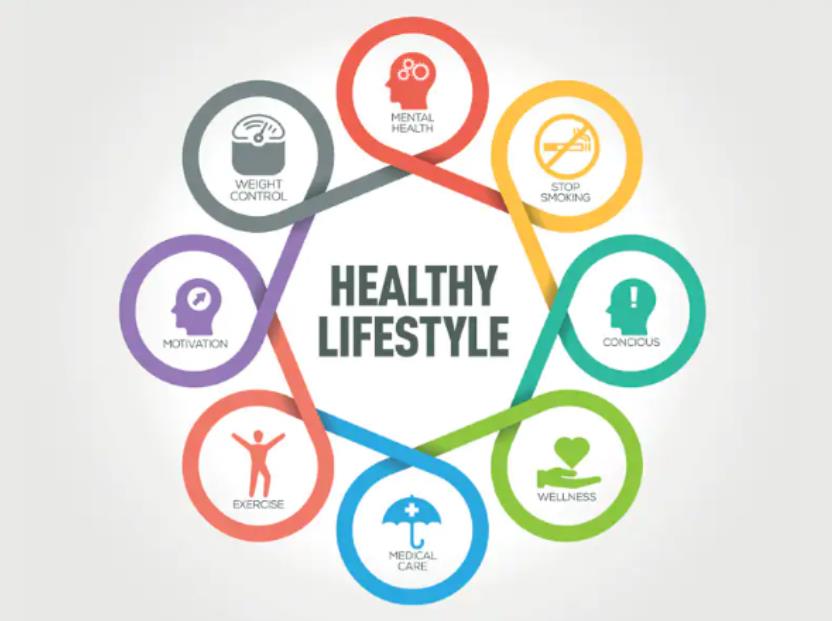
Tips for Everyday Longevity
Simple lifestyle changes can significantly enhance your lifespan and quality of life.
Environmental Factors and Lifestyle Choices That Shape Longevity
As human lifespans continue to rise, understanding what truly influences how long and how well we live has never been more important. While genetics set the stage, mounting evidence shows that our environment and lifestyle play a decisive role in determining both lifespan and healthspan. From the air we breathe to the foods we eat, daily choices and surroundings profoundly shape the aging process. This article examines the key environmental and lifestyle factors that affect longevity and provides practical insights for living a longer, healthier life.
Environmental Factors That Influence Longevity
Air Quality
Clean air is vital for heart and lung health. Long-term exposure to pollutants like particulate matter (PM2.5), nitrogen dioxide, and ozone is linked to higher risks of chronic conditions such as heart disease, stroke, and lung cancer. Research shows that people living in areas with low air pollution enjoy longer, healthier lives. Strategies such as urban green spaces, improved city planning, and air filtration systems can help reduce these risks.
Water Quality and Food Safety
Access to clean water and safe food is fundamental for long-term health. Harmful substances—like heavy metals, pesticides, and industrial chemicals—can accumulate over time, affecting organ function and raising the likelihood of chronic disease. Prioritizing purified water and minimally processed, chemical-free foods supports overall wellness and longevity.
Social Environment
Longevity isn’t just about physical surroundings—social factors are equally important. Strong relationships, supportive communities, and safe neighborhoods correlate with lower rates of depression, heart disease, and cognitive decline. Research in “Blue Zones,” regions known for high numbers of centenarians, shows that maintaining meaningful social connections is a hallmark of a long, healthy life.
Climate and Geography
The local climate can subtly influence longevity. Moderate, mild environments encourage outdoor activity, vitamin D synthesis, and overall well-being, whereas extreme temperatures or high environmental stress can exacerbate health issues, particularly in older adults.
Occupational Environment
Work conditions also play a significant role. High stress, long hours, or exposure to toxins and hazards can negatively impact long-term health. Policies that promote work-life balance, occupational safety, and mental well-being are essential for supporting a longer, healthier life.
Environmental Action Points
- Spend time in green spaces to reduce stress and improve air quality exposure.
- Use water filters and choose organic or low-chemical foods when possible.
- Engage in community activities to strengthen social bonds.
Lifestyle Choices That Support a Long and Healthy Life
Nutrition
A nutrient-rich, balanced diet is a cornerstone of longevity. Diets emphasizing vegetables, fruits, whole grains, lean proteins, and healthy fats—like the Mediterranean or traditional Okinawan diets—are associated with lower rates of chronic diseases and longer lifespans. Key guidelines include:
- Prioritizing plant-based foods
- Consuming healthy fats in moderation, such as olive oil and omega-3s
- Limiting processed foods, added sugars, and red meat
- Staying adequately hydrated and practicing mindful portion control
Physical Activity
Regular exercise benefits both body and mind. It strengthens the heart, improves metabolic health, supports muscle and bone integrity, and enhances mental well-being. Combining aerobic activities—such as walking, cycling, or swimming—with resistance training offers the greatest benefits. Even moderate daily movement, like taking the stairs or short walks, contributes significantly to longevity.
Sleep and Recovery
Quality sleep is essential for cellular repair, hormonal regulation, and cognitive performance. Adults who consistently achieve 7–9 hours of restorative sleep experience lower risks of obesity, diabetes, heart disease, and premature mortality. Maintaining a consistent sleep schedule and limiting screen exposure before bedtime are simple yet powerful strategies for better rest.
Stress Management and Mental Health
Chronic stress accelerates aging through inflammation and hormonal disruption. Practices such as meditation, mindfulness, deep breathing, and engaging in hobbies can help manage stress. Strong social connections and active participation in community life further enhance resilience and promote mental well-being.
Avoiding Harmful Substances
Tobacco use and excessive alcohol consumption are among the most significant threats to long-term health. Smoking greatly increases the risk of premature death, while heavy drinking can harm the liver, heart, and other organs. Reducing or eliminating these substances is one of the most effective steps toward a longer, healthier life.
Lifestyle Tips for Longevity
Incorporate daily movement, maintain a balanced diet, prioritize sleep, and manage stress for long-term health.
The Synergy Between Environment and Lifestyle
While individual factors like diet, exercise, or clean air each influence longevity, it is the interaction between environment and lifestyle that truly shapes how long and how well we live. A healthy environment can encourage beneficial habits, while positive lifestyle choices can buffer against some environmental risks. For instance, urban designs that prioritize walkable streets, access to fresh foods, and abundant green spaces illustrate how thoughtful planning and personal habits work together to support longer, healthier lives.
Scientific Insights
Research consistently shows that communities and individuals who combine healthy environments with supportive lifestyles enjoy remarkable longevity. The Blue Zones Project identified regions around the world where people routinely reach 100 years or more, emphasizing the importance of nutritious diets, regular physical activity, strong social ties, and a sense of purpose.
Long-term studies further reveal that individuals practicing multiple healthy behaviors—such as balanced nutrition, regular exercise, sufficient sleep, and stress management—can live up to 10 years longer than those with poor lifestyle habits, regardless of genetic background.
Institutions like the World Health Organization and the National Institutes of Health reinforce these findings, highlighting that preventive lifestyle interventions not only reduce the risk of chronic diseases but also extend healthspan—the period of life spent in good health.
Quick Longevity Checklist
- Eat plenty of vegetables, fruits, and whole grains.
- Engage in daily physical activity.
- Get 7–9 hours of sleep nightly.
- Maintain meaningful social connections.
- Manage stress through mindfulness or hobbies.
- Avoid smoking and limit alcohol consumption.
Practical Steps to Support Longevity
- Choose nutrient-dense foods: Emphasize fresh vegetables, fruits, whole grains, lean proteins, and healthy fats, while limiting processed foods and added sugars.
- Stay physically active: Incorporate regular movement into your day, even simple activities like walking, stretching, or taking the stairs.
- Prioritize quality sleep: Aim for 7–9 hours per night and maintain consistent sleep routines to support physical and cognitive health.
- Cultivate strong social connections: Engage with supportive friends, family, and community networks to enhance emotional well-being.
- Manage stress effectively: Dedicate time to mindfulness, meditation, yoga, or creative hobbies that help you relax and recharge.
- Minimize environmental risks: Reduce exposure to pollutants, toxins, and harmful substances whenever possible.
Longevity is shaped by both uncontrollable factors, like genetics, and controllable choices, such as lifestyle and environment. While we cannot alter our genetic blueprint, we can influence how long and how well we live by adopting healthy habits, fostering supportive social connections, and being mindful of our surroundings. The evidence is clear: living longer is important, but living better is the ultimate goal.


Leave a Reply