
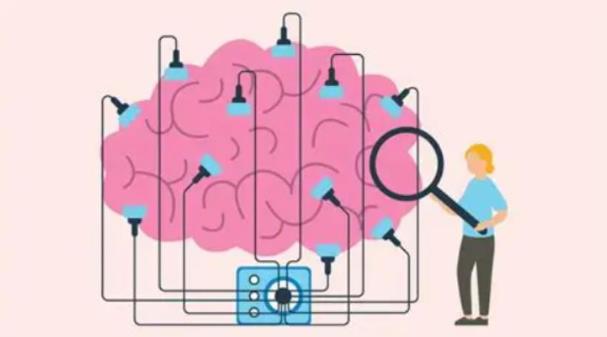
From the moment we are born, our brains are incredibly dynamic, continuously reshaping themselves in response to our environment, experiences, and learning. For centuries, scientists believed that the brain was largely fixed after childhood, with little capacity for change in adulthood. Yet decades of neuroscience research have upended this notion, revealing that the brain is far more adaptable than once imagined. This extraordinary capacity, known as neuroplasticity, enables the brain to reorganize itself, forge new neural connections, and even generate new neurons in response to learning, experience, or injury. Understanding neuroplasticity not only sheds light on how we learn and remember but also opens doors for rehabilitation, mental health improvement, and lifelong cognitive growth.
The Science of Neuroplasticity
Neuroplasticity refers to the brain’s ability to change both structurally and functionally. Structurally, it can alter the number, shape, and strength of neural connections. Functionally, it can reassign roles to different brain regions, compensating for damage or optimizing performance. Importantly, this adaptability is not limited to children—adults retain a remarkable capacity for neuroplasticity, supporting ongoing learning, adaptation, and recovery.
Central to neuroplasticity is synaptic plasticity, the strengthening or weakening of connections between neurons, which forms the basis of learning and memory. Two key processes—long-term potentiation (LTP) and long-term depression (LTD)—illustrate this principle. LTP strengthens synapses, like building a sturdier bridge between neurons, improving communication efficiency. LTD, on the other hand, weakens synapses, pruning unnecessary connections to refine neural networks.
Another fascinating aspect is neurogenesis, the creation of new neurons, primarily in the hippocampus—a region vital for memory and learning. Once thought impossible in adults, research now shows that even mature brains can produce new neurons under certain conditions, such as enriched environments, physical activity, and targeted cognitive exercises.
The brain also demonstrates functional reorganization. For example, after a stroke damages a specific area, neighboring regions can adapt to take over some of the lost functions. This incredible resilience highlights just how adaptable and resourceful the human brain truly is.
Neuroplasticity in Action
Practicing a new skill regularly strengthens neural connections. Even a few minutes daily can make a measurable difference in the brain.
Factors That Influence Neuroplasticity
The extent and efficiency of neuroplasticity are influenced by multiple factors. Learning methods play a critical role: repetitive practice, spaced learning, and progressive challenges enhance synaptic strengthening. For example, a person learning to play the piano or a new language benefits most when practice sessions are consistent, targeted, and progressively challenging.
Lifestyle factors also profoundly impact neuroplasticity. Adequate sleep is essential for memory consolidation and synaptic remodeling. Exercise, particularly cardiovascular and strength training, increases blood flow, promotes neurogenesis, and releases neurotrophic factors that support brain growth. Conversely, chronic stress impairs plasticity, reducing synaptic strength and inhibiting neuron formation.
Environmental stimulation further drives neural adaptation. Exposure to novel environments, complex tasks, and social interactions challenges the brain, prompting it to form new connections. Traveling to unfamiliar places, learning new skills, or engaging in social problem-solving can all enhance neural adaptability.
Boost Your Brain Plasticity
- Try learning a new language or instrument
- Exercise regularly, especially cardio & strength training
- Maintain 7–9 hours of sleep each night
- Challenge yourself with new environments and experiences
- Practice mindfulness or meditation daily
Real-World Applications and Case Studies
The principles of neuroplasticity have far-reaching implications in education, medicine, and mental health, offering practical strategies to harness the brain’s adaptability.
Education: Understanding neuroplasticity has transformed teaching methods. Approaches such as spaced repetition, multi-sensory learning, and active engagement take advantage of the brain’s ability to strengthen and rewire neural connections. Research shows that students who participate in varied and interactive learning experiences not only retain information longer but also develop stronger problem-solving and critical-thinking skills.
Rehabilitation Medicine: Neuroplasticity forms the foundation of therapies for stroke, traumatic brain injury, and other neurological disorders. Interventions like physical therapy, constraint-induced movement therapy, and cognitive exercises leverage the brain’s adaptive potential. For instance, patients who consistently practice impaired movements often regain significant motor function as neighboring brain regions compensate for damaged areas.
Mental Health: Neuroplasticity is central to interventions aimed at improving emotional well-being. Techniques such as cognitive-behavioral therapy (CBT), mindfulness, and meditation can physically reshape brain circuits involved in emotional regulation, anxiety, and depression. Brain imaging studies show increased thickness in the prefrontal cortex and enhanced connectivity in individuals practicing these interventions, resulting in measurable improvements in mood, cognitive control, and resilience.
By applying insights from neuroplasticity, educators, clinicians, and mental health professionals can design strategies that optimize learning, recovery, and overall cognitive and emotional health.
| Activity | Brain Change | Timeframe |
|---|---|---|
| Learning Piano | Increased motor cortex connectivity | 3–6 months |
| Mindfulness Meditation | Thicker prefrontal cortex & hippocampus | 8 weeks |
Cutting-Edge Research and Future Directions
Recent studies continue to uncover the remarkable potential of neuroplasticity. Techniques such as functional MRI (fMRI) and EEG reveal how learning new skills, cognitive training, and lifestyle changes can physically reshape the brain. A striking example comes from London taxi drivers, who must memorize the city’s intricate street network. Compared to non-drivers, they exhibit increased hippocampal volume, a clear demonstration of experience-driven brain plasticity.
Emerging research also highlights neuroplasticity’s role in cognitive aging and neurodegenerative diseases. Lifelong learning, regular physical activity, and rich social engagement appear to slow cognitive decline and may even reduce the risk of Alzheimer’s disease. Scientists are exploring experimental therapies aimed at enhancing neurotrophic factors and synaptic function, seeking to harness the brain’s adaptability for therapeutic purposes.
Embracing Lifelong Neuroplasticity
Neuroplasticity transforms our understanding of the human brain. Rather than a fixed organ with limited capacity, the brain is a dynamic system, capable of continuous growth and reorganization. This insight has profound implications: learning is not limited to childhood, recovery from brain injuries is possible, and mental well-being can be actively nurtured through targeted practices.
Practical ways to cultivate neuroplasticity include learning new skills, staying physically active, getting sufficient sleep, practicing mindfulness, and embracing novel experiences. Each of these activities strengthens neural connections and supports optimal cognitive function. In essence, by actively engaging with the world, we help sculpt our own brains over time.
Neuroplasticity is far more than a scientific concept—it is a testament to human potential. Whether recovering from injury, mastering a musical instrument, learning a new language, or simply enhancing mental resilience, the brain’s adaptability provides both hope and opportunity throughout life. It proves that the old saying “you can’t teach an old dog new tricks” is truly outdated—our brains remain capable of growth and transformation at any age.



Leave a Reply