

Aging is an inevitable part of life, but how we age is influenced by the choices we make every day. Among the most powerful tools for promoting longevity, maintaining cognitive function, and preserving overall health is nutrition. What we eat not only fuels our bodies but also shapes how gracefully we age. With a growing global population of older adults, understanding evidence-based nutritional strategies for healthy aging has never been more critical.
The Science of Aging and Nutrition
Aging brings natural changes in metabolism, muscle mass, bone density, and cognitive function. Chronic inflammation and oxidative stress are key contributors to age-related diseases such as cardiovascular disease, type 2 diabetes, and dementia. Nutrition plays a pivotal role in modulating these processes.
For instance, research from the Harvard T.H. Chan School of Public Health shows that diets rich in plant-based foods, healthy fats, and lean protein can reduce the risk of chronic diseases by supporting cellular repair and reducing inflammation. Celebrities and health experts like Dr. Rhonda Patrick have highlighted how nutrient-dense diets combined with lifestyle choices can delay biological aging, not just the appearance of aging.
Core Nutritional Principles for Healthy Aging
Antioxidant-Rich Foods
Antioxidants combat oxidative stress, which accelerates cellular aging. Incorporating berries, leafy greens, nuts, and dark chocolate can help protect cells from damage.
Adequate Protein Intake
Protein is essential for maintaining muscle mass and bone health. Older adults should aim for high-quality protein sources like fish, poultry, eggs, legumes, and dairy products.
Omega-3 Fatty Acids
These essential fats support brain health, reduce inflammation, and promote cardiovascular well-being. Fatty fish such as salmon, mackerel, and sardines are excellent sources.
Vitamins and Minerals
Critical nutrients include vitamin D, vitamin B12, calcium, and magnesium. These support bone health, neurological function, and energy metabolism.
Dietary Fiber
Fiber supports gut health, helps regulate blood sugar, and strengthens the immune system. Whole grains, vegetables, and fruits are ideal sou
Blueberries
Rich in antioxidants, support brain health.
Salmon
High in omega-3 fatty acids for heart and brain.
Spinach
Loaded with vitamins, minerals, and fiber.
Walnuts
Good source of healthy fats and antioxidants.
Special Dietary Patterns for Longevity
Mediterranean Diet
This diet emphasizes vegetables, fruits, whole grains, olive oil, and fish. Studies have linked it to reduced risks of cardiovascular disease, cognitive decline, and overall mortality.
Intermittent Fasting or Time-Restricted Eating
Emerging evidence suggests intermittent fasting may improve metabolic health, reduce inflammation, and support cellular repair. For older adults, it should be implemented gradually and under professional guidance.
Variety and Whole Foods
Eating a wide variety of whole foods ensures a spectrum of nutrients, supporting immune function and gut health.
| Day | Breakfast | Lunch | Dinner |
|---|---|---|---|
| Monday | Oatmeal with blueberries & walnuts | Grilled salmon salad | Quinoa & roasted vegetables |
| Tuesday | Greek yogurt with flax seeds | Chicken & spinach stir-fry | Lentil soup & whole grain bread |
Lifestyle Synergy: Nutrition Plus Daily Habits
Eating well is only one part of healthy aging. Physical activity, sleep, stress management, and social connections amplify the benefits of nutrition:
- Exercise: Strength training plus protein intake preserves muscle mass and bone density.
- Sleep: Adequate sleep supports cognitive health and hormonal balance.
- Stress Management: Meditation, hobbies, or nature exposure reduce chronic inflammation.
- Social Engagement: Maintaining meaningful relationships correlates with longevity.
Pro Tip:
Include at least one antioxidant-rich fruit or vegetable in every meal. Small, consistent choices compound over time to significantly improve long-term health outcomes.
Real-Life Examples and Evidence
Dr. Rhonda Patrick has long advocated for a nutrient-dense diet rich in vegetables, omega-3s, and micronutrients, showing through her research how such diets can delay age-related cognitive decline. Similarly, actor Keanu Reeves, despite a demanding lifestyle, reportedly focuses on whole foods and plant-based meals to maintain energy and resilience, demonstrating how consistent nutritional strategies support long-term health.
Practical Tips for Daily Life
- Plan Your Meals: Use the 7-day meal plan as a guide, adjusting based on personal preferences.
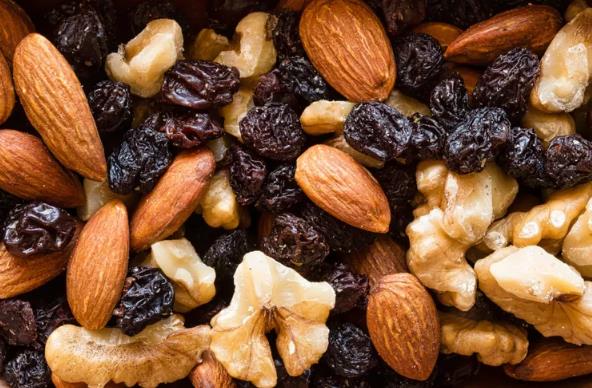
- Snack Smart: Nuts, fruit, and yogurt are excellent options.
- Stay Hydrated: Water supports digestion, metabolism, and skin health.
- Moderate Alcohol and Sugar: Excess accelerates inflammation and aging processes.
Keanu Reeves’ Approach
Focuses on plant-based meals, balanced protein intake, and consistent exercise to maintain vitality and resilience.
Healthy aging is a combination of science, consistency, and lifestyle choices. Nutrition is a cornerstone, but it works best when integrated with exercise, sleep, and mental well-being. By focusing on nutrient-dense foods, balanced diets, and practical daily strategies, aging gracefully is not just possible—it can be enjoyable, flavorful, and empowering.


Leave a Reply