
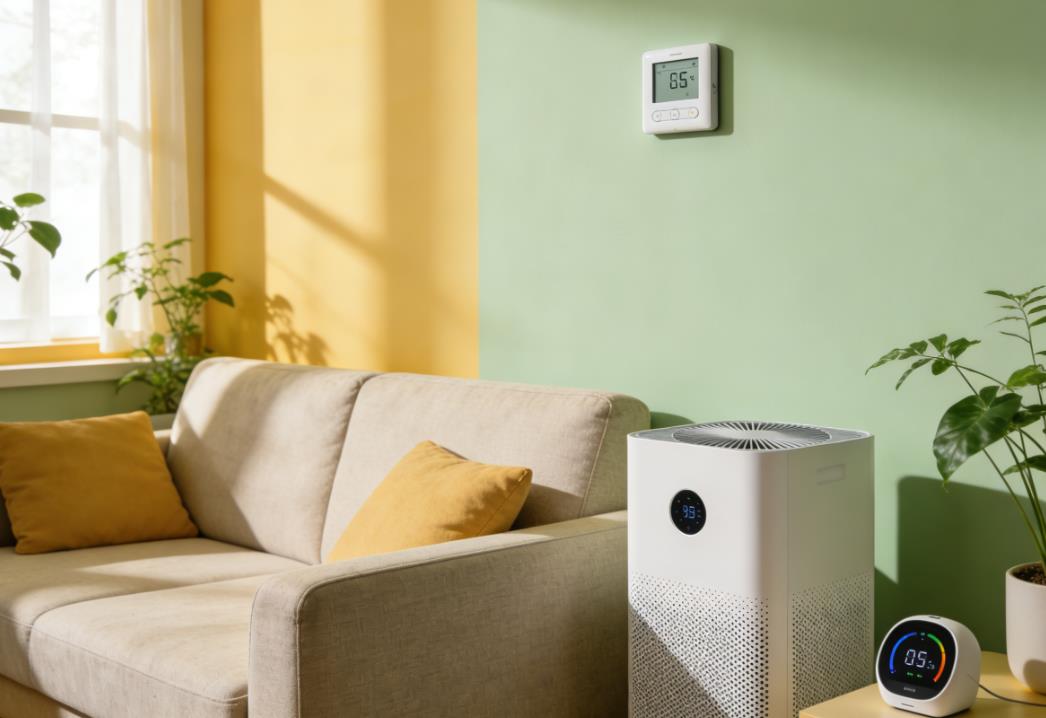
In recent years, awareness of the importance of maintaining optimal health has grown significantly. While regular exercise and a balanced diet remain foundational, another factor increasingly recognized for its impact on well-being is the home environment. The spaces we inhabit play a crucial role in shaping both physical and mental health. From furniture to appliances, every element in your home can contribute to a healthier lifestyle. This article explores how integrating health-conscious choices into home design and appliance selection can enhance sleep quality, boost productivity, improve physical health, and support mental well-being.
Designing a Health-Focused Home: Furniture and Appliance Considerations
When planning a healthy living space, attention to furniture and appliances is critical. The materials we bring into our homes and the design of our furnishings influence our daily comfort and long-term health. From indoor air quality to ergonomics, these choices can have subtle yet significant effects on our overall well-being.
Indoor Air Quality and Material Selection
One of the most important aspects of a healthy home is indoor air quality. Polluted indoor air has been linked to allergies, respiratory issues, and chronic conditions such as asthma. Many common furniture materials, including particleboard, plywood, and certain synthetic textiles, emit volatile organic compounds (VOCs) like formaldehyde. Long-term exposure can irritate the respiratory system and contribute to serious health concerns.
To mitigate these risks, investing in low-VOC or VOC-free furniture is essential. Solid wood furniture, for example, naturally emits fewer harmful chemicals, creating a cleaner indoor environment. Additionally, air purifiers with HEPA filtration are now considered essential for maintaining high indoor air quality. By removing dust, allergens, and airborne pollutants, these devices can significantly reduce respiratory risks and improve overall home wellness.
Ergonomics and Comfort
The ergonomics of home furniture directly affect posture, musculoskeletal health, and overall physical well-being. Poorly designed chairs, desks, or beds can contribute to chronic back pain, neck strain, and discomfort.
Ergonomic furniture, such as chairs with lumbar support and height-adjustable desks, promotes proper posture and reduces the negative effects of prolonged sitting. Standing desks and flexible workstations encourage movement throughout the day, improving circulation and supporting spinal health. Meanwhile, high-quality mattresses and pillows—especially memory foam models—provide essential support for the spine, reducing pressure points and promoting restorative sleep.
Integrating Natural Elements
Incorporating natural elements into home design has been proven to reduce stress and enhance mental health. Indoor plants, wooden furniture, and natural textiles create calming environments that support emotional well-being. Plants such as snake plants, peace lilies, and succulents not only purify the air but also contribute to a sense of tranquility. Similarly, wooden furniture and sustainably sourced materials enhance aesthetics while promoting a serene and eco-conscious living space.
Psychological Benefits of a Health-Conscious Home
Beyond physical health, home design significantly influences mental and emotional well-being. Thoughtful design can elevate mood, foster creativity, and reduce stress.
Color Psychology
The colors used in a home can influence both mood and physiological responses. Calming tones such as blues and greens are ideal for bedrooms and living areas, promoting relaxation and reducing anxiety. Vibrant colors like red and yellow can energize spaces such as kitchens or home gyms but should be used in moderation to avoid overstimulation. Incorporating these colors through walls, furniture, and decor can enhance the emotional quality of a living space.
Lighting and Circadian Health
Natural light plays a key role in regulating circadian rhythms and boosting mental health. Maximizing sunlight exposure with large windows, skylights, and reflective surfaces can elevate energy levels and improve mood. In the evening, adjustable lighting systems that mimic natural light cycles support relaxation and improve sleep quality. Smart lighting solutions provide additional convenience, allowing homeowners to maintain balanced, health-focused environments throughout the day.
Sustainable Appliances for Health and Environment
Modern home appliances influence both personal health and environmental sustainability. Eco-friendly, energy-efficient appliances reduce exposure to harmful chemicals while lowering household energy consumption and water usage.
Energy-Efficient and Smart Appliances
Energy-saving appliances, such as refrigerators, washing machines, and air conditioners, reduce carbon footprints and electricity costs. Products with the Energy Star label ensure optimal efficiency while minimizing the release of harmful substances like refrigerants. Smart appliances further enhance convenience and safety by automating routine tasks, reducing physical strain, and supporting healthier daily routines.
Water-Saving Technology
Water-efficient appliances, including low-flow showerheads, toilets, and washing machines, conserve water without compromising performance. These technologies support environmental sustainability and contribute to a cleaner, healthier home.
Age-Friendly Design and Appliances
As populations age, designing homes that accommodate all life stages is increasingly important. Senior-friendly furniture, non-slip surfaces, and adjustable seating support mobility and safety. Smart appliances, such as automated thermostats and voice-activated systems, enable older adults to live independently while reducing physical strain and improving comfort.
Health at the Heart of Home Design
A home designed with health in mind promotes both physical and mental well-being. By choosing low-VOC materials, ergonomic furniture, energy-efficient appliances, and sustainable solutions, homeowners can create an environment that supports restorative sleep, reduces stress, and fosters overall wellness. As more people spend time at home, integrating health-conscious choices into home design has become not just a lifestyle preference, but a critical investment in long-term health.



Leave a Reply