
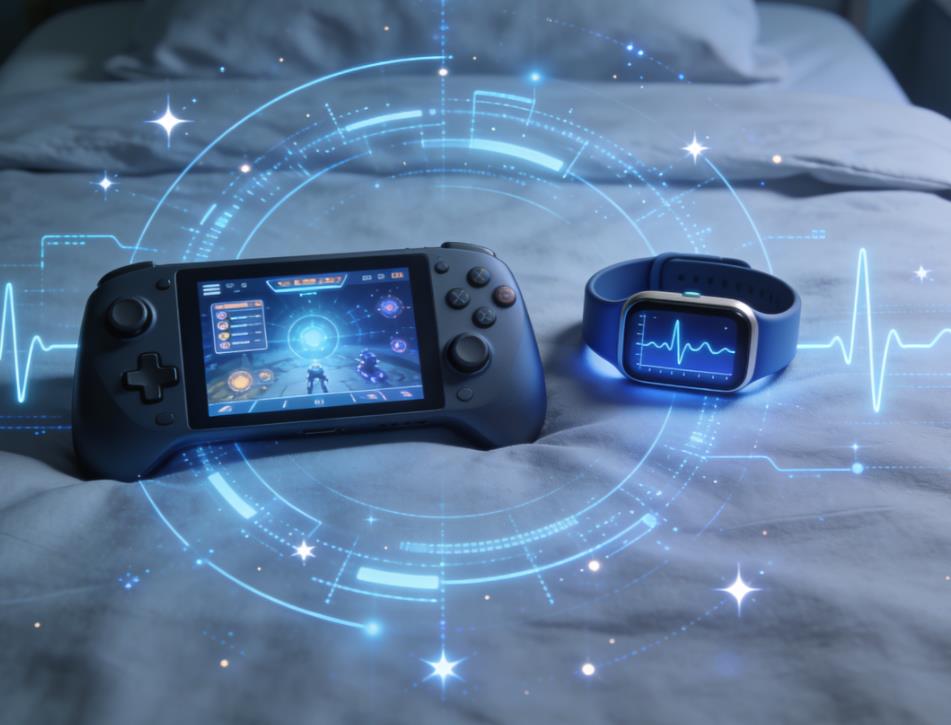
In contemporary Western societies, video gaming has transitioned from niche hobby to mainstream entertainment. Today, millions of adolescents and adults engage in video games daily, with a significant portion of play occurring during evening and nighttime hours. While digital entertainment offers cognitive stimulation, social connectivity, and stress relief, its intersection with sleep health has raised critical concerns among clinicians, researchers, and public health policymakers.
This article provides a comprehensive, science-based analysis of how video gaming affects sleep quality. We examine underlying mechanisms—such as blue light exposure, cognitive arousal, and circadian rhythm disruption—and synthesize evidence from sleep medicine and behavioral research. We also propose evidence-informed strategies for mitigating negative effects and promoting healthier sleep patterns among gamers.
Understanding Normal Sleep Physiology
To appreciate how gaming impacts sleep, it’s necessary to briefly review sleep regulation:
Circadian Rhythm and Sleep–Wake Cycle
Sleep is regulated by the circadian rhythm, an internal biological clock synchronized to the 24-hour day. The suprachiasmatic nucleus (SCN) in the brain controls hormonal cycles (like melatonin secretion), body temperature, and alertness. Light exposure—especially short-wavelength blue light—is the strongest cue for circadian timing.
Key terms:
- Circadian rhythm
- Melatonin suppression
- Sleep homeostasis
Sleep Architecture: Stages and Restorative Functions
Sleep is divided into Non-Rapid Eye Movement (NREM) and Rapid Eye Movement (REM) phases. Deep NREM sleep is crucial for physical restoration, memory consolidation occurs in REM, and both contribute to cognitive functioning. Disturbances in sleep architecture can lead to sleep fragmentation, lowered cognitive performance, and mood instability.
Gaming and Sleep Quality: Mechanistic Insights
Emerging research reveals multiple pathways through which video gaming can influence sleep:
Blue Light Exposure from Screens
Electronic displays emit high-intensity blue light (400–490 nm), which significantly suppresses melatonin—a hormone that facilitates sleep onset. Exposure in the evening can shift circadian timing and delay sleep initiation.
Industry relevance:
- Blue light blocking glasses
- Screen filters and display dimming software (night mode)
Physiological and Cognitive Arousal
Video games—especially competitive games with high stakes, fast-paced action, or intense narratives—stimulate the sympathetic nervous system. Increased heart rate, adrenaline release, and cognitive engagement can elevate arousal and delay the natural wind-down process required for sleep.
Related concepts:
- Sleep latency (time to fall asleep)
- Cognitive hyperarousal
Reward and Dopaminergic Pathways
Playing games activates the brain’s reward circuitry, particularly dopaminergic pathways. This neurochemical engagement enhances motivation and pleasure but can inadvertently delay bedtime due to ‘one more level’ phenomena, especially in vulnerable individuals.
Clinical concern:
- Gaming addiction and impulse control
Behavioral and Environmental Factors
Habitual gaming late into the night replaces time that could otherwise be spent resting, reducing total sleep time and leading to chronic sleep debt.
Research Evidence: Gaming’s Impact on Sleep Outcomes
Observational Studies
Multiple population-based studies indicate an association between late-night gaming and poorer sleep quality. Young adults and adolescents who report high gaming volumes after 9 PM tend to have:
- Longer sleep latency
- Lower sleep efficiency
- Shorter total sleep duration
For example, an epidemiological survey found that gamers averaging over 3 hours of evening gaming were significantly more likely to report daytime sleepiness and difficulty waking up on school/workdays.
Experimental Sleep Laboratory Findings
Controlled experiments demonstrate that exposure to video game screens before bedtime increases physiological arousal and alters objective sleep metrics measured via polysomnography. Key findings include:
- Reduced slow wave sleep
- Delayed onset of REM sleep
- Lower sleep efficiency
These effects are more pronounced with stimulating game genres (e.g., action or puzzles) versus passive activities (e.g., reading).
Gaming Addiction and Sleep Disturbance
Research into gaming disorder—recognized by the World Health Organization—indicates that compulsive gaming behavior often co-occurs with profound sleep disruption. Individuals may sacrifice nightly rest to satisfy gaming urges, leading to chronic insomnia and impaired daytime functioning.
Demographic Considerations
Adolescents and Youth
Adolescents are especially vulnerable due to:
- Ongoing brain maturation
- High prevalence of evening gaming
- Social pressures to remain online
Sleep deprivation in this age group correlates with poor academic performance, mood disturbances, and metabolic dysregulation.
Adults and Shift Workers
In adults, excessive night gaming compounds pre-existing sleep challenges, particularly in shift workers whose circadian rhythms are already misaligned.
Gender and Gaming Preferences
Emerging data suggests differential effects by gender and gaming genre preferences, requiring further research to elucidate tailored intervention strategies.
Health Consequences of Poor Sleep in Gamers
Persistent sleep disruption is not merely an inconvenience—it has documented health implications:
Cognitive Impairment
Sleep loss degrades attention, memory consolidation, and executive function—counterproductive for gamers and non-gamers alike.
Emotional Dysregulation
Insufficient sleep heightens anxiety, irritability, and risk for mood disorders.
Metabolic Dysfunctions
Chronic sleep insufficiency is linked to altered glucose metabolism and increased risk for obesity and diabetes.
Cardiovascular Risks
Sleep disturbances exacerbate inflammation and are associated with hypertension and cardiovascular disease.
Strategies for Improving Sleep Quality Among Gamers
The following interventions are rooted in sleep hygiene principles and tailored to the context of video gaming.
Establish Consistent Sleep–Wake Schedules
Maintaining regular bedtime and wake-up times reinforces circadian stability. Deliberately design gaming schedules that avoid the 60–90 minutes preceding intended sleep time.
Implement Screen Time Curfews
Cutting gaming sessions at least 1–2 hours before bed limits blue light exposure and allows physiological de-arousal.
Tip: Use gaming platforms’ parental control features or alarms to enforce limits.
Leverage Blue Light Mitigation
Adopt blue light reduction strategies when evening gaming cannot be avoided:
- Night mode or warm display settings
- Blue light blocking glasses
- Screen filters
Optimize Bedroom Environment
Treat the bedroom as a sleep sanctuary:
- Cool temperature
- Minimal light
- Comfortable bedding
- No gaming consoles near the bed
Engage in Pre-Sleep Relaxation Activities
Replace screen time with:
- Reading (paper or e-ink displays)
- Breathing exercises
- Light stretching or meditation
These activities reduce cognitive hyperarousal.
Monitor and Adjust Caffeine Intake
Avoid caffeine in the late afternoon and evening. Energy drinks often consumed by gamers can linger in the system and impede sleep onset.
Prioritize Daytime Physical Activity
Regular exercise promotes sleep drive but should be completed at least 3 hours before bedtime.
Address Underlying Sleep Disorders
Persistent sleep issues warrant evaluation for conditions like insomnia or delayed sleep–wake phase disorder.
Behavioral Interventions and Digital Health Tools
Cognitive Behavioral Therapy for Insomnia (CBT‑I)
CBT-I is the gold-standard non-pharmacological treatment for chronic insomnia and can be adapted for gamers struggling with bedtime resistance.
Sleep Tracking and Digital Feedback
Wearables and sleep apps can provide personalized insights, but users should focus on trends rather than obsessing over nightly variations.
Gamified Sleep Apps
Interestingly, some apps incorporate gamification to foster better sleep habits, turning sleep hygiene tasks into positive reinforcement loops.
Industry and Policy Perspectives
Console and Platform-Level Initiatives
Gaming companies can support sleep health by:
- Including built-in reminders for breaks and bedtime
- Offering customizable evening display settings
- Educating users about healthy gaming practices
Parental Controls and Youth Recommendations
Health authorities increasingly recommend limits on screen time for children and adolescents, particularly in the evening hours.
Future Directions in Research
Despite growing evidence, research gaps remain:
- Longitudinal studies to determine causal pathways between gaming and sleep quality
- Exploration of differential effects across game genres
- Identification of protective factors that mitigate sleep impact
- Development of interventions integrated within gaming ecosystems
Video gaming is an integral part of contemporary lifestyle and culture. While it offers cognitive, social, and entertainment value, its intersection with sleep physiology presents genuine health concerns—especially in Western populations where gaming prevalence is high.
Scientific evidence underscores that gaming—particularly when conducted in evening and nighttime hours—can disrupt circadian rhythms, elevate physiological arousal, and fragment sleep architecture. These effects, compounded over time, contribute to a spectrum of adverse outcomes including cognitive impairment, mood disturbance, metabolic dysregulation, and general decline in daytime functioning.
However, the relationship between gaming and sleep is not unidimensional or unavoidable. With informed strategies—such as screen curfews, environmental optimization, blue light mitigation, and behavioral interventions—gamers can preserve both their passion and their sleep health. Integrating these approaches with personal awareness and, where needed, professional guidance will enable healthier gaming behaviors without sacrificing sleep quality.



Leave a Reply