
When natural disasters strike or conflicts erupt across the globe, the human cost is unimaginable, yet often distant to those of us living far from the frontline. Modern media allows us to witness these crises through news reports or documentaries, but there is a unique power in interactive experiences that place us in the midst of chaos, forcing difficult decisions under pressure and showing us the fragility of human survival. Video games, once dismissed as mere entertainment, have evolved to offer profound simulations of humanitarian crises, blending narrative, strategy, and moral complexity to create experiences that are both gripping and illuminating. Among the titles that stand out in this genre, several games have earned recognition for the way they capture the essence of survival in situations that mirror real-world crises, allowing players to confront ethical dilemmas, resource scarcity, and the consequences of their choices in an immersive environment.
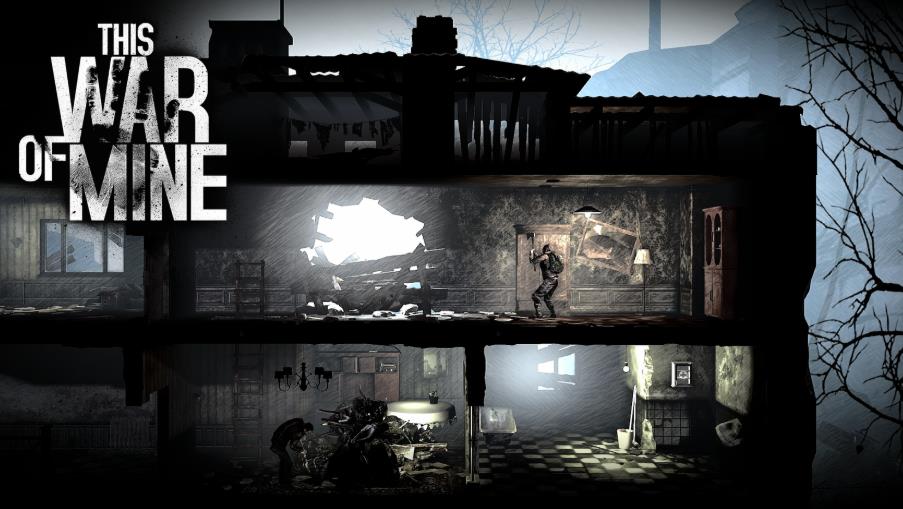
One of the most striking examples is This War of Mine, a game that shifts the traditional perspective of war from soldiers to civilians trapped in conflict zones. Set in a fictional city under siege, the player manages a group of survivors struggling to stay alive amidst hunger, disease, and constant threat from hostile forces. The brilliance of the game lies in its relentless moral pressure. Decisions are rarely clear-cut: should a player risk scavenging in enemy territory for food, potentially endangering their group, or conserve their resources at the cost of slow starvation? Every choice carries weight, forcing players to experience the emotional toll and ethical ambiguity that civilians face in real wars. Through this lens, the game transcends its digital boundaries, fostering empathy and a deeper understanding of the human suffering behind news headlines. The immersive quality and emotional intensity of This War of Mine have made it a natural match for advertisers in the humanitarian sector, as the audience drawn to such content is likely to respond to messages about real-world crises and global aid initiatives.
Similarly, Papers, Please explores ethical dilemmas in a different context, placing the player in the role of an immigration inspector in a fictional authoritarian state. Tasked with processing travelers’ documents, the player navigates bureaucratic rules while balancing moral choices, such as deciding whether to turn away refugees at personal risk or accept bribes to save lives. The game simulates the tension between law and conscience, illustrating how systemic pressures and personal ethics collide in scenarios that resonate with real-world issues of migration and human rights. Through careful design, Papers, Please turns what might appear as a simple administrative task into a meditation on responsibility, consequence, and empathy, making players confront the very dilemmas faced by individuals in humanitarian organizations operating under restrictive systems.
Beyond war and migration, simulation games offer insight into global health crises and disaster response. Plague Inc: Evolved, though centered on the spread of pathogens, introduces players to the dynamics of disease transmission, epidemiology, and the societal impact of pandemics. While the premise allows for the exploration of global catastrophe in a fictionalized sense, the underlying mechanics teach players about the critical decisions that health authorities face: balancing containment strategies, allocating limited resources, and responding to an unpredictable spread. The game fosters awareness of public health infrastructure and challenges, subtly encouraging an appreciation for the work performed by medical professionals and humanitarian organizations in real-world epidemics.
In the sphere of medical and emergency response simulations, titles such as Project Hospital and 911 Operator immerse players in high-stakes decision-making environments where lives hang in the balance. Managing a hospital or emergency dispatch center, players allocate staff, resources, and treatment under intense time pressure. Each choice—from prioritizing critical patients to responding to incoming emergencies—mirrors the logistical and ethical considerations faced by real-world responders. These games, while interactive and engaging, provide a unique vantage point into the complexity and urgency of medical crisis management, highlighting the importance of skill, empathy, and rapid assessment, qualities that are foundational to humanitarian aid organizations across the globe.
The convergence of gaming and humanitarian themes is not merely educational; it also fosters a heightened sense of social consciousness among players. By simulating crises, games like these provide a visceral understanding of situations that are otherwise abstract or distant. Players experience firsthand the emotional and logistical burdens faced by those living through conflicts, epidemics, and natural disasters, cultivating empathy that can translate into real-world awareness or action. The narrative and strategic depth of these games ensures that players are not passive observers; they are active participants, accountable for the outcomes of their decisions, and confronted with the moral weight of their choices in a manner that traditional media cannot replicate.
From an advertising perspective, content that engages deeply with humanitarian crises tends to attract higher-value campaigns. Audiences drawn to these games are often attentive, socially conscious, and potentially high-income, traits that align well with non-profit organizations and humanitarian initiatives seeking engagement. Advertisers like Doctors Without Borders recognize the value in reaching users who are not only likely to engage meaningfully with content but also possess the empathy and capacity to support charitable actions. By intertwining thoughtful game analysis with the exploration of global crises, content creators can achieve a dual purpose: providing compelling, immersive entertainment while maximizing the relevance and effectiveness of high CPM advertising opportunities.
Ultimately, games that simulate humanitarian crises achieve more than entertainment; they offer an experiential window into the hardships faced by people around the world. Titles such as This War of Mine, Papers, Please, Plague Inc: Evolved, and various medical simulations provide players with opportunities to explore ethical complexity, resource management, and the human consequences of large-scale disasters. These experiences not only cultivate understanding and empathy but also demonstrate the potential of interactive media to illuminate social issues in ways that resonate emotionally and intellectually. For players, the journey is both challenging and enlightening, demanding reflection on the nature of survival, responsibility, and moral choice. For content creators and publishers, it represents a chance to produce rich, engaging material that aligns naturally with high-value advertising and socially conscious campaigns, bridging the worlds of digital entertainment and global awareness.



Leave a Reply